China securities regulator ordered cross-border swap curbs, sources say
China’s TRS exposure is about 500 billion yuan (S$95.1 billion), mostly in overseas equities

[HONG KONG/SHANGHAI] New measures this week to restrict mainland investors from using derivatives as a back-door to access global markets were ordered by China’s securities regulator, people familiar with the matter said, signalling tightening controls on overseas investing.
The China Securities Regulatory Commission told brokers to stop offering clients new foreign exposures via total return swaps (TRS) at the start of the week, said two people familiar with the request.
The move followed Beijing’s crackdown in late May on “illegal” cross-border stock trading facilitated by online brokers such as Tiger and Futu. It also comes as booming markets in places like the US and South Korea become more volatile.
The CSRC did not respond to Reuters’ faxed questions.
One of the people said the intent of the move was to curb outbound investment and control risks, given how far foreign markets - and especially AI-related assets - have rallied. The other said that the regulator didn’t spell out its thinking.
Both requested anonymity due to the sensitivity of the topic. China’s TRS exposure is about 500 billion yuan (S$95.1 billion), mostly in overseas equities, according to the estimate of a senior brokerage executive.
The restriction means most of the outstanding swaps cannot be rolled over at expiry, the executive said, adding it would most affect Chinese private funds who use the swaps to run exposures of 30 per cent or more to Hong Kong and US stocks.
There are about 10 brokers in China licensed to conduct TRS business. They include China International Capital Corp (CICC), Citic Securities and China Galaxy Securities.
“Southbound TRS demand has been growing fast ... to gain exposure to overseas AI and tech names,” said Morgan Stanley analysts in a note.

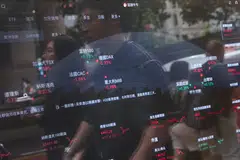

“We think part of the reason for the halt may be that CSRC is trying to manage the increased risk exposure as overseas equity markets are getting more volatile.”
Clients at several brokers were notified on Tuesday evening that they could no longer add new overseas investment exposure through TRS contracts, Reuters reported this week, a product that offers exposure to moves in foreign asset prices.
Cheng Hehong, CSRC’s chief lawyer, told a forum this month that China should improve regulations for cross-border investment and trading, according to state media. REUTERS
Decoding Asia newsletter: your guide to navigating Asia in a new global order. Sign up here to get Decoding Asia newsletter. Delivered to your inbox. Free.
Share with us your feedback on BT's products and services