

HSBC CEO says AI will destroy and create new jobs, urges staff to embrace change
The lender cites AI as a driver for slimming down its operations to increase profitability
 Add BT as a preferred source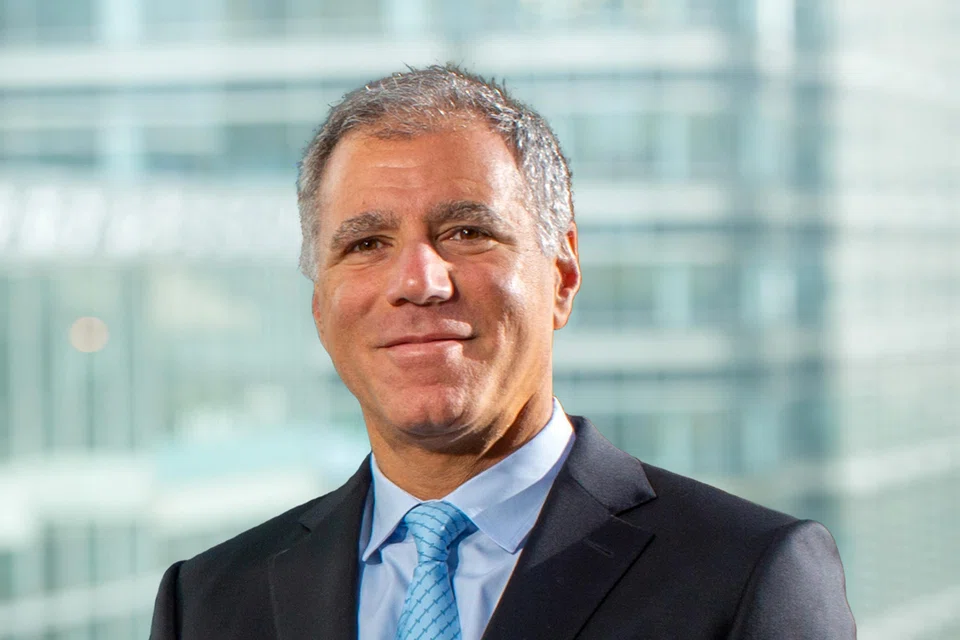
[HONG KONG] HSBC chief executive Georges Elhedery said on Wednesday (May 20) AI would destroy and create certain jobs in the financial industry, and the bank was focussed on retraining its workforce.
Elhedery told an HSBC investor day event that staff needed to embrace AI-driven change rather than resist it and work with the bank on navigating the new technology. “We all know generative AI will destroy certain jobs and will create new jobs,” Elhedery said.
“But my initial mission is I need 200,000 colleagues with us on this journey. However many will be left at the end of the journey isn’t the problem.
“The problem is how can we make sure that those 200,000 colleagues have been given all the capabilities, the training, the tools to make themselves future ready, be more productive versions of themselves.”
Elhedery said HSBC staff needed to ensure they were “not fighting us, not disenfranchised, not anxious, overwhelmed, and resisting the change”.
Standard Chartered said on Tuesday it would eliminate more than 7,000 jobs over the next four years as it seeks to replace “lower-value human capital” with technology.
SEE ALSO






Navigate Asia in
a new global order
Get the insights delivered to your inbox.
The London-headquartered lender cited AI as a driver to slim down its operations to increase profitability and tackle competition. REUTERS
Decoding Asia newsletter: your guide to navigating Asia in a new global order. Sign up here to get Decoding Asia newsletter. Delivered to your inbox. Free.
Share with us your feedback on BT's products and services
TRENDING NOW

‘Even a CEO’s job can be replaced by AI’: DBS CEO Tan Su Shan bets big on agentic AI
Xi Jinping has just rewritten the rules of US-China rivalry
Quantify, be ambitious: Time for CDL, UOL to unveil plans to further boost share price

Singapore developer in limbo after Timor-Leste scraps major township project

