

Iran conflict, disaster risks could drive inflation pressures in Singapore, Asia: Swiss Re global CEO
Driven by recent uncertainties, Swiss Re has established a task force to monitor geopolitical hotspots

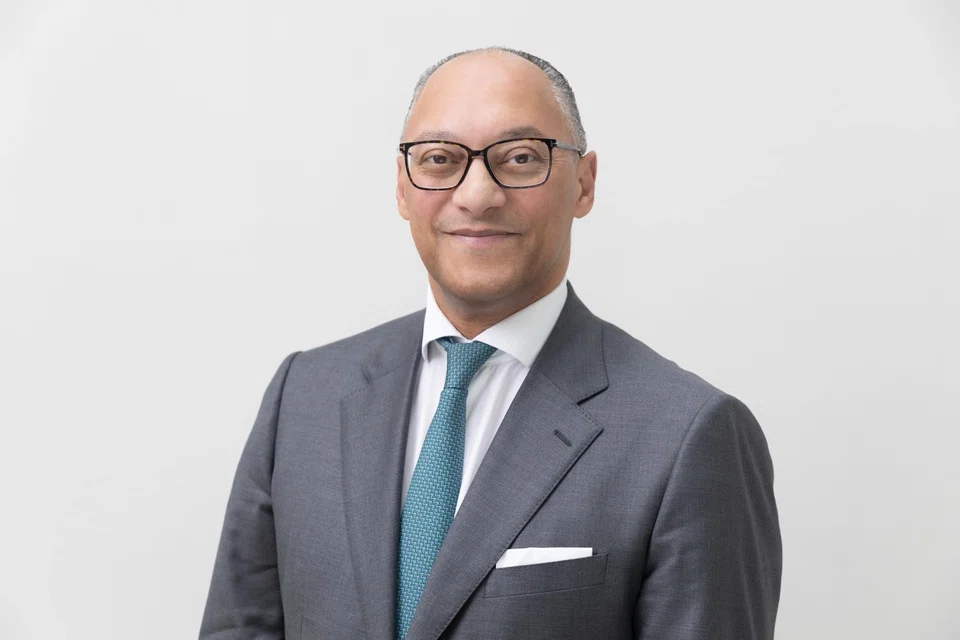
[SINGAPORE] A prolonged disruption in the Strait of Hormuz could drive up inflation and energy costs across Asia as geopolitical tensions add to mounting risks from natural disasters, cautioned Andreas Berger, group CEO at global reinsurer Swiss Re.
About a fourth of the world’s seaborne oil trade passes through the strait, with about 80 per cent heading to Asia, making it a critical “pressure point”, he said in an interview with The Business Times.
“We need to expect a prolonged period of impact, in particular on inflation and energy costs,” he said.
Beyond shipping routes and cargo, the Iran conflict could also spill over into healthcare systems. Rising costs may lead to delays in health checks or critical treatments, potentially having longer-term consequences for life and health insurers.
Swiss Re, the world’s second-largest reinsurance group, anticipates and manages risk in various areas, including natural catastrophes, ageing populations, cybercrime and geopolitical tensions.
Reinsurance is the practice of insurers transferring part of their risk exposure to another party to limit potential losses.
“Our business is to manage volatility, so we sit down and look at all macro indicators and feed them into our scenarios,” said Berger, who took the helm at Swiss Re in July 2024. He joined the company – which is headquartered in Zurich, Switzerland, and listed on the SIX Swiss Exchange – in March 2019 as CEO of corporate solutions.
The Asia-Pacific region represents around 17 per cent of the reinsurer’s overall portfolio, with Singapore serving as a key regional hub.
Strategic patience
Driven by the uncertainty surrounding inflation and tariffs, Swiss Re recently established a task force to monitor geopolitical hotspots and assess their impact on its risk models.
SEE ALSO
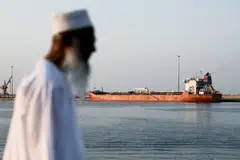

One such hotspot is the Strait of Hormuz, which has direct consequences on energy costs. The fluctuations in oil prices, often triggered by any action or announcement regarding the strait, are a key concern.
While Swiss Re does not have direct exposure in Iran due to sanctions, Berger noted that the indirect impact is clearly visible.
For instance, the Gulf states, where Swiss Re holds some exposure – particularly in infrastructure projects it reinsures or insures – are affected.
Berger warned that a prolonged conflict could lead to more significant and sustained disruptions, which Swiss Re is carefully monitoring.
“Inflation is the key topic for most of the world – but there is also a potential spillover into capital markets,” he said, adding that it is an area his firm is observing carefully.
In response to this volatility, Swiss Re is taking an approach rooted in “strategic patience” and focusing on what is relevant. It is staying alert to protect its balance sheet and customers.
“We have always been living in a world with volatility, (but) our business model is based on global diversification,” said Berger.
Unlike local insurers, who are more vulnerable because they are focused on one region, Swiss Re’s diversification with exposures across the world allows it to spread risk across multiple regions.
Natural catastrophes
Natural catastrophes or disasters have emerged as a growing risk both globally and regionally – an area that Swiss Re watches out for.
Based on recent estimates published by the reinsurer, insured losses from natural catastrophes are expected to reach around US$148 billion this year. In a severe scenario, losses could rise to as high as US$320 billion, up from US$107 billion in claims last year.
“You have to face that those exposures exist, but there’s more that can be done than people think,” said Berger.
He believes that a public-private partnership model can be established. This can unite governments, the reinsurance industry and insurers to address risks that are too large for any single entity to manage alone.
Swiss Re has observed a 5 to 7 per cent annual rise in natural catastrophe claims, with the US$100 billion threshold exceeded for six consecutive years from 2020 to 2025.
The issue, said Berger, is not just the primary perils such as earthquakes, but the secondary perils such as cyclones, floods and wildfires that cause the majority of damage.
In fact, more than 90 per cent of all losses in 2025 were attributed to these secondary perils, significantly affecting markets in Asia – including Singapore.
While Singapore itself is less exposed to natural catastrophes, with flooding being the primary risk and heat now emerging as a major concern, it remains highly connected to regional risks.
Berger acknowledged that this interconnectedness is a longstanding reality, and stressed that Singapore can play a key role in raising awareness.
Events such as haze from forest fires in Indonesia affecting Singapore’s air quality, for example, illustrate how environmental and climate-related risks can have cross-border impacts.
“This is (best suited for) an intergovernmental discussion and dialogue, and Singapore has a lot of tools that they can bring to the party to not only convince, but create awareness (among) neighbouring countries,” Berger said.
Beyond awareness, he added that there is a need to create a sense of urgency for action.
In this context, Berger said Singapore is well-positioned to deepen engagement with neighbouring countries, helping them recognise that such risks require coordinated responses.
Decoding Asia newsletter: your guide to navigating Asia in a new global order. Sign up here to get Decoding Asia newsletter. Delivered to your inbox. Free.
Copyright SPH Media. All rights reserved.
TRENDING NOW

Once staunchly pro-China, Malaysian Chinese businesses are now distancing themselves from Beijing
Stocks to watch: HPL, Aims Apac Reit, Zico, Advanced Systems Automation, ComfortDelGro

‘How many will survive?’: Bubble fears arise as China’s humanoid robotics face reality check
Smaller board lots can’t fix a market run by three banks

