Energy crisis triggered by Iran war pushes Asia to think twice before doubling down on LNG
LNG prices in the region more than doubled in the weeks after the start of the conflict
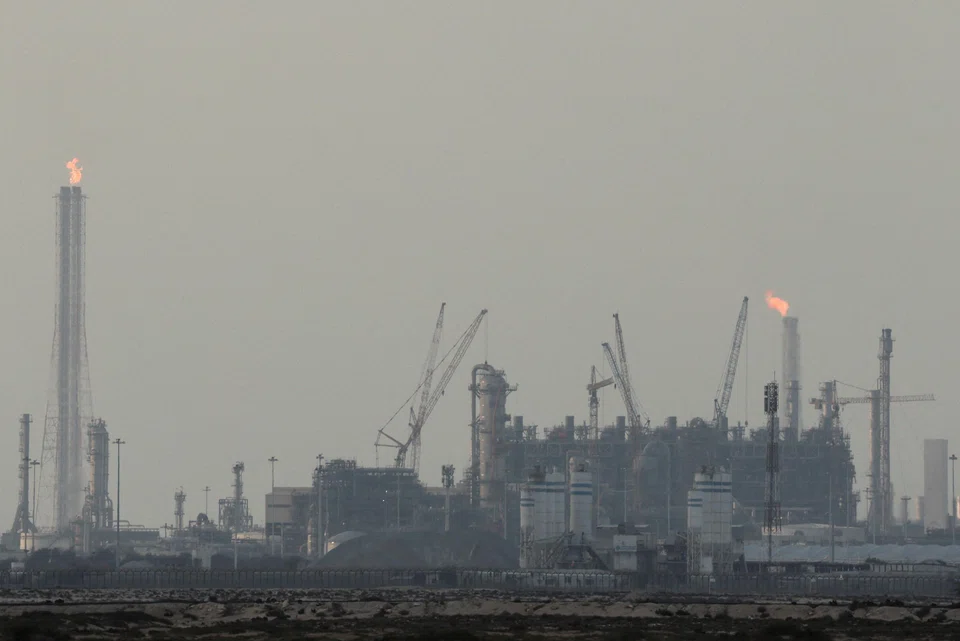
A record wave of new liquefied natural gas (LNG) supply was meant to usher in a prolonged period of lower prices.
Governments from India to South-east Asia crafted energy strategies that would allow them to use the surplus to move away from a heavy reliance on coal.
After seven weeks of war in the Middle East that have caused the world’s worst-ever energy crisis, those assumptions now look like distant, wishful thinking.
The near-closure of the Strait of Hormuz and the serious damage sustained by Qatar’s LNG export plant has sent prices higher and buyers scrambling for alternatives.
Gas’s reputation as a reliable and affordable energy source has taken a serious hit, and plans for its speedy adoption in Asia’s developing nations have been derailed, with potentially long-lasting consequences.
“Every day this is extended, prices elevate, the market tightens and demand destruction happens,” said Masanori Odaka, a Rystad Energy analyst. “The longer this lasts, the more structural it becomes.”
Bloomberg News spoke to more than two dozen executives, traders and analysts across Asia, who painted a picture of a region that had been thought of as the future of LNG, but is now rapidly losing faith in the super-chilled fuel. Most requested anonymity because they weren’t authorised to speak to media.
Importers in India and Bangladesh are already rethinking whether to keep the fuel as a centrepiece in future strategies.
Countries like Vietnam and the Philippines that were expected to become large growth markets, are looking alternatives.
SEE ALSO

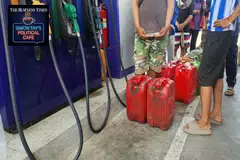


A planned gas power project in Vietnam is looking to switch to wind and solar plus batteries.
In Thailand, policymakers are pushing for more renewables, while also striking a preliminary deal with Russia’s top LNG exporter.
Malaysia’s Petroliam Nasional will reinvest a potential windfall from higher oil prices into its domestic gas fields to curb reliance on LNG imports, according to people familiar with the matter.
Indonesia’s government is exploring ways to retain more of its gas output for local use, potentially scaling back earlier plans to increase imports, the people said.
“In many South-east Asian countries, supply has been cut and alternative LNG has become too expensive to be fully replaced,” said Anne-Sophie Corbeau, a researcher at Columbia University’s Center on Global Energy Policy. That will see the region “invest less in future LNG demand growth,” focus more on renewables and retain coal, she said.
As recently as January, the International Energy Agency forecast LNG supply would jump more than 7 per cent in 2026, mainly due to surging capacity in the US.
But with around a fifth of global exports now trapped behind the Strait of Hormuz, and Qatar warning it will take up to five years to fully repair its facility, projections are being drastically cut.
Energy analyst ICIS now sees global output dropping by 0.4 per cent in 2026, assuming a five-month outage at the Ras Laffan plant in Qatar, which would be the first contraction in at least a decade.
The impact of the war on Asia has been swift and brutal, and not only in oil and refined fuels.
LNG prices in the region more than doubled in the weeks after the start of the conflict, and are still about 50 per cent higher than in February.
Asian imports plummeted to the lowest in six years in the month through mid-April, leading to higher power bills and shortages across industries like fertilisers, chemicals and transport.
Softer Asian demand is easing near-term pressure on Europe, which competes with the region for LNG.
European inflows have increased compared to 2025 on a 30-day moving average, helping to allay supply concerns and contributing to a recent decline in prices.
One of the hardest hit Asian countries has been Bangladesh, where imported gas accounts for more than a quarter of its electricity mix. A sustained 50 per cent increase in LNG and oil prices would shave 1.2 percentage points off gross domestic product in 2025, according to the South Asian Network on Economic Modeling.
Neighbouring India has been forced to cut LNG imports by about 15 per cent compared to this time in 2025, and supply to domestic industries is being curtailed. That – and higher prices – will make the country’s goal of doubling gas in its energy mix by 2030 tougher to achieve.
Chinese demand
Pakistan, which depends on Qatar for nearly all of its LNG, is moving to doubled domestic gas production by the end of the month to help fill the void, which will almost certainly lead to long-term demand destruction for seaborne gas.
“Greater reluctance about infrastructure investments could accelerate gas alternatives, potentially curbing demand growth over five to 10 years,” Jefferies analysts including Emma Schwartz said in a note last week.
Wealthier Asian economies, with energy systems that are built around LNG, may be more willing to absorb higher costs to keep the fuel in their power mix.
In Japan, the current crisis is reinforcing government efforts to push companies to invest in gas assets outside the Middle East.
Taiwan, which is vital for global chip production but also dependent on seaborne LNG, is in talks with the US to secure more of the fuel.
In China, the biggest global market for LNG in 2025, the crisis has underscored the need for energy security. Sinopec has cancelled plans to expand its Tianjin LNG import terminal, and is instead investing into a gas development in south-west China.
Chinese gas demand is set to grow by 0.5 per cent in 2026, the lowest level since 2022, according to ICIS. If Hormuz remains shut for the rest of the year, it could drop by as much as 1.5 per cent, it said.
“There are significant actions taken by some of the less affluent countries to mitigate the risk,” said International Gas Union Secretary General Menelaos Ydreos. “The big question is, as countries impose ways in managing the reduced availability of gas, to what extent will that create longer-term demand destruction?” BLOOMBERG
Decoding Asia newsletter: your guide to navigating Asia in a new global order. Sign up here to get Decoding Asia newsletter. Delivered to your inbox. Free.
Share with us your feedback on BT's products and services