Yen rallies as over-US$100 oil rattles greenback
The spotlight is on the Japanese currency due to its recent spike, shifting the calculus for the carry trade
 Add BT as a preferred source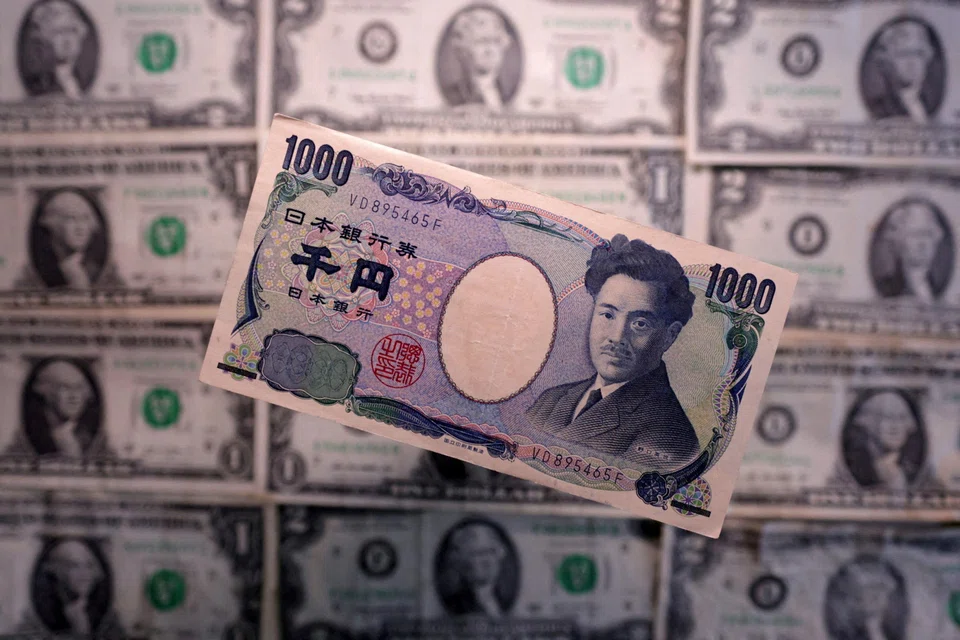
[LONDON] The Japanese yen traded at seven-month highs on Wednesday (Sep 9), keeping the US dollar under pressure, as traders grappled with oil prices breaking above US$100 a barrel in the face of a widening war in the Middle East.
Iranian-backed Houthis in Yemen launched strikes on several Saudi Arabian cities, further embroiling a US ally in the conflict, while American forces hit multiple Iranian oil tankers and Teheran struck a US base in Jordan.
Brent crude futures rose nearly 3 per cent to top US$100 for the first time since late July, hampering global markets ahead of US inflation data on Friday that will set the stage for central bank meetings next week in the US and Japan.
The US dollar fell modestly, although some analysts attributed that weakness to the yen’s rapid rise over the past week and investors positioning ahead of upcoming central bank meetings.
The euro rose 0.18 per cent to US$1.1641, nearing a two-week high, ahead of a widely expected rate rise from the European Central Bank on Thursday.
OCBC strategists said the latest Middle East escalation kept US Federal Reserve policy implications from higher energy prices in focus, particularly after last week’s strong US payrolls report revived expectations of a rate hike next week.
“For now, higher oil and yields may help limit USD downside, but we suspect a more decisive move will require confirmation from the upcoming inflation data,” they said in a note.
The dollar index, which tracks the US currency against six others, neared its lowest in almost two weeks.
The spotlight has been on the yen due to its 4 per cent rise so far in September, shifting the calculus for the popular carry trade, in which investors borrow in yen at a low cost to invest in other currencies and assets that offer better returns.

The yen rallied, leaving the dollar down 0.4 per cent on the day at 153.38 yen, just shy of Tuesday’s seven-month high of 152.89. The Japanese currency has strengthened across the board, including against the likes of the euro and the sterling, as well as against popular carry-trade targets such as the Mexican peso and Turkish lira.
The move has been fuelled by expectations of faster Bank of Japan (BOJ) tightening, the prospects of Japanese investors repatriating overseas funds and pressure from Washington for a stronger yen.
Traders widely expect the BOJ to raise rates by 25 basis points at its Sep 17 and 18 meeting, but the rally will hinge on whether governor Kazuo Ueda follows through with hawkish comments.
Treasury Secretary Scott Bessent on Tuesday dared traders to bet against the yen, following the historic joint US-Japanese intervention to boost the currency in late July to deter Tokyo from selling US Treasuries to fund the operation.
“I am the House now, so when we intervene with the Japanese yen, I have pretty good insight into what the Japanese, what the Bank of Japan is going to do, what Japanese policymakers are going to do. And you can bet against me if you want,” he said during an event held at Southern Methodist University Cox School of Business.
XTB research director Kathleen Brooks said that while Bessent’s comments “may sound bizarre, it is true: The US will do what it takes to protect its Treasury market and prop up the yen”.
The other wild card is the Fed, for which the chances of a rate rise next week now stand at 60 per cent.
The Canadian dollar, meanwhile, shrugged off another sideswipe from the US in the escalating trade conflict between the two neighbouring countries.
On Tuesday, the US government banned imports of a broad range of Canadian items, including alcoholic beverages, motorcycles and dairy products.
The loonie held steady on the day at C$1.377 to the greenback, not far from three-week highs.
China’s renminbi traded near 3½-year highs against the dollar, as better-than-expected inflation data and quicker export growth buoyed the currency. REUTERS
Decoding Asia newsletter: your guide to navigating Asia in a new global order. Sign up here to get Decoding Asia newsletter. Delivered to your inbox. Free.
Share with us your feedback on BT's products and services