

JPMorgan’s private bank using AI to make advisers more efficient
At the same time, the lender is still hiring and investing in its private banking staff
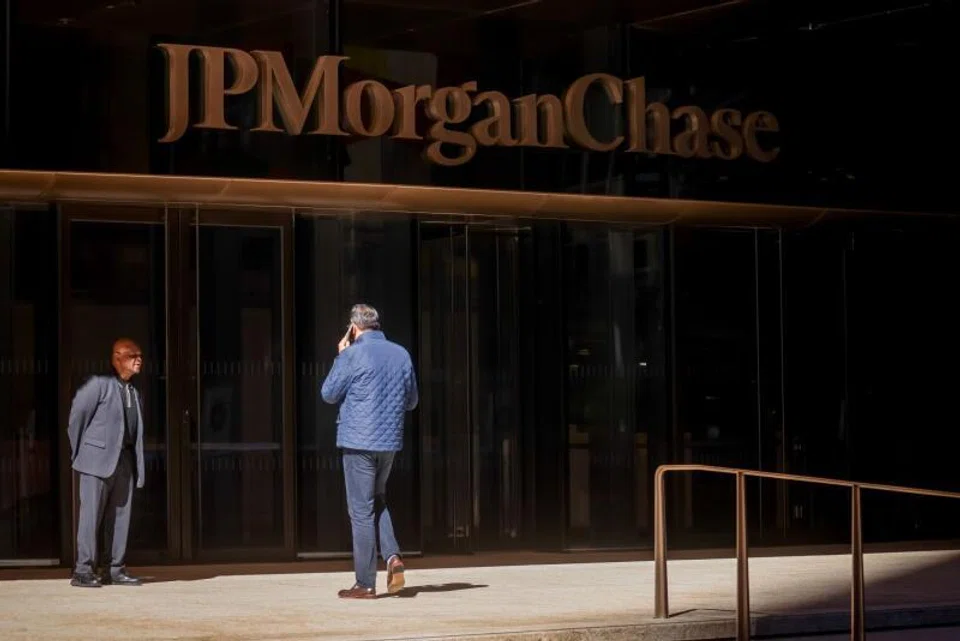
[JOHANNESBURG] JPMorgan Chase’s private bank is using artificial intelligence to onboard clients, for investment research and other tasks in an effort to increase productivity among its wealth advisers, according to its Europe, Middle East and Africa (Emea) head, Pablo Garnica.
AI is being used “to enhance the experience of the client, but at the same time, to make our advisers more effective and efficient”, Garnica said in an interview.
The bank’s wealth arm is using AI to simplify complex processes, give advisers faster access to its research and investment views, and help clients find relevant information through its website and app.
At the same time, JPMorgan is still hiring and investing in its private banking staff, running counter to banks and firms that are cutting jobs as they start to see efficiencies from the technology.
Garnica said he was expecting JPMorgan’s adviser headcount within private banking in Emea to grow 10 to 15 per cent over the next three to five years.
Some wealth management firms have said AI was creating more hiring needs as their own people become more productive and can onboard more clients. Citigroup, for example, said earlier in 2026 that it wanted to add 400 wealth advisers across its US retail bank and another 100 staffers for its private bank.

The firm is “very focused” on continental Europe, and is “growing in the Middle East”, Garnica said. It is also seeking to build relationships with younger generations as wealth is transferring over from baby boomers at an accelerating pace, he said.
Family offices are currently most concerned about geopolitical risk, Garnica said, as investors contend with a more fragmented world, inflation and the impact of AI.
That can create opportunities to invest in sectors like defence, ones tied to AI and new technologies, as well as infrastructure, he said.

A UBS Group survey released in May of 307 family offices across more than 30 markets found that 60 per cent planned to change their strategic asset allocations over the following 12 months, as geopolitical conflict, rising debt and economic uncertainty prompted them to reassess their portfolios. BLOOMBERG
Decoding Asia newsletter: your guide to navigating Asia in a new global order. Sign up here to get Decoding Asia newsletter. Delivered to your inbox. Free.
Share with us your feedback on BT's products and services
TRENDING NOW

Ex-Nvidia CEO Jensen Huang carried a secret for more than a year. It led to his downfall

South-east Asia has lost Nvidia’s best salesman

Demand, tech capabilities position Apac and AI as Skyscanner’s next growth frontiers: CEO Bryan Batista

Jensen Huang discusses comeback as Nvidia CEO with allies: report

