Macro hedge funds hammered in China as Bridgewater loses 5.6%
Markets have recovered in recent days on optimism over further US-Iran talks
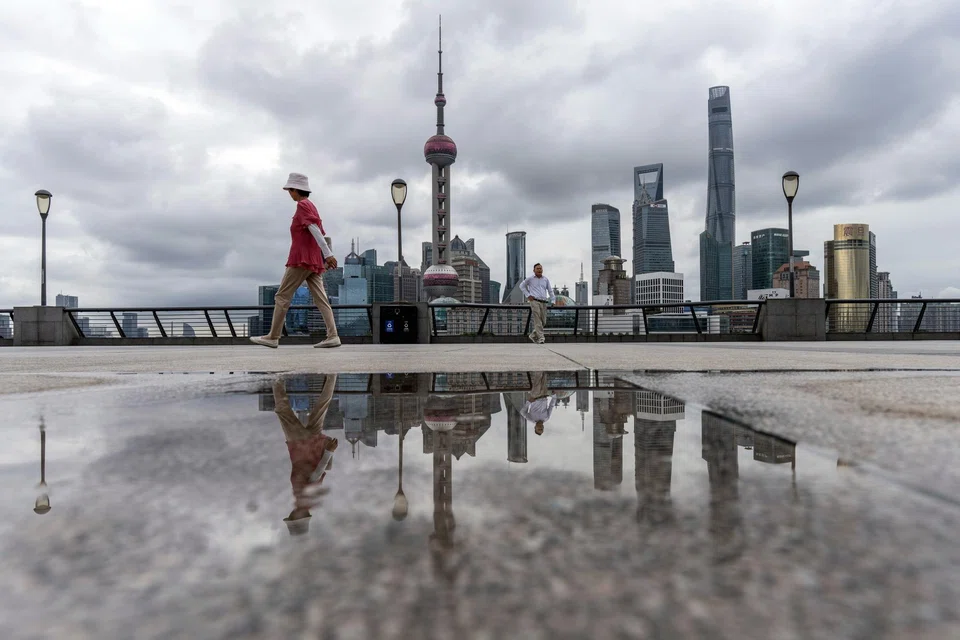
MACRO hedge funds in China, including Bridgewater Associates’ hugely popular onshore strategy, suffered heavy losses last month as the Iran war roiled markets.
Bridgewater’s All Weather Plus strategy lost 5.6 per cent between Feb 27 and Apr 3, according to net value data seen by Bloomberg. The downturn cut its net return in the first quarter to 3.9 per cent, although that performance is still above the firm’s long-term target and within expectations for a volatile three months, a source familiar with the matter said.
Shanghai Longlife Investment’s Macro Hedging No 1 fund, which was the best performer among macro funds last year with a 153 per cent return, slumped 25 per cent in March, according to data compiled by PaiPaiWang Investment & Management, which tracks hedge funds. The decline, which trimmed its first-quarter gain to 13 per cent, was mainly due to losses on equities, the company told Bloomberg.
These are just two of the most prominent examples of a widespread slump for China’s macro funds after the conflict in the Middle East led to wild swings in oil and other asset classes. The funds lost an average of 6.3 per cent last month, according to PaiPaiWang, their worst performance since at least the start of last year.
The market turmoil means China’s macro funds now face an unprecedented test in attracting investors. These funds had surged in popularity in recent years as a generation of managers tried to replicate the approach of Bridgewater, one of the few foreign fund managers to have had clear success within mainland China.
So-called All Weather funds, largely modelled on Bridgewater’s systematic approach, are down around 1.4 per cent on average this year, according to data compiled by China Merchants Futures. Discretionary funds – which rely on human beings to make trading decisions – did far worse, posting an average year-to-date loss of 10.3 per cent to Apr 3, the data show. That makes discretionary macro the worst-performing strategy in China this year.
The one consolation for China’s struggling macro fund managers: they were not alone. Discretionary macro funds across global markets lost 5.5 per cent in March, their worst performance in six years, according to Bloomberg Hedge Fund Indexes.
The ability of macro investors to trade everything from currencies to commodities means they can take heavy losses – or book big wins – during moments of geopolitical uncertainty.
Bridgewater’s All Weather Plus strategy, which combines active management with All Weather risk-parity portfolios, returned 14.7 per cent in January before falling 3 per cent in February, according to investor letters seen by Bloomberg. Its annualised return since inception was 21.5 per cent to Mar 31, the source said, asking not to be identified discussing private information.
SEE ALSO




Declines across stocks, bonds, commodities and gold in mid-March led to a record single-week drawdown in Hainan Infinity Capital Management’s mid-volatility macro products, the company said late last month in a notice to investors seen by Bloomberg that did not give performance details.
Shanghai-based Honghu Investment Management’s more balanced macro fund fell almost 3 per cent in March, the steepest monthly loss since October 2023. It booked losses in equities and bonds while commodities contributed gains, the company told qualified investors earlier this month, according to a transcript seen by Bloomberg. Its more active strategy gained more than 3 per cent, reversing a significant loss in February.
‘Double pressures’
The March drawdowns were “controllable” after Honghu took precautions in February against major potential risks, the firm said. Honghu’s allocations in the remainder of the year will prioritise risk controls amid potential “double pressures” on market liquidity and corporate fundamentals, it added.
Shanghai Star Fund Management cut stock exposure, shortened durations of bond holdings and added short positions to hedge the risks, according to a note sent to investors late last month. Its Tianji No 1 fund dropped 8.5 per cent since the end of February, turning this year’s return to Apr 3 into a 2 per cent loss, according to PaiPaiWang data. The fund has gained 101 per cent since inception in December 2022.
Bridgewater declined to comment, and Hainan Infinity did not reply to a request for comment. Honghu and Star Fund confirmed the contents of their communications without commenting further.
Despite the setbacks, managers maintained conviction in their strategies. Hainan Infinity told investors that the drawdowns do not mean its approach has become ineffective, adding that the impact from such rare situations will not last.
Markets have recovered in recent days on optimism over further US-Iran talks. China’s CSI 300 Index has almost erased losses since the conflict began.
“After the recent panic-driven sell-off, precious metals, A-shares and commodities have all undergone a significant pullback,” Star Fund said in its note. “A concentrated release of risk often signals the opening of a window to increase positions.” BLOOMBERG
Decoding Asia newsletter: your guide to navigating Asia in a new global order. Sign up here to get Decoding Asia newsletter. Delivered to your inbox. Free.
Share with us your feedback on BT's products and services