

Russian central bank hikes rates to 20% to manage sanctions fallout
Move bolsters other measures including ordering firms to sell 80% of foreign currency revenues
Moscow
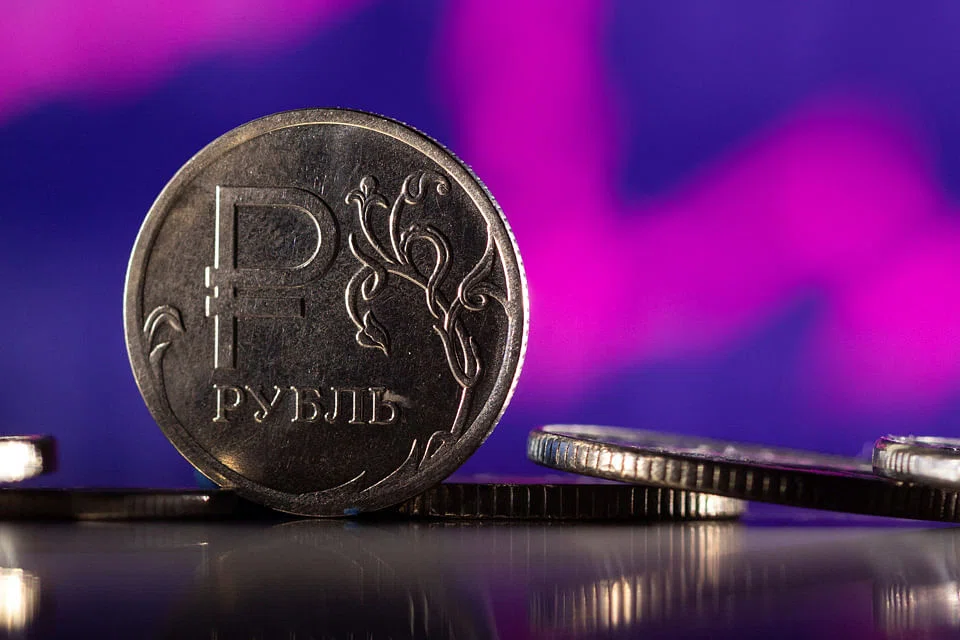
RUSSIA'S central bank on Monday (Feb 28) sharply raised its key policy rate to 20 per cent, a day after announcing a slew of measures to support domestic markets, as it scrambled to manage the fallout of harsh Western sanctions in retaliation against Moscow's invasion of Ukraine.
The bank hiked the key rate from 9.5 per cent to counter risks of rouble depreciation and higher inflation, and also ordered companies to sell 80 per cent of their foreign currency revenues.
"External conditions for the Russian economy have drastically changed," the central bank said in a statement.
The rouble hit a low of 120 to the US dollar on electronic currency trading platform EBS.
Presenting the new emergency measures, Central Bank Governor Elvira Nabiullina said the central bank had stopped interventions on Monday due to the latest western sanctions, suggesting the rouble was supported by other unnamed market participants.
The Bank of Russia sold around US$1 billion from its reserves on Thursday (Feb 24), the day when Russia started what it calls a "special operation" in Ukraine, and also carried out FX selling on Friday, Nabiullina said.
"Due to restriction on using gold-forex reserves in dollars and euros, interventions were not carried by us today," Nabiullina said. Nabiullina also said Russia had an internal replacement for the SWIFT international payments system, adding that foreign counterparts can join it.
The central bank, which says it targets inflation at 4 per cent and will do all necessary to ensure financial stability, said the rate increase will bring deposit rates to levels "needed to compensate for the increased depreciation and inflation risks". "This is needed to support financial and price stability and protect citizens' savings from depreciation," it said.
Russian authorities have also ordered brokers to suspend short selling on the Russian market.
Monday's steps bolster other measures announced on Sunday, which include the central bank's assurance that it would resume buying gold on the domestic market, launch a repurchase auction with no limits and ease restrictions on banks' open foreign currency positions.
It also increased the range of securities that can be used as collateral to get loans and ordered market players to reject foreign clients' bids to sell Russian securities.
The steps came after Western allies ratcheted up sanctions on Saturday, taking action to banish big Russian banks from the main global payments system SWIFT and announced other measures to limit Moscow's use of a US$630 billion war chest to undermine sanctions.
The new set of sanctions were likely to deal a devastating blow to the Russian economy and make it hard for Russian banks and companies to access the international financial system.
"A bank run has already started in Russia over the weekend ... and inflation will immediately spike massively, and the Russian banking system is likely to be in trouble," said Jeffrey Halley, Asia-based senior market analyst at OANDA.
Nomura analysts said the fresh reprisal measures by the West against Russia is likely to have wider global implications. "These sanctions from the West are likely to eventually hurt trade flows out of Russia (around 80 per cent of FX transactions handled by Russian financial institutions are denominated in USD), which will also hurt the growth outlook of Russia's key trading partners including Europe and lead to greater inflationary pressures and risk of stagflation, we think," the analysts wrote in a note to clients.
Energy major BP opened a new front in the West's campaign to isolate Russia's economy, with its decision to abandon its stake in state oil company Rosneft at a cost of up to US$25 billion, the most aggressive move yet by a company in response to Moscow's invasion of Ukraine.
The Russian business operations of other Western corporations are also in the spotlight as governments tighten the financial screws on Moscow. Several European subsidiaries of Sberbank Russia, majority owned by the Russian government, are failing or likely to fail due to the reputational cost of the war in Ukraine, the European Central Bank, the lenders' supervisor, said on Monday.
In a bid to inject cash into the financial system, the central bank on Sunday said there would be no limit at a "fine-tuning" repo auction it planned to hold on Monday and added that the banking system remained stable after the new sanctions targeting Russia's financial institutions.
The central bank also said it is temporarily easing restrictions on banks' open foreign currency positions after the sanctions. The measure, allowing banks suffering from "external circumstances" to keep positions above the official limits, will be in place until July 1, it said in a statement. REUTERS
READ MORE: Russia bonds, now junk, set to reel from fresh sanctions on central bank
Decoding Asia newsletter: your guide to navigating Asia in a new global order. Sign up here to get Decoding Asia newsletter. Delivered to your inbox. Free.
Share with us your feedback on BT's products and services
TRENDING NOW

Philippine power giant First Gen rebuffs foreign offers, plans up to US$2.6 billion in expansion

Vietnam’s data-centre investment rush faces reality check on power and site constraints

Singapore should prepare for prolonged haze until November, says Grace Fu

Is stagflation returning? That mostly depends on the Iran war

