

Russia bonds, now junk, set to reel from fresh sanctions on central bank
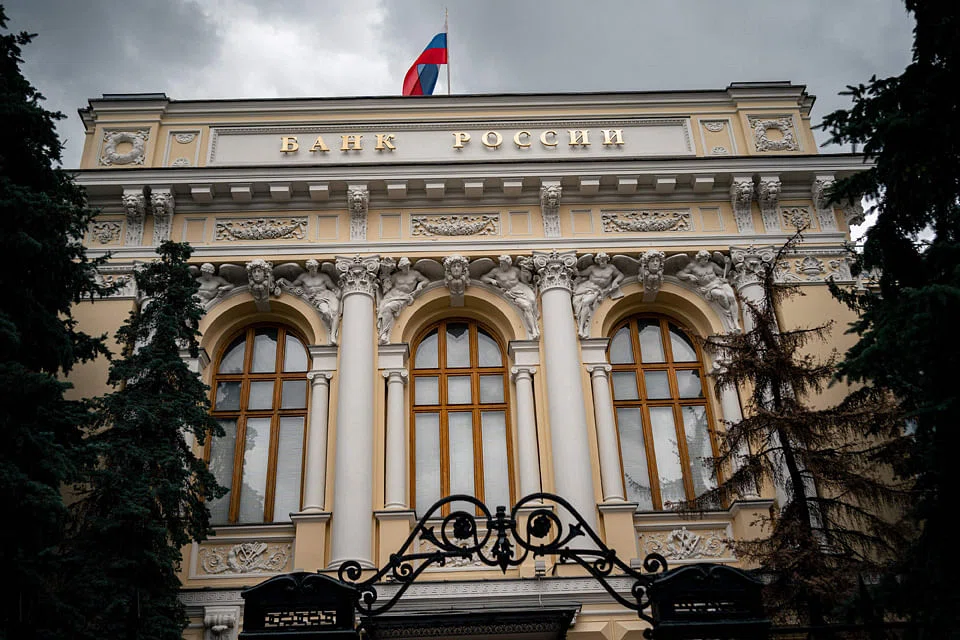
Moscow
HOLDERS of bonds issued by Russia are set to grapple with a new reality this week as fresh sanctions on the nation's central bank and a downgrade of its credit rating to junk threaten to dry up access to sovereign debt funding.
S&P Global Ratings lowered Russia's score below investment grade on Friday (Feb 25), while Moody's Investors Service - which rates Russia one notch above junk - put the nation on review for a downgrade.
Meanwhile, the United States. and the European Union jointly agreed to penalise Bank of Russia, potentially freezing access to cash buffers the government had built to reduce reliance on international markets. Additional measures to exclude some Russian banks from the Swift messaging system could further choke up the country's banking system.
These steps are likely to further weigh on some of Russia's biggest and most liquid dollar debt, which was already reeling after losing more than a quarter of its value last week. A Bloomberg index tracking 10 such securities slumped 26 per cent - or US$8.8 billion - last week, taking their combined market value below US$25 billion. That's down from the past decade's peak of more than US$48 billion.
The measures, which are prompting demand for foreign currency among Russians, are also expected to drag down the rouble past the record low seen last week.
"The market is panicking and investors are getting rid of Russian assets," said Yury Arkhangelskiy, St Petersburg-based head of Investment Product Department at KIT Finance Broker, which provides brokerage services to institutional and retail investors.
The offshore rouble fell by as much as 29 per cent against the US dollar on Monday amid thin liquidity, with the Moscow exchange stating that onshore currency and money-market trading will only begin at 10 am local time, 3 hours later than normal.
The Bloomberg Dollar Spot Index gained 0.7 per cent, with the greenback appreciating versus all its Group-of-10 peers.
Asset manager BlackRock is among the top holders of Russia's dollar bonds, according to Bloomberg data. The data tracks debt that falls under Regulation S rules and those held in passive funds, and excludes holdings by investors not required to disclose their transactions. These holdings may become subject to forced reallocations under the new classification by ratings agencies.
Investors will also watch upcoming coupon payments for any clues on Russia's ability to service its debt. The next payment is due March 31 for the March 2030 bond, while one for its US$7 billion June 2047 securities - the biggest among the nation's outstanding dollar-denominated bonds - is due on June 23.
While Russia's efforts to limit dollar exposure in its economy and financial markets have blunted previous sanctions, investors said moves to limit the nation's access to Swift and to target the central bank's assets may end up being far more damaging.
Goldman Sachs Group said the removal of Russian bonds from JPMorgan's Government Bond-Emerging Markets Index is possible given potential additional sanctions on Russian banks' access to Swift as well as on the central bank, strategists including Danny Suwanapruti wrote in a note.
Russia has become "an investment pariah", said Timothy Ash, strategist at BlueBay Asset Management, which slashed its Russian debt holdings before the Ukraine invasion. "How can they intervene, given a lot of reserves are now caught up in sanctions? The only option is massive rate hikes."
Russia's central bank has boosted rates more than 500 basis points in the past year. In a statement on Sunday, it said it will start purchasing gold again, just under 2 years after it ended a long-running buying spree.
Russia has amassed record surpluses, as well as a war chest that includes gold reserves and liquid wealth of about US$1 trillion, according to estimates by Credit Suisse Group strategist Zoltan Pozsar. He estimated that about US$300 billion is held in foreign-exchange swaps and deposits in foreign banks, and could be potentially trapped by sanctions. That may further restrict the country's ability to access funds.
"Sanctioning central-bank reserves can turn a surplus agent into a deficit agent overnight," Pozsar wrote in a separate note on Sunday. "The Bank of Russia has neither Treasuries to repo with the new Fima repo facility, nor dollar swap lines with the Fed, and if its assets are frozen, it can't raise dollars to provide for its domestic banks." BLOOMBERG
READ MORE:
Russian central bank hikes rates to 20% to manage sanctions fallout
Ukraine crisis clouds Singapore's outlook, sanctions on Russia planned
Decoding Asia newsletter: your guide to navigating Asia in a new global order. Sign up here to get Decoding Asia newsletter. Delivered to your inbox. Free.
Share with us your feedback on BT's products and services
TRENDING NOW

Philippine power giant First Gen rebuffs foreign offers, plans up to US$2.6 billion in expansion

Vietnam’s data-centre investment rush faces reality check on power and site constraints

Singapore should prepare for prolonged haze until November, says Grace Fu

Is stagflation returning? That mostly depends on the Iran war

