

Blackstone-backed AirTrunk delays Singapore Reit IPO amid AI stock sell-off, sources say
The delay comes as Asian equities slid to more than two-month lows on Tuesday
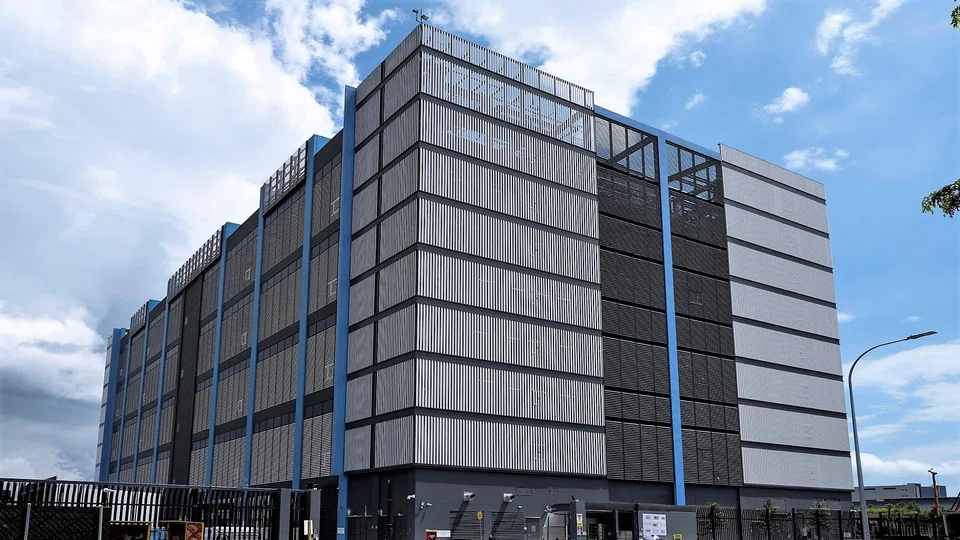
[HONG KONG] Blackstone-backed data-centre operator AirTrunk has postponed a planned Singapore real estate investment trust (Reit) initial public offering that could raise about US$1.5 billion, two people with direct knowledge of the matter said, as a tech and AI stock selloff rattles markets.
AirTrunk was originally planning to launch the IPO in September or October but put it on hold due to market conditions, said the people, declining to be named as the information was confidential.
AirTrunk has not decided when to launch the offering but is aiming to complete the listing by early next year, one of them said.
The delay comes as Asian equities slid to more than two-month lows on Tuesday (Oct 13), led by a rout in chipmakers that renewed investor scrutiny of the AI trade.
AirTrunk, which is owned by US investment firm Blackstone, did not immediately respond to a request for comment. Blackstone declined to comment.
The Wall Street Journal first reported the delay on Tuesday.


The Reit was expected to be valued at about US$15 billion, potentially making it one of South-east Asia’s largest listings in coming months.
The postponement also follows the scrapping of Firmus’ planned IPO, highlighting an increasingly difficult backdrop for large data centre and AI-linked equity offerings as investors reassess valuations, rising borrowing costs and the durability of demand tied to the AI boom.
Singapore-based data centre operator DayOne is aiming to launch its US IPO before the midterm election, Reuters reported in September. REUTERS
Decoding Asia newsletter: your guide to navigating Asia in a new global order. Sign up here to get Decoding Asia newsletter. Delivered to your inbox. Free.
Share with us your feedback on BT's products and services
TRENDING NOW

Malaysian king buys stake in Singapore-listed mining firm expanding into rare earths

Family offices ‘kept captive’ by relationship managers turn to independent advisers, direct deals

Once staunchly pro-China, Malaysian Chinese businesses are now distancing themselves from Beijing

Could stablecoins be the future of money?

