

BOC Aviation wants to raise fleet size by 50% to 1,000 to stay at forefront of industry
2030 target will give aircraft lessor the scale to do the bigger deals with the bigger airlines

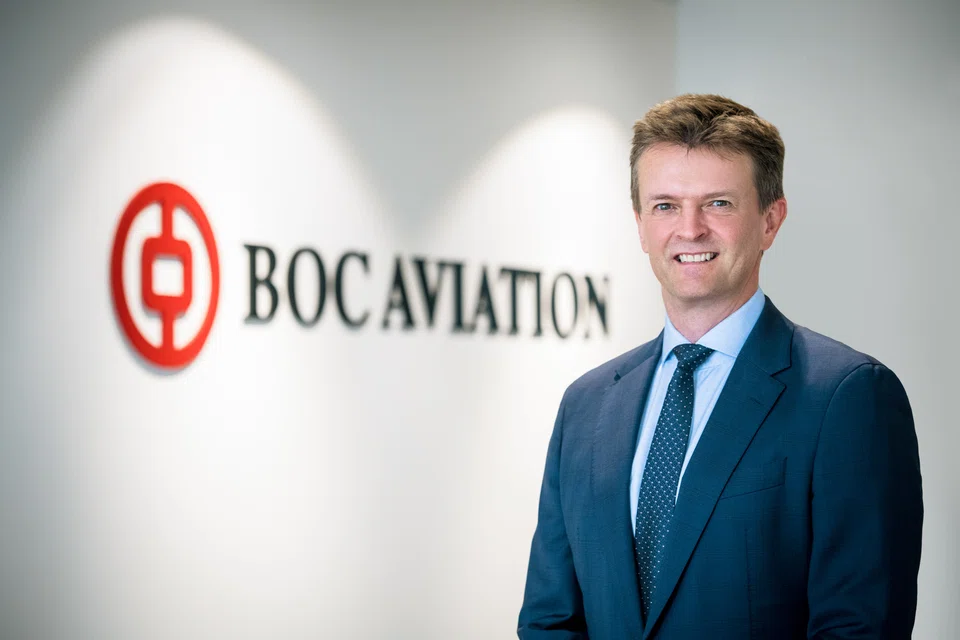
BOC Aviation, an aircraft lessor, aims to grow its fleet to 1,000 planes by 2030 – up from the current 680 – in order to maintain its portfolio scale and its position among the world’s top five lessors.
Its chief executive officer Steven Townend said: “Why do we think scale is important? Because we want to be able to buy the right aircraft at the right time from Airbus and Boeing.
“We want to have the portfolio size and diversity to maintain our investment-grade credit ratings, and we want to be able to do the bigger deals with the bigger airlines.”
He added that the big airlines do not do deals for one or two aircraft, but for 10 or 20.
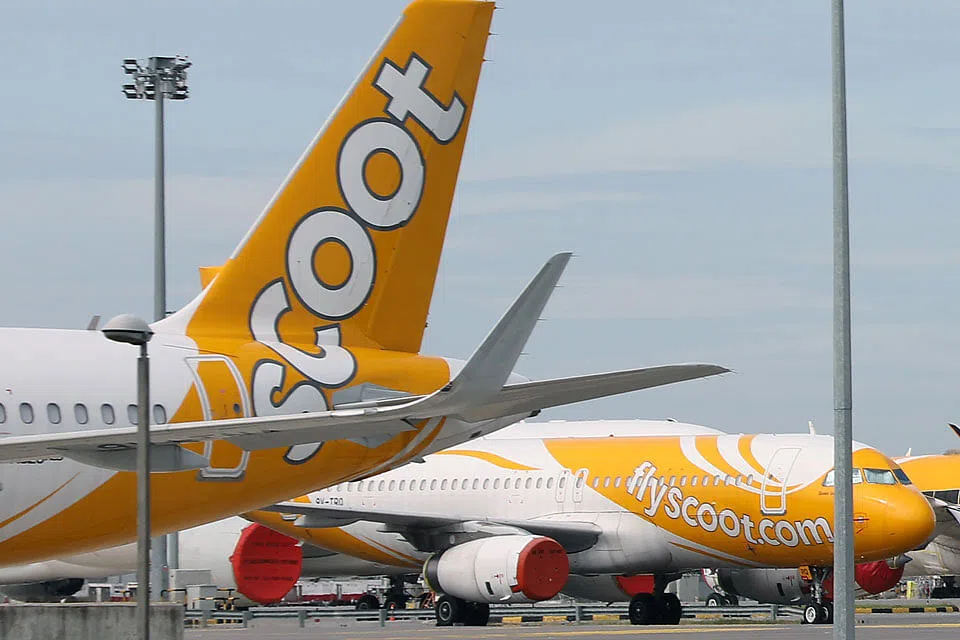
IndiGo, major Chinese airlines and Singapore Airlines ’ budget arm Scoot are among carriers that tap the Bank of China’s 70-per-cent-owned subsidiary for aircraft rental or funding for aeroplane deliveries.
BOC Aviation has one of the youngest fleets in the aircraft leasing industry because it has consistently sold off aircraft when they are at “midlife”, at 10 to 15 years old, so it can maintain its strength to operate in scale.
Townend said: “If you’re looking at aircraft that are maybe 15 or 20 years old, they tend not to move around in scale. They’re moving around in ones and twos. And so a lot of the smaller leasing companies can be active in that market. We can do it, but we don’t have that competitive strength, that relative strength, the strong position that we do have on the new aircraft end.”
Fleet values, that is, the value of planes in a portfolio, have risen lately because demand for aircraft has surpassed supply. BOC Aviation has taken advantage of this and sold 15 of its aircraft in the first half of this calendar year, reaping a gain of US$56 million.
This, together with the recovery of two of its planes from Russia and higher interest income from finance leases, have lifted its earnings by 76 per cent to US$460 million.
The lessor’s revenue rose 11 per cent year on year to US$1.2 billion – and 80 per cent of that came from aircraft rental income.
The lessor aims to split its fleet evenly across four geographical markets: the Americas, Europe and Africa, Greater China, and the rest of Asia.
Air India and IndiGo made the news last year for topping the industry in orders for hundreds of planes, but Townend believes that the two Indian airlines are more likely to borrow to finance their orders, rather than get planes from lessors.
The greatest challenge for the aviation industry now – amid a post-pandemic turnaround in air travel – lies in new planes not being built fast enough to meet demand, he noted.
The current situation results from a confluence of factors, including the 4,400 aircraft that were projected – but not built – during the pandemic years; add to that technical issues and plane-makers’ shortage of skilled labour and parts.
“Boeing and Airbus have announced further delays to their ramp-up, so as for the gap between demand and supply, we don’t see that closing until probably 2028,” Townend said.
He noted that even if a carrier or lessor were to put in orders for new aircraft from Airbus or Boeing today, it would not have a plane delivered before 2030.
Townend said: “In that interim period, if airlines haven’t already got orders, and they want additional aircraft, they will need to come to leasing companies like ours.”
He added that the imbalance in supply and demand will sustain lease rates at the current levels at least for the next two or three years. Meanwhile, the value of the 220 aircraft BOC Aviation has on order has been lifted substantially.
The lessor also stands to gain from central banks’ policy rate cuts.
Interest cost is the company’s top cash expense item. Among non-cash costs, depreciation is its overall top cost. Changes in policy interest rates would thus have a big effect on BOC Aviation, given its leveraged business.
Townend commented that the effect of the Fed’s rate-cut on BOC Aviation would filter down within three months, bringing an uplift of US$3.6 million in its net profit if its average cost of funding drops by 10 basis points.
Of BOC Aviation’s US$16 billion of debt, about 30 per cent, or US$5 billion, is on a floating rate – a proportion that has been fairly steady over a long period of time.
BOC Aviation said it is the top issuer of corporate bonds in Singapore, with 44 bond issues raising a total of US$18.2 billion since January 2012.
Although it is a subsidiary of Bank of China, under 10 per cent of its debt is from the banking group. “So we have an A-minus credit rating from S&P (Global) and Fitch (Ratings); Bank of China doesn’t guarantee any of our funding.”
The current gross debt to equity ratio for the lessor is about 2.7 times, slightly under-levered to where it would optimally be at 3 to 3.5 times, because plane deliveries have been delayed.
Besides its core business of renting out aircraft, BOC Aviation is looking forward to opportunities from pre-delivery payments that airlines have to make when plane-makers start ramping up delivery from about US$90 billion of aircraft this year to US$150 billion of aircraft each year in four years’ time.
Typically, airlines start making pre-delivery payments two years before taking delivery of an aircraft. Banks will not fund the full sum, but only up to 70 per cent of the pre-delivery payment; airlines have to cover the shortfall themselves.
This is where BOC Aviation is also ensuring its financing service is in place. Townend said: “We typically fund 100 per cent of it, but we will charge more for that because we’re taking a different risk profile.”
The lessor spends a lot of time assessing airlines before it commits to a lease, and continually reviews those profiles during the term of the lease.
To illustrate this point, he asked rhetorically: “If we’ve agreed to lease 20 aircraft to an airline, do we want to sell some of those down to syndicate part of that risk to reduce our exposure?”
TRENDING NOW

China Investment Corp, PGIM’s 50% stake in Nex mall up for sale; asking about S$1.2 billion

Higher rates, weaker spending: Is the Philippines entering stagflation?

Singapore tech stocks plunge as Nasdaq bloodbath spills into region

OCBC wealth clients turn defensive amid market volatility as Q3 profit rises 3%

