Boeing shares plummet on slower 737 production and free cash flow growth outlook
The company’s results are hit by supply-chain costs and a weaker delivery mix
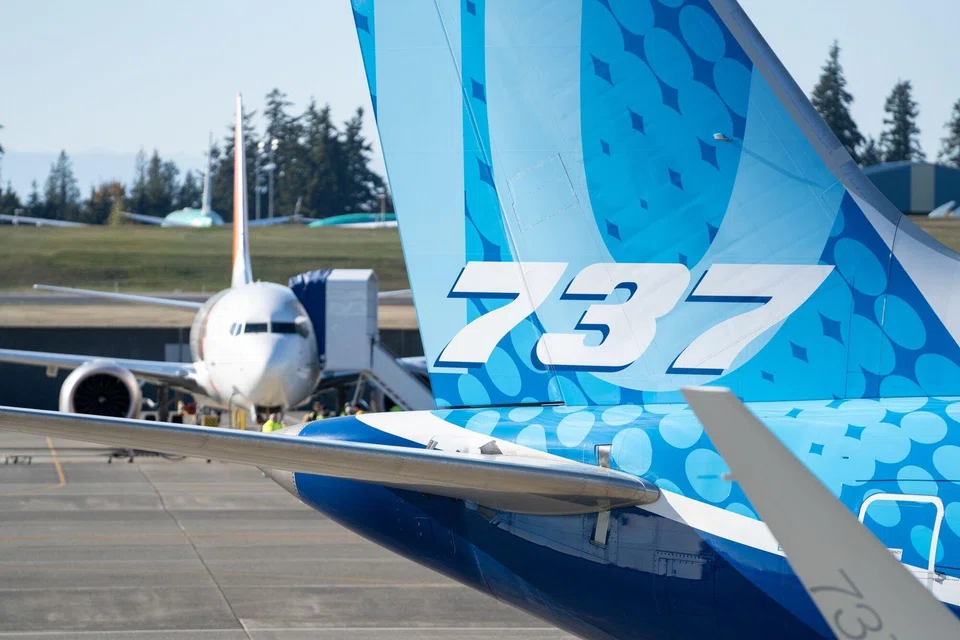
[SEATTLE] Boeing CEO Kelly Ortberg said on Tuesday (Oct 27) that the company will not reach its 737 production rate target of 47 jets a month until early 2027, a serious setback to the company’s ongoing recovery.
As a result, the company will not hit its delivery target of 500 jets this year.
Boeing also expects much slower free cash flow growth than investors had expected: US$3 billion next year and US$6 billion in 2028, compared with Wall Street analysts’ consensus projection of US$5.6 billion and US$9.6 billion, respectively, according to LSEG data.
Shares of the US planemaker fell 9.5 per cent in early trading, reaching April 2025 lows, even as Boeing continues to recover from years of crises and controversies that dented its reputation, drained cash and saddled it with a heavy debt load.
The company had planned to reach 47 of its 737 jets per month this past summer, but it will take “into early next year”, Ortberg said during an interview on CNBC.
In September, he said that Boeing has not been able to make wings fast enough.
Deliveries of the popular single-aisle jetliner are a major driver of Boeing’s cash flow. “We are ramping up aircraft, and we’re doing that in the right way,” he said.
Before Ortberg joined Boeing in 2024, the company had struggled for years with production quality problems that were attributed to rushing rate increases at the expense of quality.
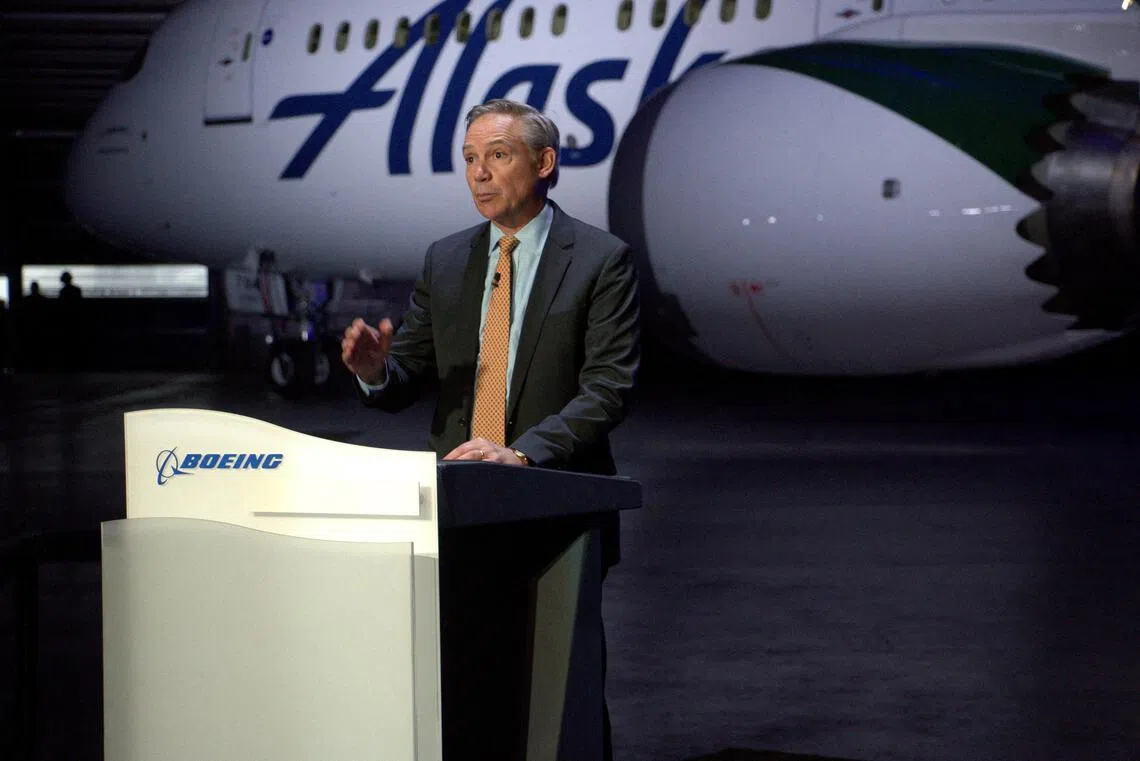
There is pressure on the company to increase 737 output, but Ortberg said that it is “going to be smart about this, stay disciplined, and the outlook is there”.



Boeing continues to struggle with production challenges in its 787 programme and 777 freighters, Reuters previously reported.
High fuel prices have kept demand up for more fuel-efficient jetliners, but are “certainly something we have to continue to watch”, Ortberg said on CNBC.
During the quarter, Boeing secured certification for the 737 MAX 7 from US regulators, won the US Navy’s sixth-generation F/A-XX fighter contract and generated free cash flow for another quarter, while certification of the larger MAX 10 followed in October.
“Expectations are rising, and they should,” Ortberg said in a memo to employees after the results. “We have a stronger foundation than a year ago, but we also have more work to do to deliver on our backlog, strengthen our culture, and improve how we work every day.”
Boeing reported an adjusted loss of US$0.34 a share for the quarter ended Sep 30, compared with the market expectation of US$0.21, according to data compiled by LSEG.
Revenue at Boeing Commercial Airplanes dipped slightly to US$10.7 billion, while operating loss stood at US$697 million and margin shrank by just 6.5 per cent compared with a contraction of 48.3 per cent a year ago.
The company attributed the performance to less profitable jetliner deliveries and higher production costs, including from its supply chain.
At Boeing’s defence division, higher deliveries, improved operational performance and a US$252 million sale of a subsidiary contributed to nearly US$500 million in quarterly earnings with an operating margin of 6.2 per cent, up from 1.7 per cent a year ago.
Boeing Global Services earned US$1 billion and posted an operating margin of 18.3 per cent.
The planemaker ended the quarter with US$25.2 billion in net debt, down slightly from US$25.9 billion in the previous three months and US$30.4 billion a year ago. REUTERS
Decoding Asia newsletter: your guide to navigating Asia in a new global order. Sign up here to get Decoding Asia newsletter. Delivered to your inbox. Free.
Share with us your feedback on BT's products and services