

Asia stocks rebound on chip recovery as Samsung Electronics, TSMC lead gains
The MSCI Asia-Pacific Index climbs 1.7% as benchmark gauges in South Korea and Taiwan both gain around 3%
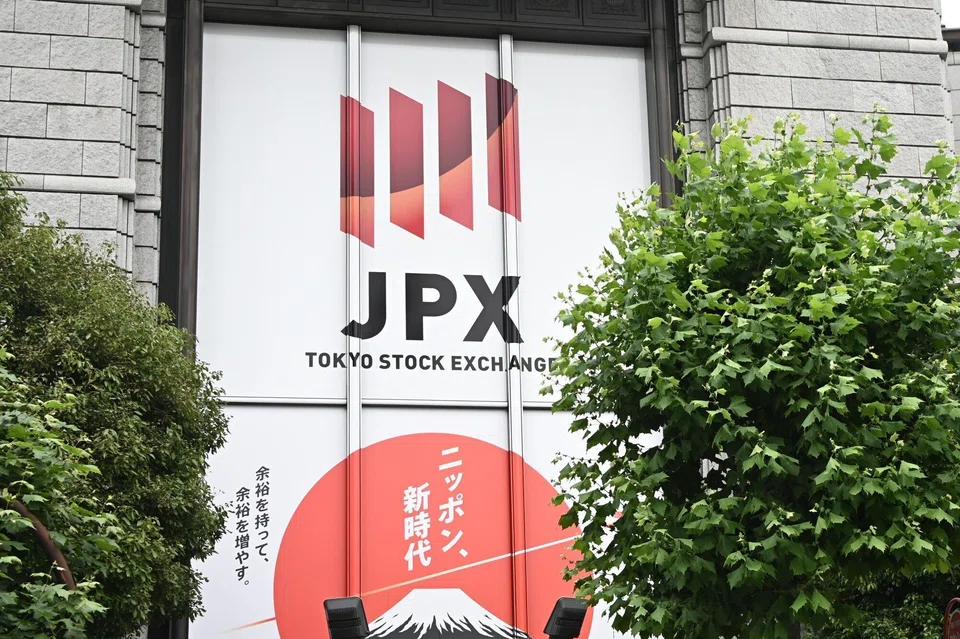
ASIAN equities on Tuesday (Jul 21) rose for the first time in four days as investors returned to chipmakers, driving a rebound in the sector after the recent sell-off, while oil declined.
The MSCI Asia-Pacific Index climbed 1.7 per cent, with chip giants Samsung Electronics and Taiwan Semiconductor Manufacturing as the two biggest contributors.
Among the main moves across markets, the S&P 500 futures rose 0.2 per cent as at 11.58 am Tokyo time. Japan’s Topix rose 1.8 per cent, Australia’s S&P/ASX 200 fell 0.1 per cent, Hong Kong’s Hang Seng fell 0.6 per cent and the Shanghai Composite rose 0.2 per cent.
Benchmark gauges in South Korea and Taiwan both gained about 3 per cent. Japan’s Nikkei 225 Stock Average rose 1.7 per cent after slipping into correction territory on Friday, as trading resumed following a long weekend.
US equity-index futures reversed earlier losses, with contracts for the Nasdaq 100 Index rising as much as 0.6 per cent. Earlier, a gauge of US chip stocks rebounded from last week’s sell-off.
Also supporting sentiment was a pullback in oil. Brent crude fell 0.7 per cent to about US$88.55 a barrel even as traders watched for disruptions to Saudi Arabian exports after Houthi rebels threatened to blockade an export route through the Red Sea.
Worries that higher energy costs may boost inflation had weighed on bonds on Monday.
Elevated oil prices and escalating Middle East tensions are giving investors another reason for caution, adding to the rotation out of chip stocks after 2026’s blistering rally.
Investors are now turning to megacap earnings later this week for clues on whether this year’s artificial intelligence-driven rally can be sustained.

“The market has already undergone a fairly substantial correction,” said Ikuo Mitsui, a fund manager at Aizawa Securities. “At the same time, corporate earnings have held up reasonably well and have proved more resilient than expected.”
This week brings the first results from the US megacaps, and pressure is building for the companies to justify AI investments.
Tesla and Alphabet kick off big tech’s reporting season on Wednesday. Then, Microsoft, Meta Platforms, Apple and Amazon.com will announce their earnings the following week.
Investors will be looking to Alphabet’s earnings for updates on spending and semiconductors after a report said that the company is developing a server chip designed to optimise its Gemini AI model.
The semiconductor, called Frozen v2, may be deployed as soon as 2028, The Information reported on Monday, citing unnamed people familiar with the matter.
“A brutal month for chip stocks has sharpened scrutiny of the AI spending wave,” said Josh Gilbert, Asia-Pacific and Mideast lead analyst at Etoro.
“Capital expenditure commentary will matter just as much as the headline numbers.”
If the megacap companies keep spending aggressively and can show revenue to back it up, the recent rotation out of tech is unlikely to persist, he said.
Elsewhere, the Canadian dollar held steady after the Trump administration vowed to impose a fresh 50 per cent tariff on some of the country’s goods.
Treasuries held losses from Monday, while gold climbed 0.5 per cent to trade around US$4,025 an ounce.
The New Zealand dollar advanced against its major peers after inflation data rose higher than expected, supporting the case for further interest rate hikes.
The pound held its declines from the previous session after the UK’s new prime minister Andy Burnham named former Defense Secretary John Healey to be his Chancellor of the Exchequer in a surprise move.
UK gilts fell on Monday after Burnham unnerved investors over his approach to the country’s finances.
The sell-off pushed yields on longer-maturity bonds to their highest since late May after Burnham said he will seek “any flexibility” while following the government’s borrowing and spending rules.
Attention, however, remains firmly on the tech sector.
For now, there is little evidence that the latest escalation in the Middle East will weaken economic growth, enough to change the pro-risk stance, BlackRock Investment Institute strategists led by Jean Boivin wrote in a note.
“The AI investment boom – an important driver of growth – and our preference for AI infrastructure remain intact despite recent volatility,” the strategists wrote.
“Today’s global economy is also far less oil-intensive than previous energy shocks, making it more resilient to higher energy prices.” BLOOMBERG
Decoding Asia newsletter: your guide to navigating Asia in a new global order. Sign up here to get Decoding Asia newsletter. Delivered to your inbox. Free.
Share with us your feedback on BT's products and services






