

Greenback falls as Fed hike bets fade, AI jitters linger
[NEW YORK] The US dollar was lower on Friday (Oct 16) and on track for its first weekly fall last week in more than a month against the euro and the yen, reflecting fading expectations for a Federal Reserve rate hike and lingering concerns about an artificial intelligence-driven equity sell-off.
Hotter-than-expected consumer and producer price readings initially rattled markets last week, but comments from Fed officials signalling no urgency to tighten policy further helped stabilise Treasury yields and eroded support for the dollar.
AI stocks fell sharply last week and the stress spread to parts of the credit market, as investors who have crowded into bets all along the supply chain worry data centre operators might not manage to be profitable in time to pay their debts.
“What I found most interesting... is how closely the dollar has been tied to the AI trade,” said Matt Weller, global head of market research at StoneX in Michigan. “Usually, if we see a sell-off in tech stocks, you would expect the greenback to get a safe-haven bid. We are seeing an element of that into bonds, but the dollar is actually falling.”
The dollar index, which measures it against six major peers, fell 0.17 per cent to 101.87, and was set for a 0.35 per cent weekly drop last week.
The pound and the Swiss franc led gains against the dollar last week, with the latter buoyed by safe-haven demand and expectations that even in a lower-rates environment Switzerland is unlikely to cut policy rates below the current zero level.
Sterling rose 0.31 per cent to US$1.3314 and was up 0.63 per cent last week, while the dollar fell 0.25 per cent against the Swiss franc to 0.8246, leaving it down 0.67 per cent last week. The franc has gained more than 1.4 per cent in the last two sessions.
Markets assigned an 83 per cent probability to the Fed keeping rates unchanged later this month, up from 49 per cent a month earlier, the CME FedWatch Tool showed.
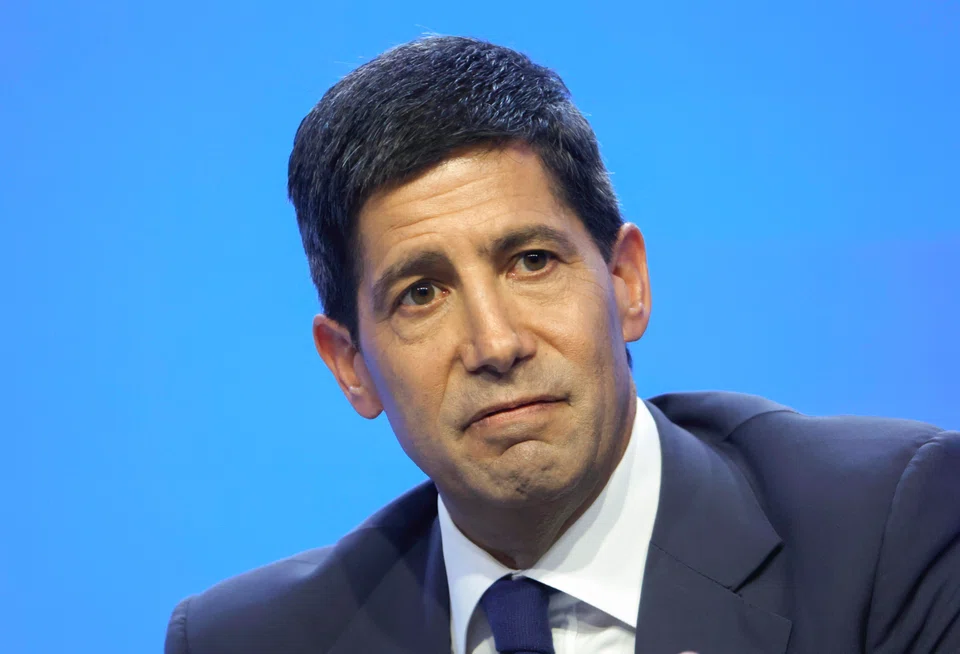
At the International Monetary Fund-World Bank annual meetings in Bangkok on Friday, Fed Chair Kevin Warsh offered no clues about future rate decisions, saying he does not “prejudge meetings”.
“I don’t think there is enough support in (the) committee, particularly from the governors, for a rate hike in October. It still leaves December an unanswered question, and there is a lot to happen between now and then,” said John Velis, Americas macro strategist at BNY in New York.
Euro area fiscal risks still in focus
Fiscal risks in France remained in the background after the jump in the French debt risk premium in early October.
The euro was last up 0.08 per cent to US$1.1227 after climbing 0.56 per cent on Thursday in its biggest daily rise in two months, putting it on track for a 0.23 per cent weekly gain last week.
Investors expect US President Donald Trump to steer clear of any escalation in the Middle East or Ukraine, as a broader conflict could hurt his standing ahead of midterm elections by fuelling inflation.
Against the yen, the dollar slipped 0.08 per cent to 158.11, leaving the Japanese currency on track for a 0.13 per cent weekly rise last week after dropping for four consecutive weeks as the Iran conflict supported the greenback.
Higher oil prices recently have been boosting the dollar while weighing on the currencies of energy-importing countries, such as those tied to the euro and yen.
BOJ governor Kazuo Ueda on Friday reiterated the risks of underlying inflation overshooting the central bank’s 2 per cent target. REUTERS
Decoding Asia newsletter: your guide to navigating Asia in a new global order. Sign up here to get Decoding Asia newsletter. Delivered to your inbox. Free.
Share with us your feedback on BT's products and services
TRENDING NOW

Could stablecoins be the future of money?

Vietnam’s northern provinces, not Hanoi or Ho Chi Minh City, are powering near 10% GDP growth

The Assembly Place expands beyond co-living as it targets 10,000 keys by 2030

Once staunchly pro-China, Malaysian Chinese businesses are now distancing themselves from Beijing

