Hong Kong exchange tightens rules to avoid auditor shopping
The move effectively closes a loophole that allowed boards to pressure auditors into resigning without immediate shareholder oversight
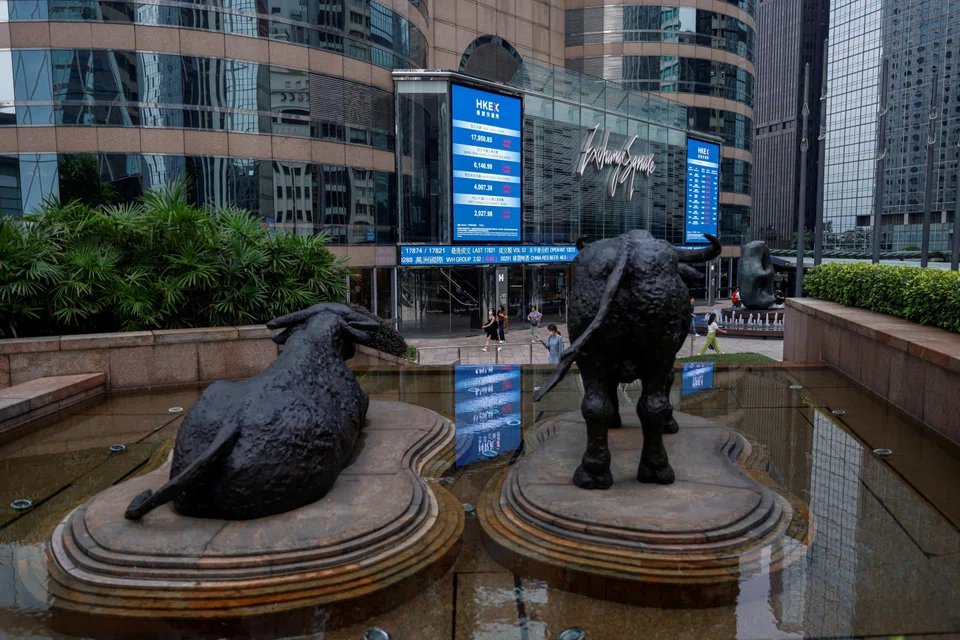
[HONG KONG] Hong Kong-listed companies must now obtain shareholder approval to change auditors, part of a regulatory push to bolster corporate governance and transparency in the US$7.5 trillion market.
In updated guidance issued late Friday (Apr 17), Hong Kong Exchanges and Clearing mandated that firms appoint or remove auditors only at general meetings. The bourse also required companies to disclose specific audit fees or ranges to prevent fee disputes from being used as a pretext for dismissal.
The move effectively closes a loophole that allowed boards to pressure auditors into resigning without immediate shareholder oversight. Under the new rules, any action by a company that triggers an auditor’s resignation will be treated as an active removal, necessitating a formal vote.
The tightening comes as regulators crack down on opinion shopping, a practice where companies pressure auditors to quit near year-end deadlines to appoint a more compliant replacement via a casual vacancy.
The Securities and Futures Commission (SFC) has said that late-stage resignations are significant red flags for governance and internal control failures. In a recent review, the SFC found that auditors at 89 companies resigned within four months of annual results deadlines, 66 of them citing fee disagreements.
While financial fraud remains relatively rare in Hong Kong, the city is sharpening its scrutiny of corporate quality to lure investors back following a multi-year slump in listings.



The regulatory climate has shifted significantly following the collapse of China Evergrande Group. Its founder, Hui Ka Yan, pleaded guilty last week to bribery, embezzlement, and fraud. Beijing accused the developer of inflating revenue by more than 560 billion yuan (S$105 billion). Its auditor, PricewaterhouseCoopers, was subsequently fined and suspended in China for six months.
The stakes for timely disclosure remain high. Under local listing rules, a failure to publish audited financial statements results in an automatic trading suspension.
This year, 39 firms halted trading after missing the end-of-March deadline. While still a point of concern for regulators, it marks the lowest level of suspensions since 2023, when pandemic-era travel restrictions created a massive backlog in audit fieldwork. BLOOMBERG
Decoding Asia newsletter: your guide to navigating Asia in a new global order. Sign up here to get Decoding Asia newsletter. Delivered to your inbox. Free.
Share with us your feedback on BT's products and services