Inflation, energy, markets: What’s next after US-Iran peace deal
Despite the MOU, which includes a US$300 billion fund, analysts say uncertainty still lies ahead
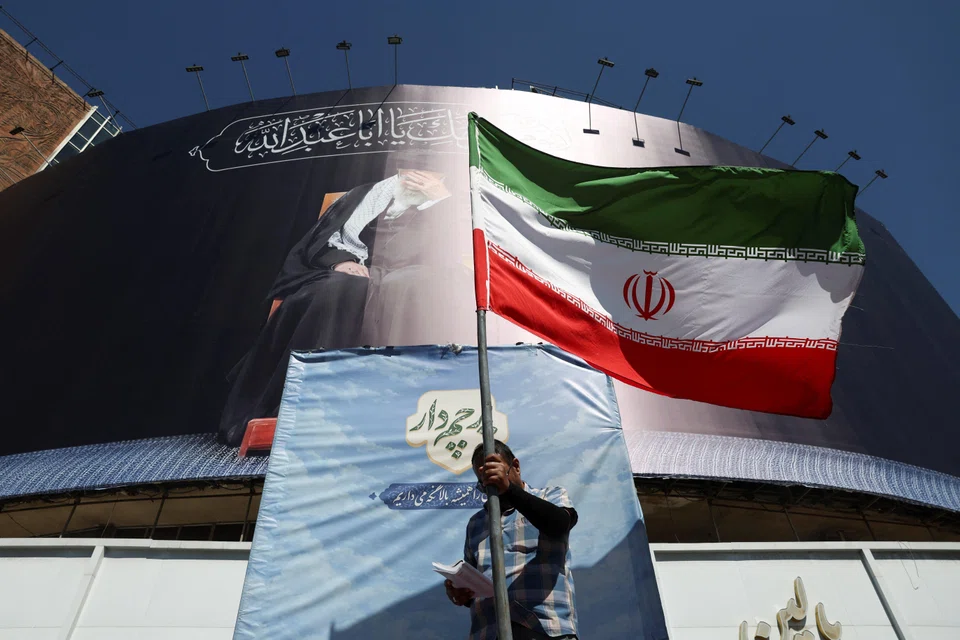
[SINGAPORE] The US and Iran have agreed to an interim peace deal, both countries said on Thursday (Jun 18), after a months-long conflict that started in late February.
Both agreed to the “immediate and permanent termination” of military operations on all fronts, The New York Times reported, citing a readout of the memorandum of understanding (MOU).
The US and Iran said they will commit to negotiating and achieving the final deal in 60 days, although US officials acknowledged the time frame is ambitious. It would, however, place a potential final deal before the US midterm elections.
“Immediately upon the signing of this MOU, the United States of America will begin the removal of its naval blockade and any disturbances or impediments against the Islamic Republic of Iran, and will fully end the naval blockade within 30 days,” the agreement read, according to The New York Times.
“During this period, the traffic of vessels will be in proportion to the numbers of pre-war traffic being restored by the Islamic Republic of Iran. The United States of America further undertakes to remove its forces from the proximity of the Islamic Republic of Iran within 30 days after the final deal.”
Despite the deal, which includes a US$300 billion fund, analysts believe uncertainty still lies ahead.
Here is what may happen next for key issues, after the war drove up energy prices and inflation, and disrupted supply chains for a wide variety of goods.
Strait of Hormuz
One immediate question is what will happen to the Strait of Hormuz, the major waterway which has been blocked as a result of the conflict.
In normal times, it carries about a fifth of global oil supply. Oil prices have reacted by surging to highs.
SEE ALSO


The interim deal included the full resumption of maritime traffic “with no charge” in the Strait of Hormuz, with oil prices falling on prospects for its reopening.
William Blair Investment Management’s Olga Bitel and Alexa Davis on Thursday said their “base case” aligns with market expectations that traffic through the strait will likely resume shortly, allowing the 60 days needed to rebuild global oil and gas stockpiles.
But Goldman Sachs expects oil flows through the Strait of Hormuz to recover to about 70 per cent of their pre-war level, it said in a Wednesday note.
Energy and inflation
A sharp fall in oil prices following the deal has seen energy-related inflation risks fade, but does not “automatically bring about a clear disinflationary backdrop”, said Schroders on Thursday.
With energy flows, shipping insurance, inventories, refinery logistics and geopolitical risk premiums expected to take time to normalise, the inflation impulse could linger on, added the asset and wealth management company.
The William Blair analysts stated that broad inflationary pressures are also set to persist across supply chains that will likely affect corporate profit margins and revenues.
While less severe than the spikes in 2022 and 2023, these pressures will not be negligible.
Not only that, US tariff announcements are likely to make a comeback as the US administration pivots to a sounder legal basis for its economic policy tool, said the analysts.
“We expect more inflation and less growth than in the opening months of 2026,” they said.
However, Bitel and Davis noted this structural inflation could be partially offset by the tech sector, where aggressive price-cutting among top artificial intelligence model providers is expected to lower corporate operational costs.
In Singapore, the Energy Market Authority said on Thursday following the deal announcement that most households would still face a significant increase in electricity costs from the third quarter.
Still, lower crude prices persisting could help provide a negative contribution to the US consumer price index, giving its Federal Reserve flexibility to keep interest rates as they are – though cuts may be a step too far. Additionally, with the European Central Bank and the Bank of Japan hiking rates, global inflation could be kept in check.
“Fed that can stay on hold rather than hike can be supportive for rates and risk assets,” said Schroders. “However, the disinflationary path can still be bumpy, and we expect Treasury rates to remain broadly range-bound.”
William Blair forecast one scenario where a genuine agreement by early autumn could see oil and gas prices fall to pre-war levels or even lower.
“Gulf suppliers will likely rush to ship as much product as they can in the next several months,” it said.
Markets
Investors’ risk appetite has remained “exceptionally strong” even before the deal, according to Schroders. The SpaceX initial public offering was one of the strongest signs of AI and frontier technology enthusiasm, with its shares having shot up 19.2 per cent since its trading debut on Jun 12.
Morningstar’s director of equity research Lorraine Tan concurred, adding that global equity markets had largely recovered from the Iran war’s impact by end-March thanks to AI and technology stocks.
“This formal agreement is probably being met with limited reaction,” she said.
Still, she warned that it will take the rest of this year for oil prices to ease back to pre-war levels. As a result, upcoming earnings could be “ugly” for Singapore Airlines and its peers, “given the high cost of jet fuel”, though the second half of the year should show improvement.
William Blair analysts added that investors may trigger a “flight to safety if the US-Iran deal fails, causing the US dollar to appreciate. This would result in muted returns, higher volatility and markets that test the new US Federal Reserve chair’s rate plans.
But should the deal hold, the US dollar is likely to depreciate, potentially benefiting ex-US equity returns.
Geopolitical risks
Even if risks and impact from the Iran conflict ease, markets may yet be underestimating other geopolitical risks, said the William Blair analysts. That includes the issues of Greenland and Cuba, they said.
US President Donald Trump has controversially expressed his desire to acquire Greenland from Denmark, leading to high tensions. He has also escalated tensions with Cuba, blockading oil and fuel shipments to the country, as well as tightening sanctions.
“Trump after the midterms is likely going to be more interventionist,” said Anna Rosenberg, head of geopolitics for Amundi Investment Institute. She was speaking to reporters on the sidelines of the Amundi World Investment Forum, held on Jun 11 and 12.
“I think he’s going to focus more on the Western Hemisphere, though I think Latin America is top of his mind to reduce Chinese influence in Latin America as well,” she said, adding that Middle East tensions will still continue.
“I think Cuba is going to be top of mind. Greenland is still going to be top of mind for him.”
Decoding Asia newsletter: your guide to navigating Asia in a new global order. Sign up here to get Decoding Asia newsletter. Delivered to your inbox. Free.
Copyright SPH Media. All rights reserved.