

Stock market hits brick wall of Powell’s Fed policy
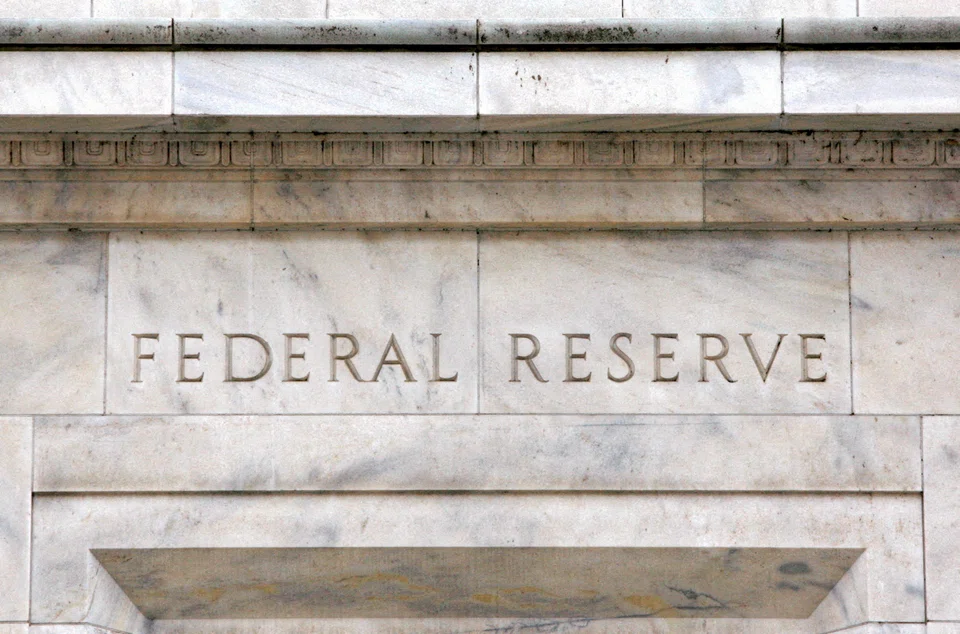
THE United States Federal Reserve and the country’s stock markets have been on a collision course all year, and the collision may just have happened.
Stocks fell sharply on Wednesday (May 3) after the Fed raised its benchmark interest rate to a 16-year high of between 5 per cent and 5.25 per cent, and left the door open to further rate hikes this year even as it hinted at a pause in June.
For much of 2023, speculators had placed bets that the Fed would slam the brakes on growth so hard with its drastic hikes that it would bring on a deep recession or a financial crisis and be forced to pivot to rate cuts before the year was out.
Arguably, the financial crisis is already afoot, with the implosion of First Republic Bank, and now, possibly, PacWest Bancorp, following similar bank runs at Silicon Valley Bank and others. But Fed chairman Jerome Powell is unmoved.
“Powell won’t blink,” said Gina Bolvin, president of financial advisory Bolvin Wealth Management Group, in an e-mailed statement. “However, the market is pricing in rate cuts by the end of the year, so the tug of war between the two – Powell and investors – continues.”
While the Fed omitted the explicit reference to further hikes that has appeared in all recent communications, Powell used his press conference to sound his usual battle cry: inflation, he warned, was still a threat, and he would not rest until it was eradicated.
The bulls had bet he would point to conclusive evidence that inflation had peaked; instead he warned that progress was tentative.
The bulls had bet Powell would sound cautious notes about the recent wave of bank runs; instead, he expressed confidence in the stability of the banking system.
Fed funds futures markets are still pricing in rate cuts during the balance of the year. But the stock bulls fled in the face of Powell’s resolve. Even the pause at the next meeting in June is not a guarantee.
Should regional bank stress stabilise, labour markets stay tight, and inflation stay elevated, a rate hike in June could become appropriate, said strategists at brokerage Bank of America Global Research in a note to clients.
Powell has never wavered from his staunch anti-inflation position, except in the vivid imaginations of the bulls, said JJ Kinahan, chief executive of IG North America, parent of brokerage Tastytrade.
The vast gap between market expectations for the rate path and the Fed’s “dot plot”, which does not show any hikes this year, will have to be closed somehow. The sell-off on Wednesday may be the beginning of that closure.
“From a tactical perspective, we think market-implied pricing for policy easing later this year has room to unwind further,” said Whitney Watson, co-chief investment officer of fixed income and liquidity solutions at Goldman Sachs Asset Management, in a note to clients.
There are signs that economic growth remains hot enough to perpetuate inflation.
On Wednesday, for example, a survey of private employers showed surprisingly strong growth. Utilities such as Exelon, food processors such as Kraft Heinz, and consumer-products makers such as Procter & Gamble passed on sharp price increases to consumers in the first quarter.
One inflation risk has moderated, according to the central bank. “Wage increases have been moving down to more sustainable levels,” said Powell at the press conference.
Strategists at money manager Schroders outlined three scenarios for the interplay of Fed policy and the US economy in the coming months: “The Good, the Bad and the Ugly”.
The good would be a soft landing, where “economic growth slows, but to a sustainable rate without experiencing recession or financial crisis”, Schroders said.
The bad would be a hard landing, where “the cure risks killing the patient” – the wave of bank failures that rate hikes brought on in March would continue, but inflation moderates due to a recession.
The ugly would be a re-acceleration of inflation, forcing the Fed to raise rates further.
None of these scenarios matches the world of interest-rate cuts and steady corporate earnings that stock bulls had envisaged, however. Equity markets may have just hit the brick wall of Jerome Powell’s central-bank policy.






