

Tencent dives after warning tech crackdown won’t end quickly
 Add BT as a preferred source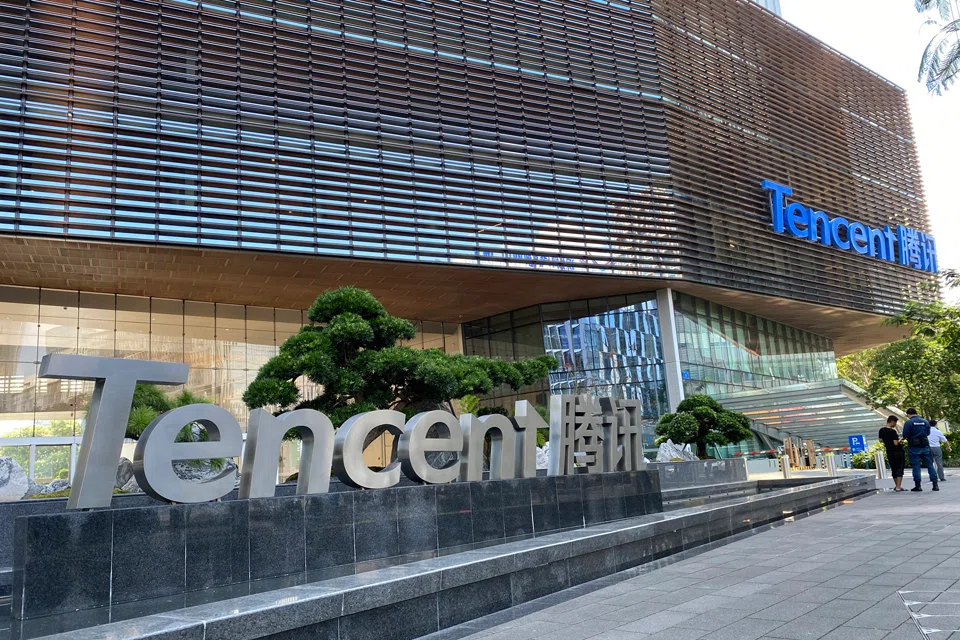
TENCENT slid more than 8 per cent after top executives warned it will take time for Beijing to act on promises to prop up the Chinese tech sector, suggesting the embattled industry may struggle to grow in the short term.
The comments from executives came after Tencent reported revenue growth all but evaporated in the first quarter, walloped by sweeping government restrictions as well as lockdowns across the country. The quarantining of much of Shanghai - the nation’s finance and media hub - obliterated commercial payments and may undercut advertising spending in the current quarter, they said, depressing big drivers of the social media giant’s business.
The disappointing numbers and downbeat assessment bode ill for an industry already struggling to come to grips with a new era of cautious expansion, after Beijing’s year-long clampdown campaign chilled every Internet sphere from e-commerce to gaming and fintech. Tencent slid as much as 8.4 per cent in early Hong Kong trading, while Baidu dropped 4 per cent and Alibaba Group lost 6 per cent.
“We can clearly see that from the most senior level, there’s a pretty clear signal of support released. But for this to translate into real impact on our business, there is going to be a time lag,” Tencent president Martin Lau told analysts on a conference call. “It would take the specific regulators and ministries to translate this direction into real action.”
Sentiment toward China’s internet industry has swung wildly in recent weeks. This week, investors initially seized on a pledge from economic czar Liu He to support the digital economy as a signal the crackdown is easing, or perhaps even coming to a conclusion. But Lau said it will take time for various regulators to formulate and enact policies in response to that sweeping endorsement. Shares in Prosus, Tencent’s largest shareholder, slid more than 4 per cent in Europe.
Bernstein analyst Robin Zhu called Tencent’s results “the one where almost nothing went right” in a post-earnings report. “Given the lack of new game launches and headwinds in advertising, and the impacts of various regulatory changes over the past year, Tencent’s Q1 earnings were widely expected to look weak,” he noted. “That said, a quarter where almost every line fell below consensus and our estimates still felt like a kick in the shins.”
Meanwhile, Tencent and its peers must continue to grapple with a range of headwinds that’s pushing growth to historic lows.
Tencent on Wednesday posted its slowest revenue gain since going public in 2004. Sales rose 0.1 per cent to 135.5 billion yuan (S$27.9 billion) for the 3 months ended March, missing the average forecast. Net income slid 51 per cent to 23.4 billion yuan, lagging estimates despite a big gain from the sale of stock in Singapore’s Sea Ltd.
Tencent has so far largely escaped direct scrutiny from Beijing, but not fallout from the broader clampdown and economic malaise. It’s shed roughly US$500 billion of market value since its 2021 peak, even as the company studiously endorses Beijing’s efforts to curb excesses in its once free-wheeling Internet sector.



Online advertising sales slid a worse-than-expected 18 per cent after contracting for the first time in the December quarter. The business has been battered by China’s weakening economy and competition against TikTok-owner ByteDance, while big marketers of past years including online tutors and insurers tightened budgets after falling victim to separate regulatory crackdowns.
Tencent’s bread-and-butter gaming division - the world’s largest - also barely expanded revenue. It’s still on the waitlist for new monetisation licences, after regulators last month approved the first batch of domestic releases since July. The company, expecting fewer gaming approvals in coming years, has already re-calibrated its pipeline to focus on quality over quantity, strategy chief James Mitchell said.
Given the new realities, executives said in March that international games, cloud software and WeChat’s video accounts will be their major strategic foci. But overseas gaming sales expanded just 8 per cent in constant currency terms, trailing the double-digit growth of previous periods, in part because of a tough comparison from a year earlier when the world was largely locked down.
“Like other companies operating outside of China, the post-Covid reopening dampener on games is real,” said Vey-Sern Ling, a senior analyst with Union Bancaire Privée. “Main takeaway is growth may be weaker for longer, at least until 2Q22, and then in the second half there is a chance for y-o-y comps to start looking better.”
Tencent’s fintech and cloud division has become its No 1 revenue driver. But its 10 per cent growth was also worse than expected after Covid lockdowns in cities like Shanghai and Shenzhen. Cloud revenue suffered a mild decline after the company cut loss-making contracts and ventured into services beyond infrastructure.
For now, the WeChat messaging app is still the payment and smartphone backbone of Tencent’s sprawling online empire, and it’s only going to shoulder a bigger role for money-making to try and offset struggling businesses like streaming and domestic games. In April, Tencent shut its game streaming platform and hiked fees for its Netflix-style service for the second time in about a year, as short-video rivals keep luring away users and marketers.
Just like Mark Zuckerberg’s Meta Platforms, Tencent is taking a leap into the virtual realm of the metaverse in the longer term. The Chinese company has revamped its aging social app QQ with customisable 3D avatars and Unreal Engine graphics, and is hiring developers to make open-world titles. But such endeavours, along with a steady pace of investment in overseas game studios, could pressure margins before they come to fruition. BLOOMBERG
Decoding Asia newsletter: your guide to navigating Asia in a new global order. Sign up here to get Decoding Asia newsletter. Delivered to your inbox. Free.
Share with us your feedback on BT's products and services
TRENDING NOW

Japan Home closing outlets; staff say Valu$ taking over operations
Marina Bay Sands casino’s winning streak puts pressure on rival Resorts World Sentosa

Father-and-son duo Raj Kumar and Kishin in exclusive due diligence to buy Scotts Square

When every phone becomes a satellite phone, what happens to Asia’s telcos?

