

US dollar slips from two-month high amid Iran talks, yen trades near 160
The US dollar index falls 0.2% to 99.23, from 99.56 in the previous session
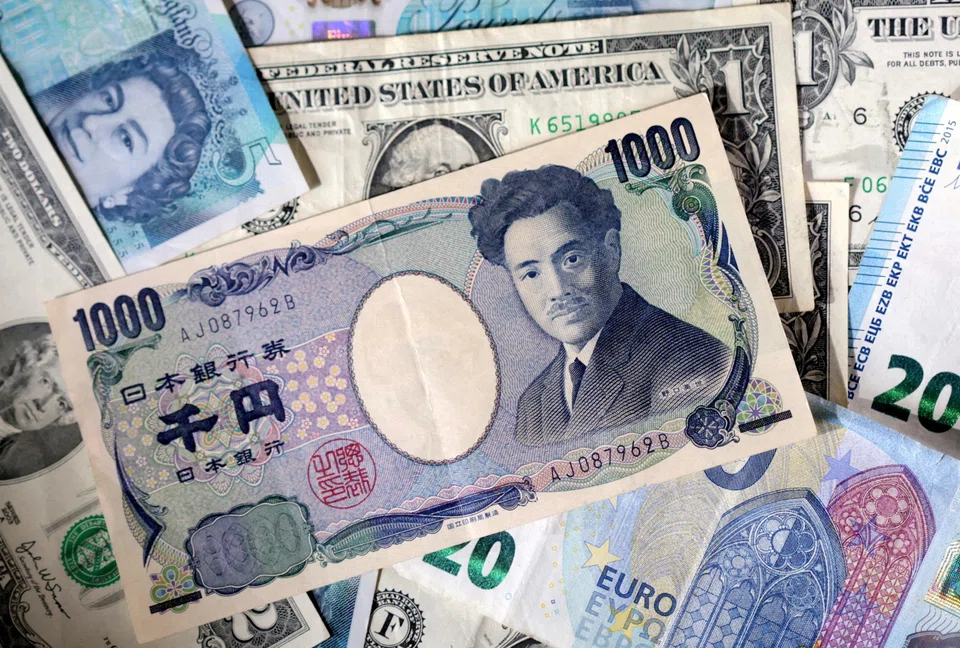
[HONG KONG] The US dollar slipped from a two-month high on Thursday (Jun 4) as optimism rose about a ceasefire in Lebanon, while markets were alert to the possibility of intervention as the Japanese yen hovered near the key 160 level.
Lebanese President Joseph Aoun said on Thursday that the ceasefire would come into force within 24 hours of all concerned parties approving it.
Iran has said a ceasefire in Lebanon is a key stage in advancing broader peace talks. Hezbollah, however, has not yet commented on the agreement.
The euro rose 0.3 per cent to US$1.164. A Reuters poll showed that the European Central Bank is set to raise its deposit rate to 2.25 per cent on Jun 11 to curb inflation. The British pound also climbed 0.3 per cent to US$1.346.
The US dollar index, which measures the greenback against major peers, fell 0.2 per cent to 99.23, down from a two-month high of 99.56 reached in the previous session.
Iranian attacks on Kuwait damaged its airport and injured dozens on Wednesday, while the US military carried out strikes near the Strait of Hormuz, complicating prospects for a diplomatic end to the war and lifting the safe-haven dollar.
“It’s hard to argue against dollar strength at this juncture,” said Francesco Pesole, currency strategist at ING.
“Data continues to paint a picture of resilience for the US economy,” he added, adding that doubts about the peace talks have boosted the dollar.
The risk-sensitive Australian dollar rose 0.2 per cent to US$0.714.
On the data front, a survey on Wednesday showed a measure of prices paid by US services businesses jumped to the highest level in nearly four years in May. This cements economists’ views that the US Federal Reserve would hold interest rates unchanged well into 2027.
The Japanese yen fetched 159.81 per dollar, rising from lows on Wednesday that pushed it past the critical 160-per-dollar mark for the first time since Apr 30, triggering verbal warnings from authorities.
The 160 level is widely seen in markets as a line in the sand for potential official intervention.
Bank of Japan governor Kazuo Ueda cemented a June rate hike in a narrative pivot towards inflation-fighting, as the Iran war-driven energy shock sharpens price risks and opens the door to more frequent increases in borrowing costs.
“The hawkish tone has strengthened further, including a clear expression of concern about behind-the-curve risk,” wrote Naohiko Baba, head of Japan research and chief Japan economist at Barclays. “We stick to our June rate hike call.”
Bitcoin hit a four-month trough of US$61,344, and was last 4 per cent lower at US$62,256. REUTERS
Decoding Asia newsletter: your guide to navigating Asia in a new global order. Sign up here to get Decoding Asia newsletter. Delivered to your inbox. Free.
Share with us your feedback on BT's products and services
TRENDING NOW

DBS, OCBC, UOB rout lops billions off STI as inflation, rate concerns spook investors

Grab CEO’s wife Chloe Tong on life with Anthony Tan and finding her purpose

OCBC sheds S$8 billion in value as shares close nearly 6% down; analysts cautious on banks

Deal between tycoon friends sparks scrutiny of Philippine power sector

