



Why China is tightening controls on overseas stock trading
The move has already rattled brokerages and investors, and could reshape how mainland Chinese access foreign market
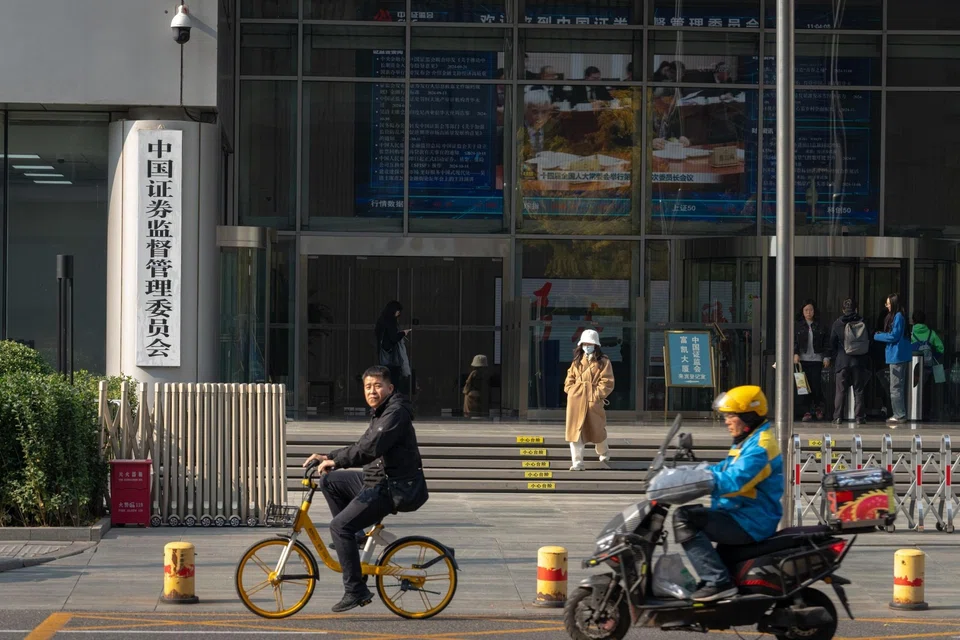
CHINA’S efforts to control capital outflows are colliding with growing demand from mainland investors for access to overseas stocks.
After an estimated US$1 trillion of unauthorised money left the country last year, authorities launched a sweeping crackdown on offshore trading platforms accused of helping investors bypass Beijing’s capital controls.
The move has already rattled brokerages and investors, and could reshape how mainland Chinese access foreign markets.
What are the rules around foreign stock trading?
Beijing has restricted outbound capital flows for decades to prevent sudden and large cross-border movements, particularly during periods when capital flight has threatened to drain foreign exchange reserves.
Individuals are subject to a US$50,000 annual cap on US dollar purchases, primarily intended for overseas travel, education and other non-investment purposes.
Local citizens and companies also face restrictions around converting renminbi into foreign currencies to trade securities overseas. Mainlanders are only able to invest overseas through special channels with stringent government oversight, such as the Southbound Stock Connect and the Wealth Connect programmes, which are designed for investment in certain stocks and other financial products in Hong Kong.
Another channel, the Qualified Domestic Institutional Investor programme, allows mainlanders to invest in global markets through mutual funds, while cross-border total return swaps are often used by institutions to trade overseas securities through brokers. Retail investors also have direct access to certain Hong Kong-listed shares through the Mainland-Hong Kong Mutual Recognition of Funds scheme.
Besides from using those approved channels, any overseas trading without approval from the China Securities Regulatory Commission and other regulators is considered illegal, and that’s the target of the latest crackdown.
How is Beijing cracking down on illegal overseas trading?
Since 2022, unauthorised overseas brokers have been banned from helping mainland Chinese investors open new trading accounts.


On May 22, eight government agencies launched a joint enforcement campaign threatening severe penalties for brokers that violated the rules. Authorities also barred such firms from engaging with onshore clients across the business chain, including marketing, fund settlements, and technical and customer support.
The CSRC is leading the effort, along with the National Financial Regulatory Administration, which handles consumer protection and supervises banks. The People’s Bank of China, the nation’s central bank, is also involved, as are the country’s Internet and information technology agencies.
Already three of the biggest, most active brokers in this space have been targeted in the crackdown: Futu Holdings and Long Bridge Securities, which are based in Hong Kong, and Singapore-based Tiger Brokers. The firms were fined a combined US$330 million for operating on the mainland without a license, and all “illegal gains” would be confiscated, the regulators said.
As a result of the crackdown, existing mainland clients can only sell positions and withdraw funds from banned brokerages; no new purchases or deposits are permitted. After two years, all related mainland-facing websites, apps, and servers must be fully shut down.
For now, Chinese nationals with permanent residency in Hong Kong and Singapore and those with investor or work visas are not being forced to close their trades.
Why is China cracking down on illicit overseas trading?
Illegal channels have allowed investors to circumvent China’s capital controls, which are designed to keep currency fluctuations in check and maintain financial stability. As with most economies that manage cross-border flows, China is wary of asset bubbles and the sharp crashes that often follow.
This recent crackdown comes after so-called hot money outflows – funds that circumvent capital controls – hit an estimated US$1.04 trillion last year, the most since data started being collected in 2006, according to an index compiled by Bloomberg Intelligence.
Authorities have also argued that these broker platforms undermine the central bank’s ability to monitor trading data. As a result, they say, illicit activity, such as money laundering or scams, can go undetected, while regulators have less scope to protect investors when disputes arise.
Beijing is also trying to steer capital back towards domestic markets. In 2025, authorities launched a sweeping tax collection drive targeting overseas capital gains and other foreign income.
How do investors bypass Beijing’s controls?
Even after overseas brokers were banned in 2022 from taking on mainland investors, loopholes appear to have persisted.
One of the simplest ways to bypass capital controls is through the US$50,000 annual foreign-exchange cap known as the “convenience quota”. Despite bank requirements for customers to sign pledges on the intended use of their funds, enforcement has been patchy and transfers that ultimately flow into offshore stock trading via apps such as Futu have gone unchecked.
To move larger sums abroad, some investors turn to underground banking networks despite decades of regulatory efforts to eliminate them. More than 100 such networks were shut down in a recent nationwide campaign. These channels operate by matching funds across borders: individuals pay a broker locally in renminbi, while an overseas partner provides the equivalent amount in foreign currency, bypassing the domestic banking system.
Another workaround involves purchasing an insurance policy issued by a Hong Kong-based firm using renminbi, then cancelling the policy to receive a refund in foreign currency.
What does it mean for investors and markets?
The immediate impact on the brokerages targeted in the crackdown was dramatic. Shares of Futu plunged 28 per cent in New York on May 22 after the measures were announced. The shares of Tiger Brokers’ owner Up Fintech Holding, dropped by more than a quarter. The wealth of Futu founder and CEO Leaf Li slumped by US$1.7 billion to US$4.7 billion in a single day, according to the Bloomberg Billionaires Index.
Chinese companies listed in New York – known as American Depositary Receipts, or ADRs – also came under pressure, with the Nasdaq Golden Dragon China Index falling after the announcement.
ADRs without Hong Kong listings may be especially vulnerable, as mainland investors have often relied on grey-market channels to buy shares in firms such as PDD Holdings, owner of Temu and Pinduoduo.
By contrast, many large Chinese firms, including Alibaba Group Holding, also trade in Hong Kong and can be accessed through approved programmes such as Stock Connect. The crackdown may therefore increase pressure on US-listed Chinese companies to seek listings closer to home.
The impact on Hong Kong stocks could be more limited. Citic Securities estimates mainland investors hold HK$200 billion (S$32.6 billion) to HK$250 billion of Hong Kong assets through Futu and Tiger’s trading apps, though only a fraction is invested in equities. By comparison, about HK$260 billion of shares changes hands daily in the city’s stock market. BLOOMBERG
Decoding Asia newsletter: your guide to navigating Asia in a new global order. Sign up here to get Decoding Asia newsletter. Delivered to your inbox. Free.
Share with us your feedback on BT's products and services
TRENDING NOW

Britain’s mansion tax shows the difficulty of targeting wealth

Once staunchly pro-China, Malaysian Chinese businesses are now distancing themselves from Beijing

The only common thing in S-E Asia is that we all eat rice: Cisco’s Asean president

Singapore data centre operator DayOne opts for US IPO at likely US$20 billion valuation

