China Aviation Oil says merger between parent and Sinopec not expected to impact business
Consolidation is not a restructuring of CAO but is taking place at the parent-entity level by the group’s controlling shareholder

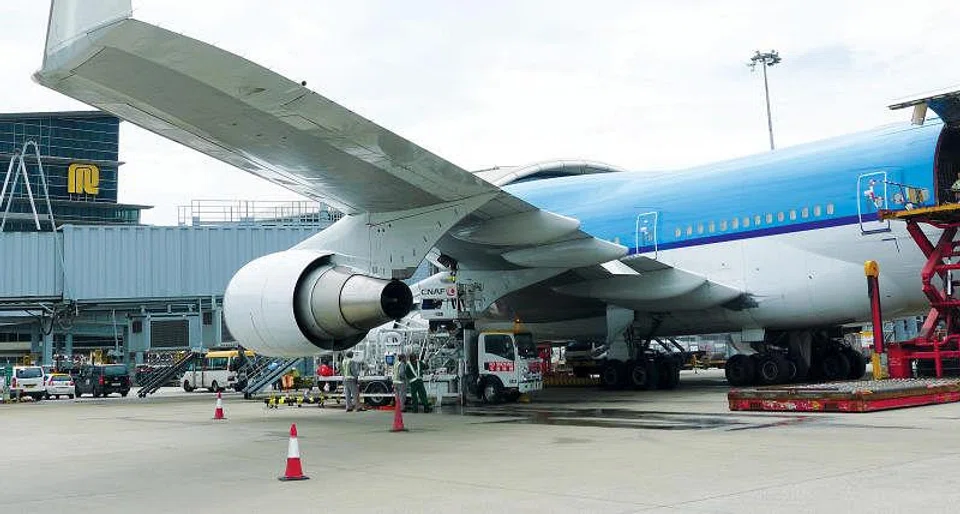
[SINGAPORE] China Aviation Oil (CAO) reiterated on Monday (Apr 20) that it does not expect the merger of its parent China National Aviation Fuel (CNAF) with Sinopec to have material impact on its normal business operations or those of its subsidiaries.
CAO added that the parties involved in the merger are carrying out necessary approval and filing procedures, in accordance with regulations. This was in response to shareholder queries ahead of its annual general meeting scheduled for Thursday.
The company, whose core business is in jet fuel supply and trading, added that it is cooperating with relevant aspects of the merger between its parent and the Chinese state-owned oil and gas firm.
Talk of the merger surfaced in November 2025, before it was confirmed by CAO in January. Sinopec is expected to absorb all of CNAF’s assets and operations if the exercise goes through, BT reported in January.
In response to a separate query on how the merger will impact its listing status, the company stressed that the exercise is not a restructuring of CAO. Rather, the merger is being executed at the parent-entity level by the group’s controlling shareholder, CNAF, which owns 51.3 per cent of CAO.
“The company will continue to monitor relevant developments in relation to the restructuring and fulfil its disclosure obligations as and when appropriate,” CAO said.
Measures to strengthen recurring earnings
To strengthen recurring earnings from its core jet fuel supply and trading business, CAO intends to continue developing the two strategic platforms of its global jet fuel trading and aviation marketing centres, while refining its global jet fuel supply chain network.
The group noted that the dual strategic platforms have enhanced its global resource allocation capabilities, as well as strengthened supply chain resilience and security, which provides a foundation for stable operations and sustainable growth.
As it expands into the new energy business sector, CAO said, it is optimising the physical supply chain for sustainable aviation fuel, as well as extending its generation and trading framework for carbon credits and scope 1 and scope 3 emissions.
These moves will facilitate improved coordination for the physical delivery of sustainable aviation fuel and provide associated carbon emissions reduction benefits. They will also optimise interactions between mandatory and voluntary frameworks to support the establishment of a mature and stable sustainable aviation fuel business model, the group said.
CAO said that it will monitor enhancements to the operations, management and deepening business cooperation with its key associate, Shanghai Pudong International Airport Aviation Fuel Supply Co (SPIA).
It added that it has continued to make active contributions to SPIA, as one of its main shareholders, and that it has supported and overseen various SPIA initiatives to jointly achieve business objectives and drive mutual growth.
Noting Shanghai Pudong International Airport’s status as an international aviation hub and potential tailwinds from the sustained recovery and continued rapid growth of China’s civil aviation industry, CAO said it remains “cautiously optimistic” about the overall outlook for 2026.
Sustainable aviation fuel business profit margins
The company said that it is premature to provide a definitive outlook on the trading margins of its sustainable aviation fuel business.
While it plans to grow the business in 2026, and eventually expects it to become a contributor to profit growth, the business’ medium-term profit margins could remain “significantly influenced by uncertainties such as market conditions, policies, supply chains and costs”, CAO said.
“The company will continue to seek opportunities to expand the scale of its (sustainable aviation fuel) supply business,” said CAO.
It added that all its overseas subsidiaries have renewed and obtained the necessary 2025 certifications to lay a foundation for expansion into the global green aviation market.
Decoding Asia newsletter: your guide to navigating Asia in a new global order. Sign up here to get Decoding Asia newsletter. Delivered to your inbox. Free.
Copyright SPH Media. All rights reserved.