Recession fears, higher interest rates and rise of lab-grown gems will weigh on diamond prices in 2023
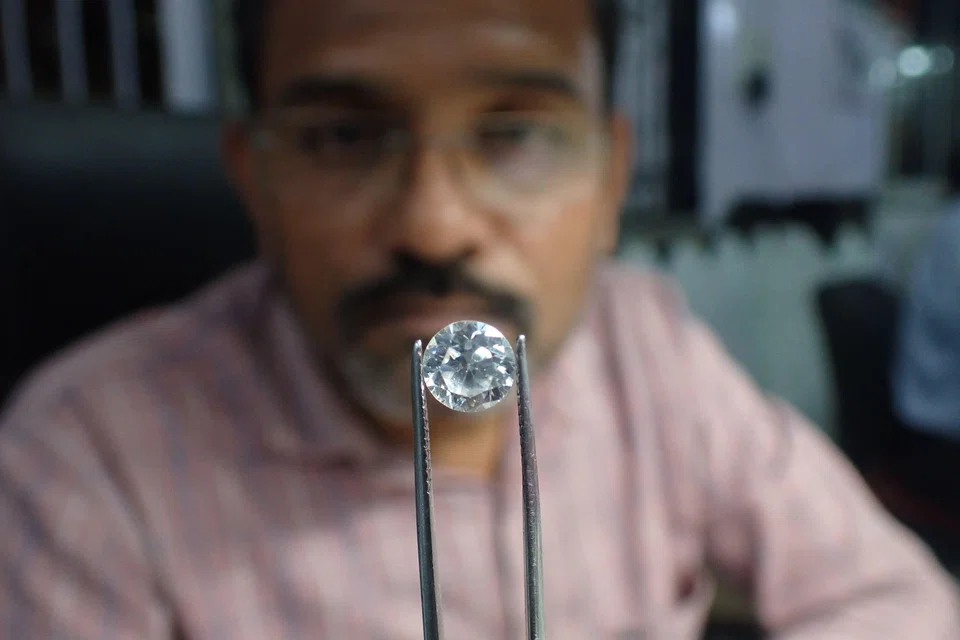
[LONDON] From miners and cutters to jewellers and designers, participants in the global diamond industry are increasingly worried about the sector’s prospects this year.
They cite several reasons for this pessimism. First, there are worries on how the likely economic recession, higher interest rates and a weaker US dollar will impact the demand for diamonds.
Second, there is still a big question mark about whether sanctions will be tightened against Russia, the world’s biggest diamond producer. As things stand, the US has placed Alrosa – Russia’s main producer of diamonds – on its sanctions list, and this has made it more difficult to import the gems, with more consumers wary of the source of the diamonds that they purchase.
And third, there is the rapid growth of the lab-grown diamond market which is fast eating into the market share of the jewellery market.
De Beers, the South African company that is the world’s largest producer and distributor of diamonds, said last month in a report that it “remains cautious” about the year ahead despite the market uncertainty.
Compared with the same month a year ago, De Beers’ January 2023 rough diamond sales tumbled by 32 per cent from US$660 million to US$450 million. De Beers holds 10 sales, known as “sights”, each year and the average sight in 2022 pulled in US$567 million, up from US$482 million in 2021.
Although the turnover from jewellery sales during the recent Christmas and New Year period was relatively buoyant, De Beers’ chief executive officer Bruce Cleaver noted at its January sale that diamond dealers were cautious about the macroeconomic outlook, with China’s economy still recovering from the impact of its nearly three-year Zero Covid policy.
According to 2021 data from De Beers, China is the largest market for polished diamonds outside of the US, accounting for 11 per cent of the market.
Polished diamond inventories continued to build in the fourth quarter of 2022 as retailers restocked, and this led to a downward pressure on wholesale polished diamond prices, said De Beers in a February production report.

Over in India, diamond manufacturers in Surat – the world’s largest diamond polishing centre located near Mumbai – are currently working at 60-70 per cent capacity and only four to five days each week, said Vipul Shah, chairman of India’s Gem & Jewellery Export Promotion Council.
As tensions between the US and China have grown, India’s diamond exports have fallen and some 20,000 diamond cutters in Surat were laid off in January due to lack of work, said the Indian Diamond Workers Union.
The global diamond market can be compared to a pipeline.
Paul Zimnisky, the head of Diamond Analytics, an independent consultant, estimates that sales of rough natural diamonds at the beginning of the pipeline totalled US$16.6 billion in 2022, with sales of polished gems coming in at US$29.3 billion. At the end of the pipeline, global diamond jewellery turnover was US$88.7 billion last year with the US accounting for about half that amount.
As for man-made diamonds, Zimnisky reckons that these have already breached 10 per cent of global jewellery sales last year. The upside, however, is that these lab-grown diamonds will help to supplement the natural diamond market in the long run. Supplies from ageing mines are falling and this will underpin the prices of natural diamonds, said Zimnisky.
Global mine production fell to around 120 million carats in 2022 (from 150 million carats in 2017), with only 60 per cent graded at gem and near-gem quality.
Decoding Asia newsletter: your guide to navigating Asia in a new global order. Sign up here to get Decoding Asia newsletter. Delivered to your inbox. Free.
Share with us your feedback on BT's products and services