

UK’s biggest retailers cut 18,000 jobs amid rising taxes and wages
Massive layoffs show how the Labour government’s tax hikes are hitting the British’s top employers
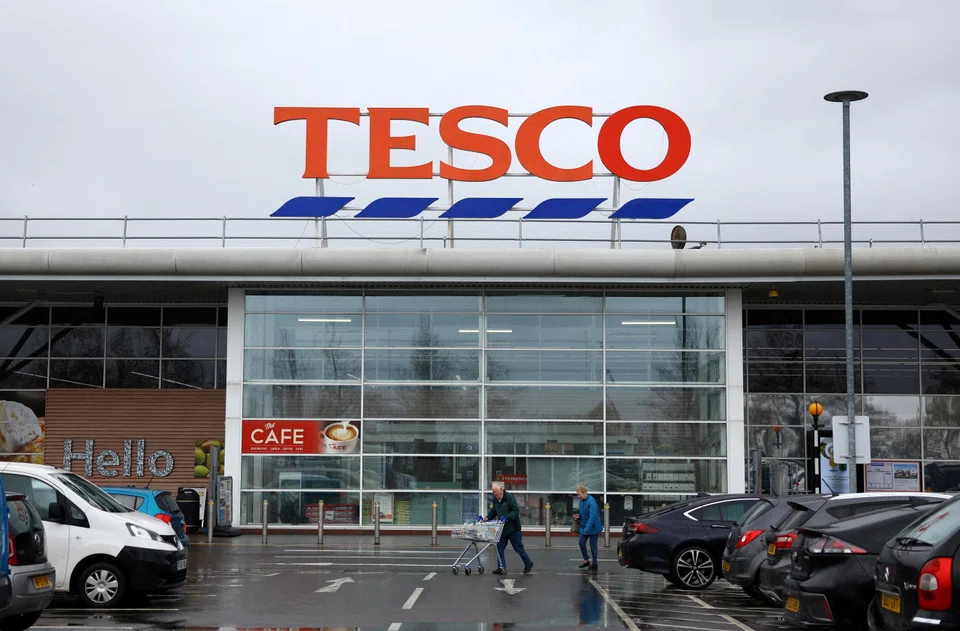
[LONDON] Britain’s largest retailers have shed almost 18,000 jobs in the past year, as the industry grapples with higher taxes and wages since Labour came to power.
The job losses were led by Tesco, the UK’s largest grocer, which saw its UK and Ireland headcount drop by nearly 5,000 in its latest financial year.
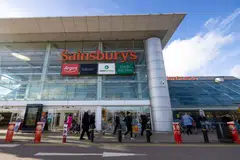
Meanwhile, rival supermarket chain J Sainsbury, department store group John Lewis Partnership and B&Q owner Kingfisher all saw their average employee counts fall by around 3,000 over the past year, Bloomberg News analysis of annual reports published in recent months shows.
The scale of the losses underscores warnings from industry leaders that Chancellor of the Exchequer Rachel Reeves’ tax increases are reshaping one of the country’s largest employers. The government raised national insurance contributions, a payroll tax, in April last year, when it also boosted the minimum wage.
“Retailers are facing significant cost pressures from higher national insurance contributions, rising wage bills and continued global instability,” said Helen Dickinson, chief executive officer of the British Retail Consortium. “That pushes up costs across supply chains, leaving many businesses more cautious about hiring.”
The government has “the right economic plan to stabilise the economy and deliver support for families and businesses”, a Treasury spokesperson said, touting a £2.5 billion (S$4.3 billion) youth employment support package. Increasing the minimum wage boosts pay for more than 200,000 young workers, he added.
Other retailers also slimmed down their workforces. Homewares and clothing retailer Next and sportswear seller JD Sports Fashion each reported their employee numbers falling by roughly 1,500. Marks & Spencer’s average employee count was relatively unchanged.
In total, the retailers shed nearly 18,000 staff. By contrast, they increased their workforces a year earlier. They declined to comment.
There is growing concern over the number of unemployed young people in the UK. More than one million 16- to 24-year-olds were not in employment, education or training in the first quarter of the year, the highest since 2013, figures from the Office for National Statistics showed last week.
SEE ALSO






High street jobs are considered one of the main ways for young people to get their foot on the employment ladder. But retailers are warning that higher taxes and salaries are making it more difficult to create vacancies, particularly for part-time jobs. The minimum wage rose again in April.
“There has rarely in the history of M&S been a time where the regulatory environment has been less friendly to growth and investment and our tax burden increased substantially in the year,” chairman Archie Norman wrote in its annual report published this week.
Firms are also facing stricter rules on packaging, recycling and food safety.
Other retailers are considering whether to follow suit.
Discount retailer B&M European Value Retail is planning to cut jobs after facing higher employment costs linked to government decisions, chief executive officer Tjeerd Jegen said in a phone interview on Wednesday.
In the past year, though, the company’s headcount rose as it opened more stores, he said.
Many businesses are making do with fewer staff, even as they expand. Tesco, for example, added 83 stores in the UK and Ireland over the year and increased its store space in the region.
Some listed retailers have different financial year-ends so won’t publish their annual reports for some time.
Others, such as supermarket chains Asda and Morrisons, are privately owned and aren’t required to file annual reports so soon after their year-ends. Those grocers declined to say whether they had cut jobs over the period. BLOOMBERG
Decoding Asia newsletter: your guide to navigating Asia in a new global order. Sign up here to get Decoding Asia newsletter. Delivered to your inbox. Free.
Share with us your feedback on BT's products and services
TRENDING NOW

Two Singapore-listed palm oil firms named in Greenpeace report on Indonesian plantation fires
Singapore Airlines flight returns to San Francisco after ‘unruly’ passenger incident

Singapore looking into which companies responsible for haze-causing fires: PM Wong
Deluge IPO 3.86 times subscribed ahead of SGX debut

