

UK employers cut hiring and post fewer jobs in April
The drop is the biggest since the Covid-19 pandemic started in May 2020, the Office for National Statistics says
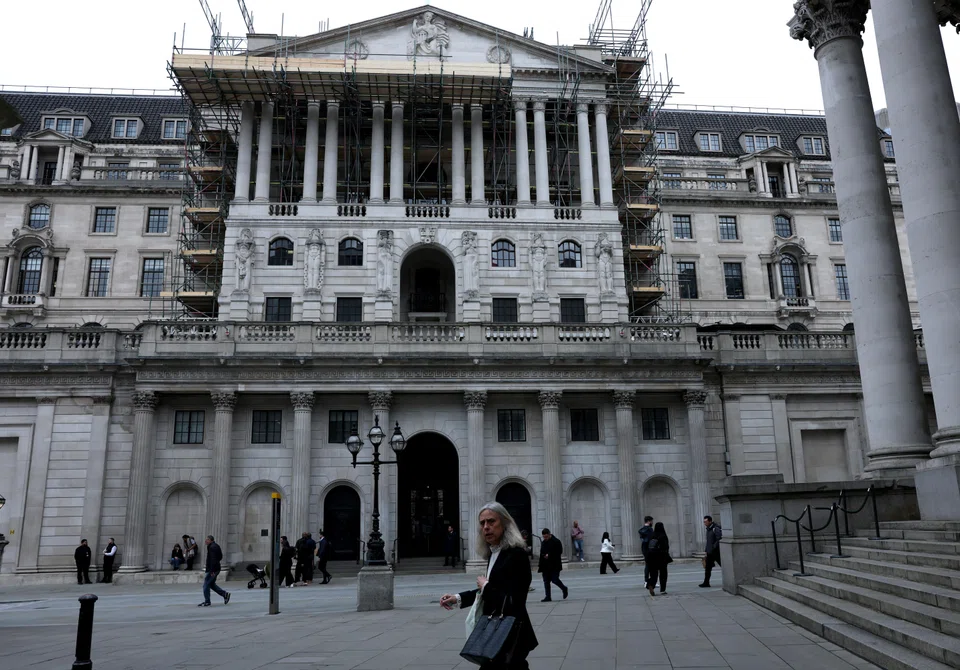
[LONDON] Britain’s employers reined in their hiring and posted fewer job vacancies in April, data published on Tuesday (May 19) revealed.
It added to signs of the Iran war’s impact on the economy.
Early payroll data from the tax office showed a heavy fall of 100,000 in April, compared with March.
The Office for National Statistics (ONS) said the drop was the biggest since May 2020, at the start of the Covid-19 pandemic, but stressed that the figures were likely to be revised.
Such data is prone to revision, especially around the start of the tax year in April.
The figures also showed a weakening picture since the end of 2025, with estimates for the previous four months revised down.
ONS director of economic statistics Liz McKeown said lower-paying sectors, such as hospitality and retail, had some of the largest falls in payroll numbers and vacancies in 2025 and the most recent data.
Employers have complained that higher payroll taxes and a government reform to give workers more rights have made hiring more expensive for them.
Jack Kennedy, senior economist at jobs platform Indeed, said: “The latest figures point to a labour market feeling the strain.



“The UK economy saw surprisingly robust growth in the first quarter, but the Iran conflict is set to weigh heavily over coming quarters, further constraining hiring demand. A volatile domestic political backdrop adds uncertainty that businesses could do without.”
Companies concerned about economic outlook
Prime Minister Keir Starmer has come under heavy criticism from within the governing Labour Party, after it suffered heavy losses in local and regional elections on May 7.
He looks set to be challenged as Labour’s leader, raising questions about the direction of Britain’s government at a time when the Iran war is also hitting the economy.
Surveys of businesses in April showed companies were concerned about the economic outlook and inflationary pressures caused by the conflict, and they planned to cut hiring.
Tuesday’s ONS data showed vacancies fell to 705,000 in the three months ended April, from 712,000 in Q1 of 2026.
It is also the lowest number since the three months ended February 2021.
The figures showed that the growth in British wages, excluding bonuses, stood at 3.4 per cent in the first three months of 2026 compared with the same period last year – in line with the median estimate from a Reuters poll of economists.
When adjusted for inflation, average weekly earnings excluding bonuses are shown to have increased by only 0.3 per cent annually in the three months ended March – the weakest growth since the three months ended July 2023.
The Bank of England (BOE) has been monitoring wage growth closely, as it tries to assess the level of inflation pressure in the economy.
A surge in energy prices since the start of the Iran war has added a new inflation concern for the central bank.
However, several BOE policymakers said they believe the wage growth slowdown since early 2025 is likely to continue, due to the war’s impact on hiring by employers and on the broader economy.
Britain’s unemployment rate – which is derived from a survey that the ONS is still working to improve – ticked up to 5 per cent in Q1 of 2026 from 4.9 per cent in the three months ended February.
While the number of employed people rose by 148,000 in Q1 – far more than forecast – the growth was entirely down to rising numbers of self-employed.
The number of employees dropped by 53,000. REUTERS
Decoding Asia newsletter: your guide to navigating Asia in a new global order. Sign up here to get Decoding Asia newsletter. Delivered to your inbox. Free.
Share with us your feedback on BT's products and services
TRENDING NOW

Once staunchly pro-China, Malaysian Chinese businesses are now distancing themselves from Beijing

Looking beyond looming CEO succession, should UOB potentially pursue a transformative merger?

Could stablecoins be the future of money?

Grab CEO’s wife Chloe Tong on life with Anthony Tan and finding her purpose

