Venture builder NeoSci Ventures raises S$70 million for inaugural biotech fund
The plan is to back up to 12 biotech companies, combining investment with hands-on support

[SINGAPORE] Biotech investor NeoSci Ventures (NSV) has raised S$70 million in the first close of its inaugural institutional venture fund, and plans to invest in up to 12 biotech companies globally.
The Singapore, Taiwan and US-based fund, backed by investors including Singapore’s EDBI and Taiwan’s National Development Fund, will target emerging therapies and technologies globally, the company said on Tuesday (Nov 3).
Other limited partners include Taiwan-listed Catcher Technology and Singapore-based property group Crescendas Group, alongside family offices and entrepreneurs.
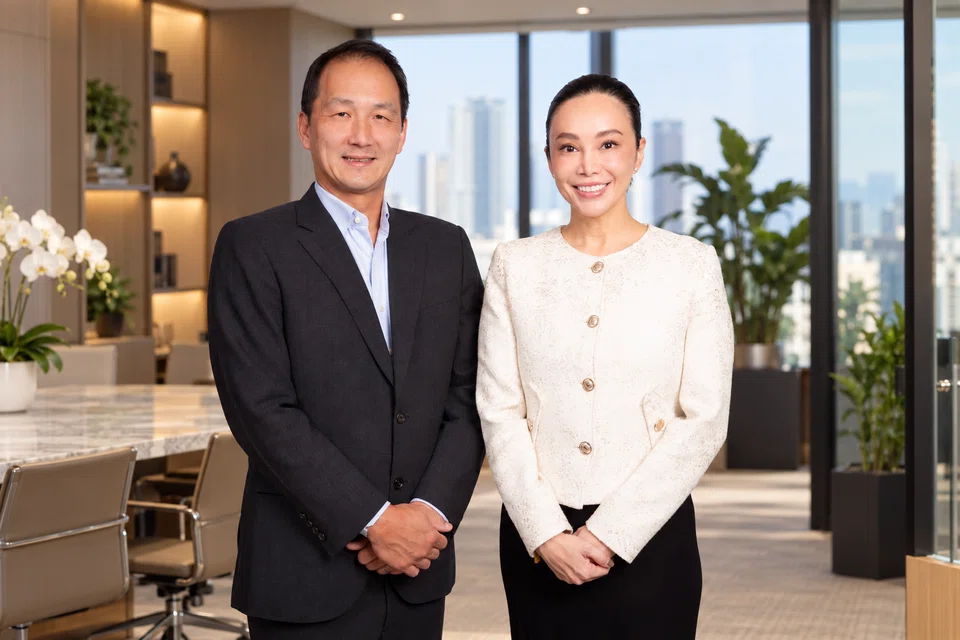
Daphne Teo, founding managing partner of NSV, told The Business Times in an interview that the venture builder will focus not only on funding promising biotech startups, but also on taking a more involved role in the companies’ growth from an early stage.
This involves identifying promising science, assembling management and scientific teams, and providing operational support to build companies from scratch, NSV said.
Unlike conventional venture capital firms, it may also take on founder, board or executive roles in its portfolio companies in their early years.

“Turning great science into successful companies requires more than just capital,” said Teo. “We want to bring together the right scientific and management teams, then create companies and invest in them.”
Dr Timothy Lu, founding chief scientist at NSV, said the hands-on approach is particularly important, given the inherent uncertainties in the biotech space, such as in drug development.
“Ultimately, drug development continues to be (a space) that’s not 100 per cent predictable,” he said. “You can do everything right, but at the end of the day, if the science was wrong from the beginning, it doesn’t work out.”


Being involved in the growth and governance of these companies from an early stage allows the fund to manage its risk capital more effectively, he noted.
Both founders told BT they have been investing in the biotech space for 15 years, co-founding more than 30 companies – including 10 public listings and acquisition exits – largely through their own personal vehicles.
Renewed momentum
The founders noted that the biotech industry has seen renewed momentum in both initial public offering and mergers and acquisitions (M&A) deals in recent years.
“This is good timing for us to be entering the market,” said Dr Lu.
Teo added that NSV’s limited partners are increasingly open to investing in the biotech industry – even with the industry’s reputation for lengthy research and clinical trials timelines.
These timelines do not always align with investment schedules, she said. Many investors in biotech startups are able to reach exit deals through M&A or licensing agreements with larger pharmaceutical companies, or through IPOs – which can all take place before Phase 3 clinical trials or commercialisation.
NSV said the fund will invest globally, focusing on identifying promising therapeutics and technologies that can address gaps in the pharmaceutical industry. Teo said that it has already invested in two companies.
“We definitely want to work backwards from what the industry needs,” said Dr Lu. These include opportunities in oncology, autoimmune diseases and metabolic diseases.
He added that NSV’s team maintains deep networks with the biotech ecosystems in the US and Asia, which the fund intends to tap for advisory and due diligence roles.
Its team is also behind NSG BioLabs, a co-working laboratory platform serving around 70 biotechnology companies and multinational companies in Singapore. NSV said the platform provides startups with access to laboratory infrastructure and partnerships with major pharmaceutical companies.
Ultimately, the founders noted that Asia’s potential within the biotech space remains ripe with opportunities.
This includes Singapore’s biotech industry, which Teo said remains relatively nascent.
Yet, the Republic’s strong talent pool and research institutions are significant advantages that the industry should take advantage of, she said.
“There’s a ton of innovation in Asia that is underutilised,” Dr Lu added.
Decoding Asia newsletter: your guide to navigating Asia in a new global order. Sign up here to get Decoding Asia newsletter. Delivered to your inbox. Free.
Copyright SPH Media. All rights reserved.