

World Gold Council expects gold demand to remain flat in 2022
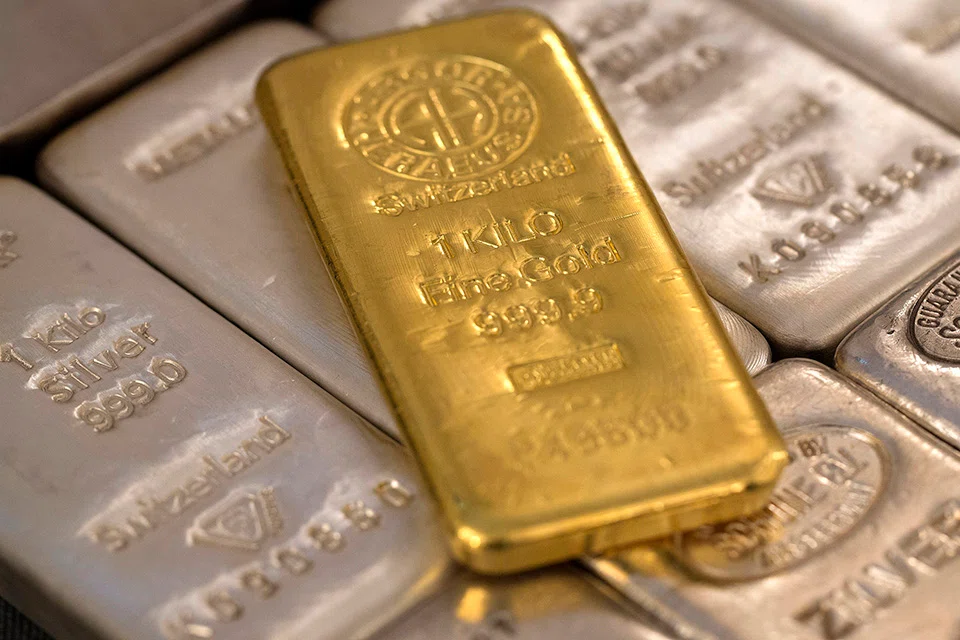
THE demand for physical gold softened in the second quarter of 2022, with the London-based World Gold Council (WGC) downgrading its full-year look as it sees demand staying relatively flat by year’s end.
According to the council’s second-quarter trends report released this week, global demand for gold in the second quarter fell 8 per cent year-on-year to 948 tonnes. Overall, the first half of the year saw demand coming in at 2,189 tonnes - a 12 per cent increase compared to the same 6-month period in 2021.
On the whole, the council said the outlook for the precious metal in the next few months will be heavily dependent on the 2 biggest consumers - China and India - to counter weaker investment demand.
From its March 2022 peak when it matched the 2020 all-time high of US$2,075 an ounce, the price of gold fell 19 per cent to a year-to-date low of US$1,679 on July 20. This was largely due to a stronger US dollar and rising global interest rates, but the recent downward correction of the greenback helped move the price up slightly to US$1,745 an ounce on Thursday (Jul 28).
Over the years, demand for gold in China, India and the rest of Asia have largely countered a steady decline in investment demand in the West. The purchases by central banks have also played a role. The latest report by the WGC showed, however, that this balancing factor isn’t quite working this year, especially with the impact caused by the ongoing Ukraine war. The Covid-19 pandemic, the fluctuations of the US dollar, tighter Western monetary policies, and the sale of risk assets by both investors and speculators have all contributed to a weakening of gold prices. “Looking ahead, we see both threats and opportunities for gold in the second half of 2022,” said Louise Street, Senior Analyst at the WGC. “The safe-haven demand will likely continue to support gold investment, but further monetary tightening and continued dollar strength may pose headwinds.” Due to economic weakness and the global cost-of-living crisis, consumer gold demand “will likely soften, although there should be pockets of strength”, she added. Key examples include demand from India, which was up 49 per cent to 170.1 tonnes in the second quarter of 2022 compared with the same period last year. Weddings and festival sales helped boost second-quarter consumption but the massive year-on-year increase was mainly due to a low base from the same period last year.
Gold consumption in India could see a further hit in the coming months, especially given how the greenback has appreciated by 10 per cent against the rupee in the past year. Taxes are also higher this year, with buyers having to fork out 18.45 per cent on gold purchases today, compared with 14.07 per cent last year.
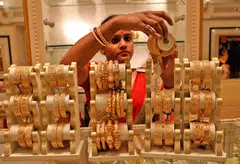
China, meanwhile, saw a slump of 31 per cent in demand to 141 tonnes in the second quarter because of Covid-19 lockdowns and a decline in economic growth. The WGC believes that second-half demand in the world’s second-largest economy remains uncertain. Illustrating areas which showed good consumption, WGC regional CEO of Asia-Pacific Andrew Naylor said that safe-haven demand and inflationary concerns have led to an increase in retail gold investment in South-east Asia, including Indonesia, Vietnam and Thailand. In Singapore, he noted that the economic recovery and lifting of most remaining Covid-19 measures led to a 43 per cent increase to 3.8 tonnes in second-quarter consumer demand.
Decoding Asia newsletter: your guide to navigating Asia in a new global order. Sign up here to get Decoding Asia newsletter. Delivered to your inbox. Free.
Share with us your feedback on BT's products and services
TRENDING NOW

One-third of Singapore-listed firms at risk in severe AI downturn: MAS

‘We don’t want to stay as we are’: CEO Patrick Ng builds a more resilient Huationg

He built the Vingroup empire. Now South-east Asia’s richest man is handing some key roles to his sons
Radiant World table shows six lenders with US$870 million exposure

