



In 3 GIFs: How the Iran war has changed tanker traffic through Hormuz, Malacca straits
Only a handful of supertankers exited the Gulf in May
[SINGAPORE] In the early hours of May 13, a Chinese supertanker carefully made its way across the Strait of Hormuz, one of the rare crossings since Iran closed the key waterway on Feb 28.
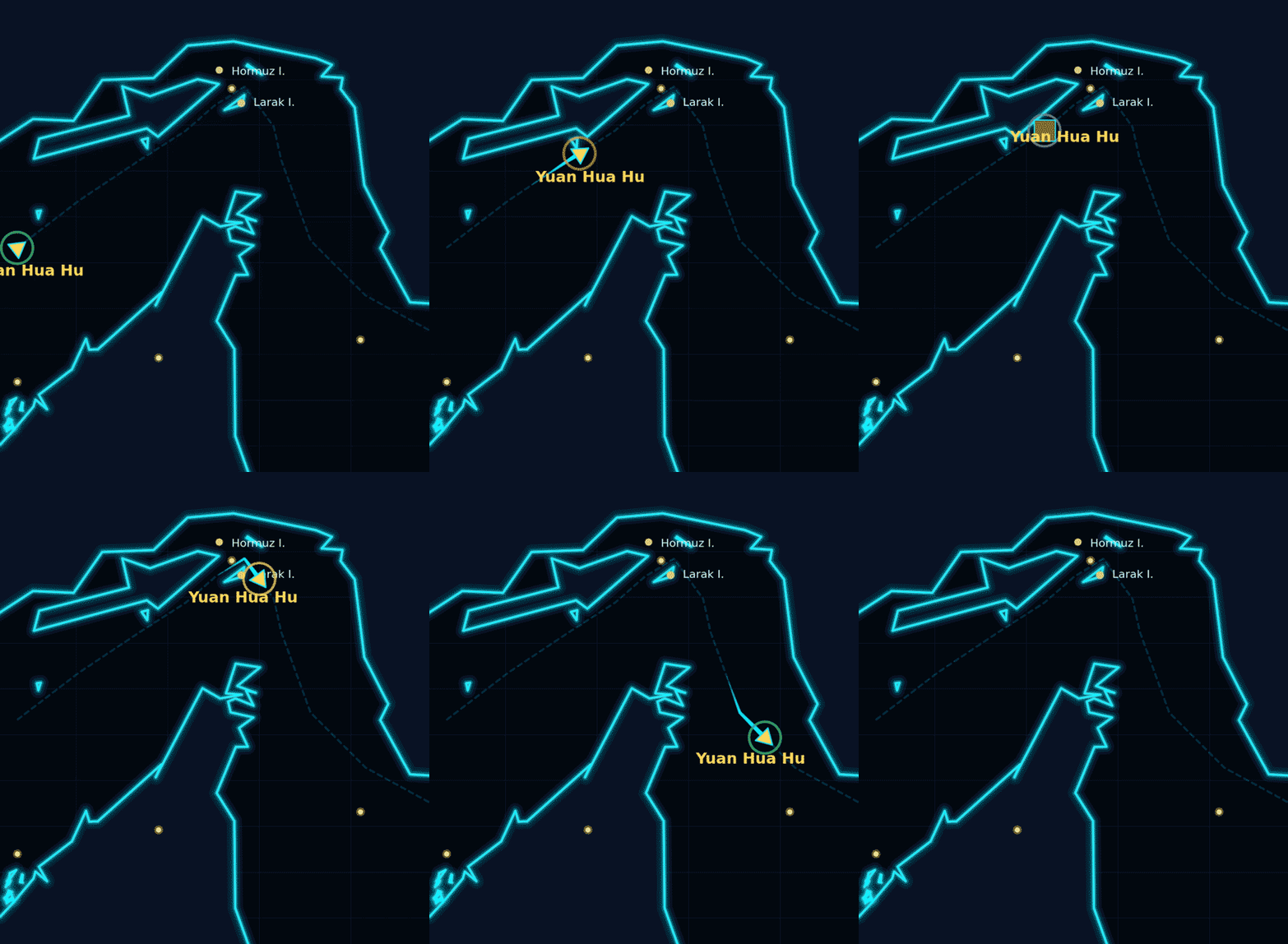
Ship tracking data from Bloomberg showed the Yuan Hua Hu, a very large crude carrier (VLCC) operated by state-owned Cosco Shipping Energy, hugging the coastline.
It was only the third Chinese VLCC to transit through the narrow corridor that the Iranian coast guard has controlled since the war began.
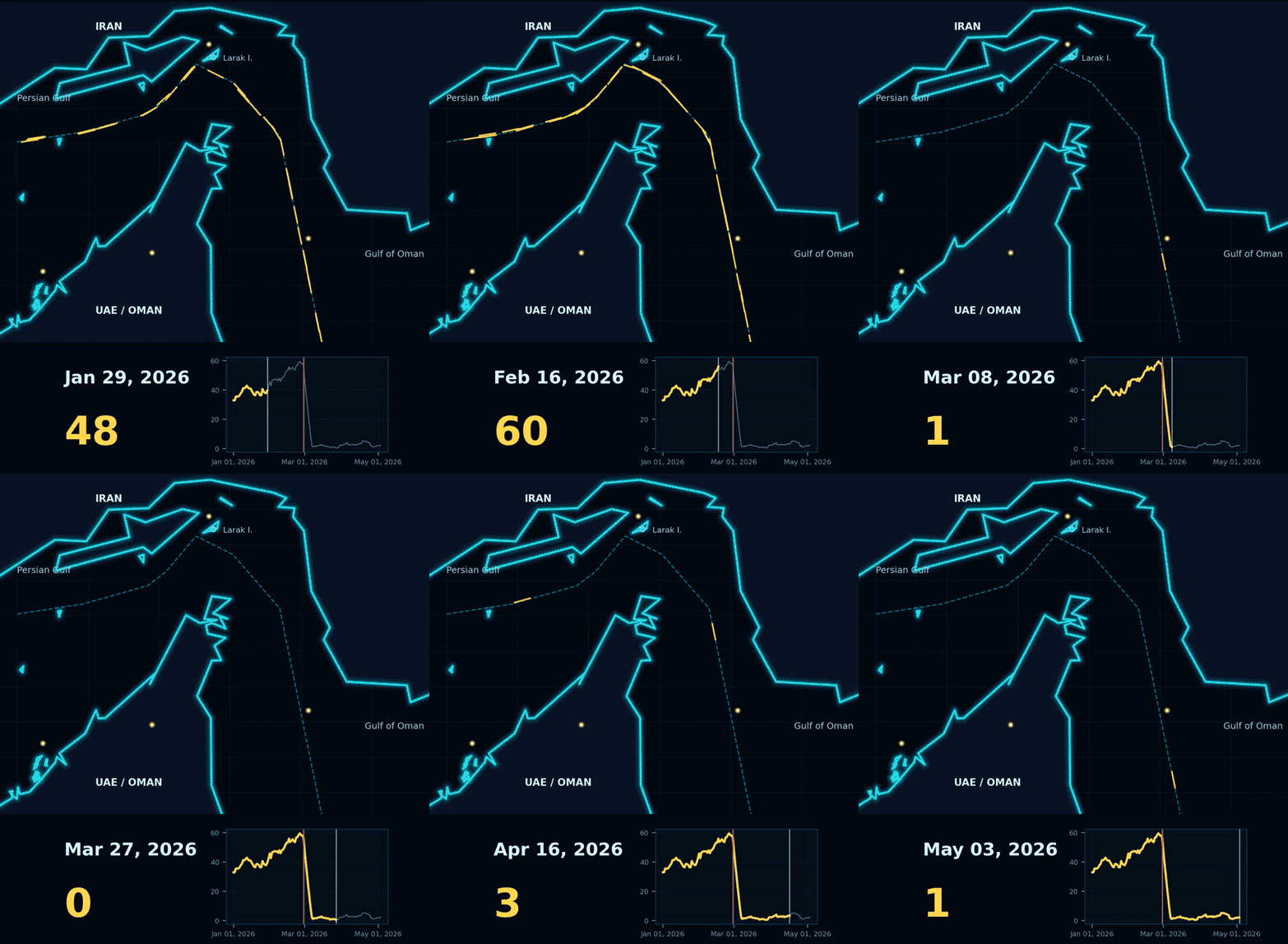
Averaged across March, the strait has seen fewer than two tanker crossings daily, down from about 46 a day before the war.
Outbound crude shipments from the Gulf – about one-fifth of the world’s supply – almost completely collapsed overnight, with no other pipeline substitute.
On Apr 13, US enforcement action made Iranian waters commercially untenable for most operators. On Apr 17, Teheran signalled a brief reopening, leading the number of crossings to rise to 16 on Apr 18, the highest post-closure figure and roughly a third of pre-closure numbers.
The window shut within 24 hours. When the USS Spruance reportedly seized the tanker Touska on Apr 19, crossings dropped to two, where they have broadly remained.
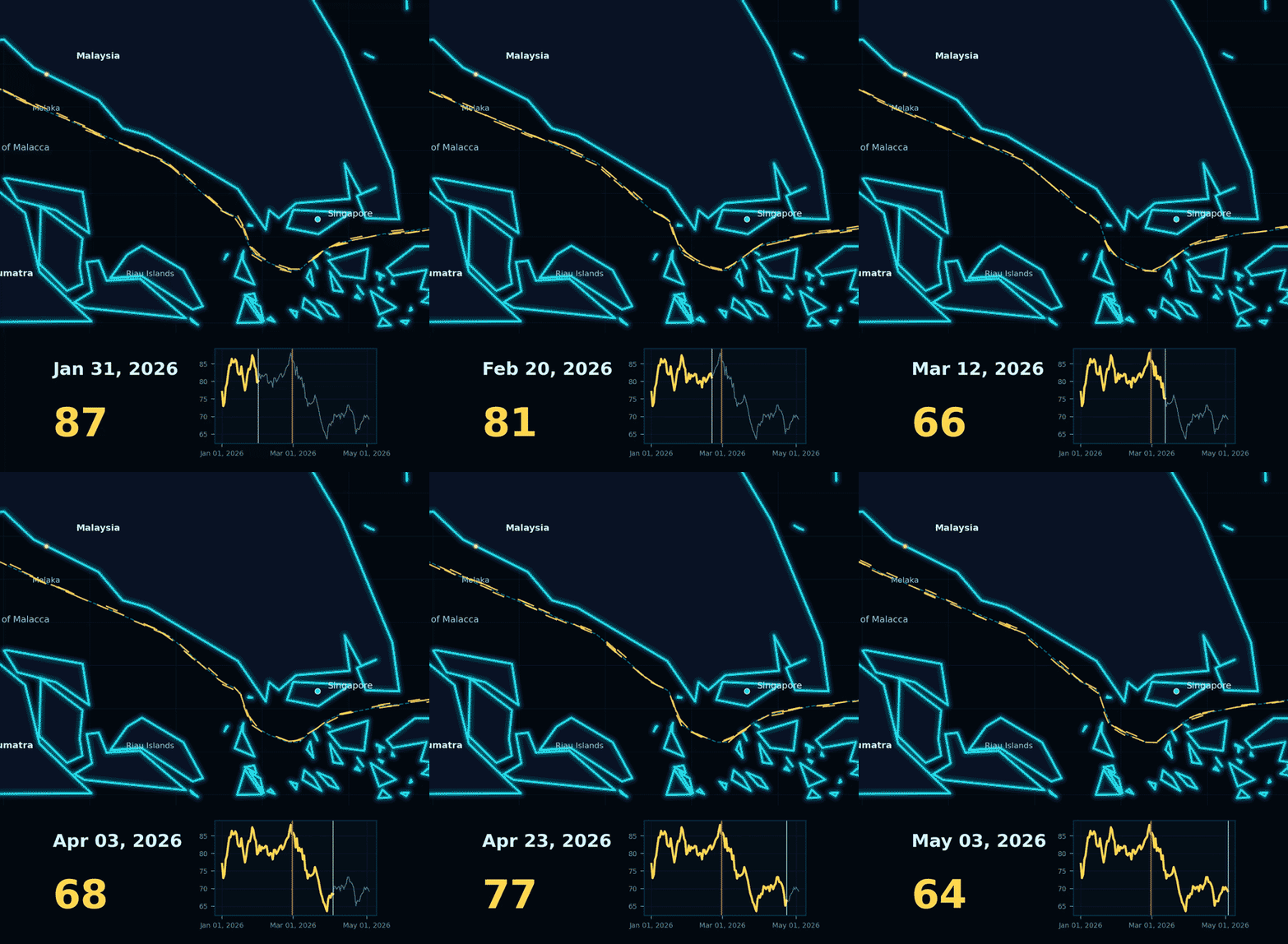
In the south of Singapore, the picture is strikingly different.
While Gulf crude represents a significant portion of the city-state’s oil supply, the Strait of Malacca remains a vital passageway linking alternative crude sources such as West Africa and North America to countries in North Asia.
The pre-war daily tanker average through the Malacca Strait was about 83 crossings; since Hormuz’s closure, it has averaged around 71, a decline of about 14 per cent.
The Malacca Strait is the main route through which Middle Eastern oil heads to China, Japan, South Korea and the rest of Asia.
The prolonged Gulf disruption has led to fewer tankers leaving Hormuz, thinning the flow downstream to Malacca. Hormuz’s closure has also led to higher oil prices, affecting industrial production as well as global consumer demand.
The current dip is still modest, but may be an early sign that a Gulf supply shock is affecting Asia’s shipping lanes.
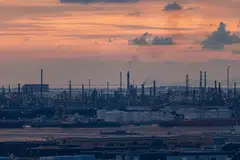
For Singapore as a trading and refinery hub, the conflict is not an immediate threat. While a prolonged disruption may thin flows, it can also create more trading and storage activity because of increased volatility.
Decoding Asia newsletter: your guide to navigating Asia in a new global order. Sign up here to get Decoding Asia newsletter. Delivered to your inbox. Free.
Copyright SPH Media. All rights reserved.
TRENDING NOW

DBS, OCBC, UOB rout lops billions off STI as inflation, rate concerns spook investors

Grab CEO’s wife Chloe Tong on life with Anthony Tan and finding her purpose

OCBC sheds S$8 billion in value as shares close nearly 6% down; analysts cautious on banks

Deal between tycoon friends sparks scrutiny of Philippine power sector

