

China can still meet US soybean pledge, traders say
The Asian nation has not officially confirmed that target, but has moved to reduce tariffs on the crop and lifted import bans on three American exporters
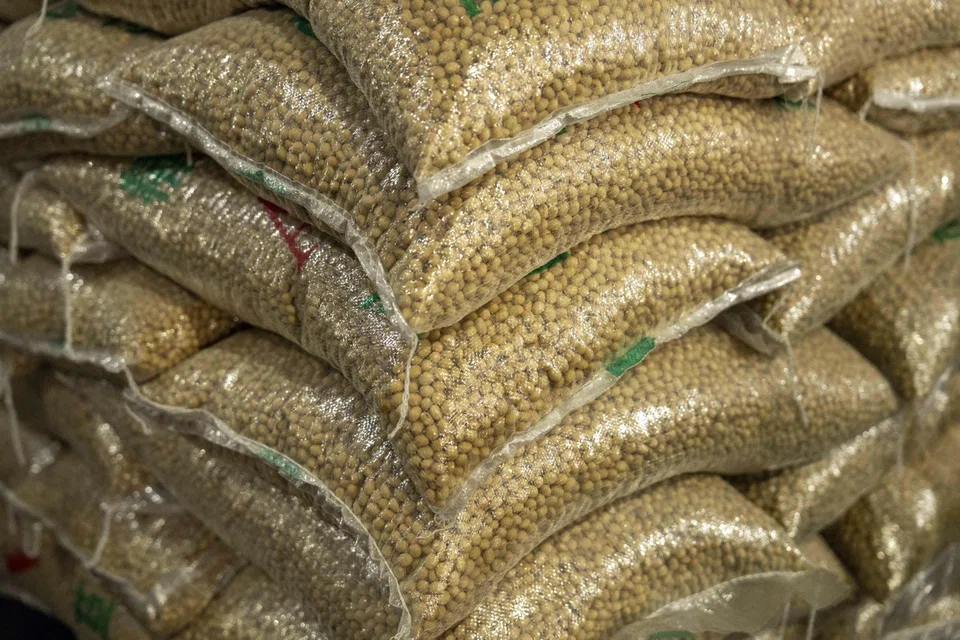
[BEIJING] China is expected to step up US soybean purchases to meet a pledge to buy at least 12 million tonnes by the end of the year, according to multiple traders, underscoring a wider market hope that, at least in agriculture, a fragile trade truce can hold.
State-owned importers including Cofco will take more shipments in the coming weeks, said traders from commercial and state buyers, who asked not to be named as they are not authorised to speak with the media. Those volumes will help China fulfil commitments made in late October, they added, though the timing and scale of shipments remain uncertain.
After Chinese leader Xi Jinping met US counterpart Donald Trump in South Korea just over a month ago, Washington said Beijing had promised to book at least 12 million tonnes of soybeans this year. That would be followed by additional purchases of at least 25 million tonnes annually over the next three years, apparently resolving a major point of disagreement. China has not officially confirmed that target, but has moved to reduce tariffs on the crop and lifted import bans on three American exporters.
Unless there are political impediments, “there would be no reason for them not to at least have made that amount of sales. Whether it’s shipped or not, that’s another thing”, said Wayne Gordon of UBS Group’s wealth management arm.
The pledge has boosted optimism among American farmers over trade prospects, according to the latest Ag Economy Barometer out on Tuesday (Dec 2). The survey, the first since the US announced the trade pact, showed farmer sentiment in November hitting its highest reading since June.
US farmers have viewed the China deal as crucial for their livelihoods, as they have faced particular strain after purchases completely stalled earlier this year. Last year, the US made up one-fifth of China’s soybean imports, worth more than US$12 billion.
The problem is that with only weeks left in the year, time is tight. According to Bloomberg calculations based on USDA data, Chinese buyers have booked roughly three million tonnes – still far short of the target. The USDA on Tuesday did not announce any new purchases by China on Tuesday.
One issue is that American soybeans are currently trading at upwards of US$11 a bushel, a price that makes them less attractive than cheaper South American supplies to cost-conscious buyers. On Tuesday, soybean futures were up as much as 0.7 per cent before erasing gains.
To meet the goal, buyers would have to book the remaining volumes over less than a month, and the unpredictable pace has stoked concern that China may be hampered by bureaucratic and logistical hurdles, even if it did want to honour its apparent commitment.
SEE ALSO



“The fact that it doesn’t make commercial sense for buyers to purchase US soybeans will naturally slow down the pace of purchasing,” said Even Pay, director at Beijing-based advisory firm Trivium China, adding that the 12 million-tonne pledge now looked all but out of reach.
“In early November that target was ambitious, requiring buyers to book just over a million tonnes each week for the rest of the year. But that did not eventuate, and hitting the target now would require China to be booking over two million tonnes each week, including the week of Christmas, which seems close to impossible,” she added.
Still, traders said that they expected non-commercial buyers to keep taking shipments. Chinese state-owned firms, mainly Cofco, will continue to account for most purchases for this year, with some volumes expected to go into state reserves, said the people. The bookings would likely be placed before the end of this year, in line with the deal, though vessels could be loaded in early 2026, even in the next crop year for US beans, they said.
With those mechanisms, the total could surpass 12 million tonnes, the traders said, even if commercial crushers continue to rely heavily on cheaper Brazil supply.
Cofco did not immediately respond to a Bloomberg request for comment.
China’s soybean buying has been a focal point in its fraught trade relationship with the US. Beijing’s apparent pledge in October came after a months-long pause in purchases, as political tensions escalated and Brazil cemented its position as China’s dominant supplier.
But it is still unclear whether the latest purchases represent a meaningful reset or a short-term political gesture. Broader agricultural trade between the two nations faces headwinds, ranging from changing politics and supply chains to China’s intensifying efforts to diversify its imports. Any shipments and bookings this month would offer relief to American farmers and help stabilise relations between the world’s two largest economies. BLOOMBERG
Decoding Asia newsletter: your guide to navigating Asia in a new global order. Sign up here to get Decoding Asia newsletter. Delivered to your inbox. Free.
Share with us your feedback on BT's products and services
TRENDING NOW
DBS remains analysts’ pick ahead of Q3 earnings after Singapore banks’ share slump

Singapore identifies 7 firms responsible for haze fires, notices issued urging action: Grace Fu

Good Class Bungalow market activity picks up pace on ‘realistic’ pricing

High Court rules against Julius Baer’s Singapore trust arm in US$50 million family trust dispute

