

China tax crackdown pushes wealthy to gold as safe haven, lifting Hong Kong jewellery sales
Chinese consumers now prioritise wealth preservation over growth, with high returns no longer a priority
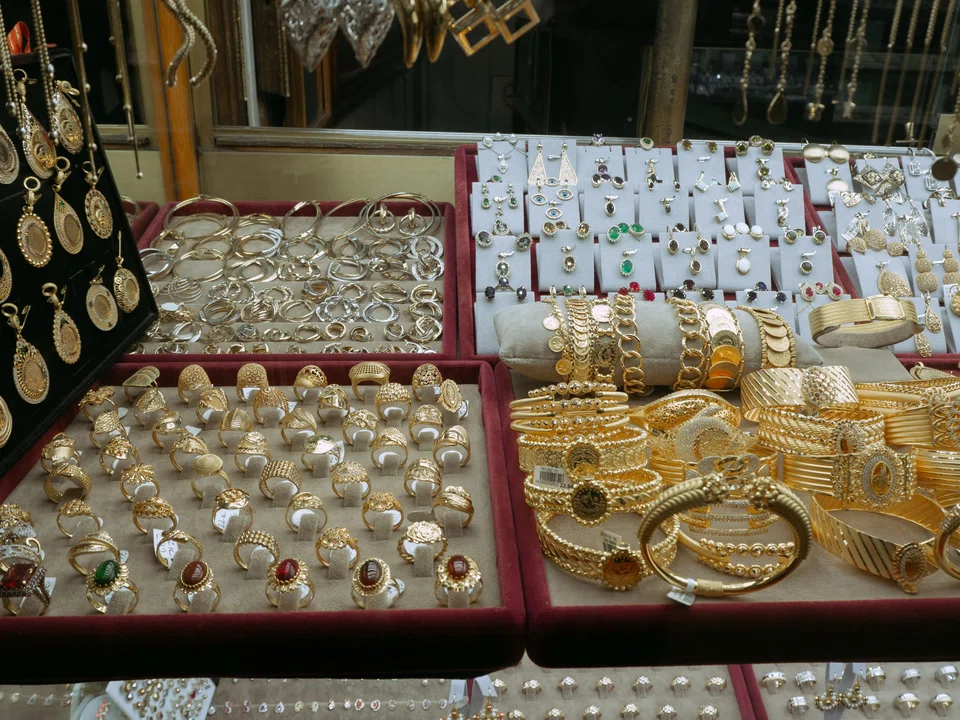
HONG Kong’s jewellery and watch sales have surged to their highest level since 2019 despite China’s broader luxury slowdown, as the rich turn to gold and gemstones to preserve wealth amid Beijing’s tightening grip over their offshore investments.
Sales of jewellery, watches, clocks and valuable gifts jumped 22 per cent year on year to HK$45.8 billion (US$5.8 billion) in the first nine months, far outpacing overall retail growth, according to latest government data.
The sector accounted for about 15 per cent of Hong Kong’s total retail sales.
Hong Kong jewellery sales maintained double-digit growth in the latest quarter even as luxury spending plunged over 10 per cent in mainland China, as Beijing intensified its tax scrutiny of wealthy residents’ overseas assets.
That has helped soften the blow for global giants from Hermès International to Cie Financiere Richemont, which generate substantial sales from the Asia-Pacific region.
The shopping spree in Hong Kong underscores how Chinese consumers are now prioritising wealth preservation over growth.

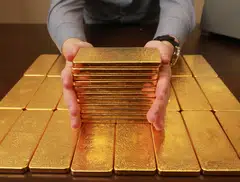
Gold and precious stones have emerged as rare safe havens, as Beijing’s crackdown on capital outflows has made it harder for mainland residents to use traditional channels to invest and park wealth overseas, while physical gold is widely viewed as a reliable store of value and is less vulnerable to regulatory shifts.
Meanwhile, a strong yuan and Hong Kong’s tax-free status have added to the city’s appeal to Chinese shoppers, contributing to a strong tourism recovery.
Adding to the pressure, 2025’s artificial intelligence-driven stock market rally has soured, while a protracted property downturn continues to trap a large share of household savings.

“People have a surging interest in pursuing certainties, as they are concerned about the recent tax policy changes,” said Manna Wang, an insurance sales agent in Hong Kong.
“They want to be 100 per cent sure that their wealth won’t change drastically in the future. High returns are no longer the priority.”
Over the past several months, authorities in Beijing have restricted mainland firms from listing in Hong Kong, tightened controls on offshore stock trading and ramped up scrutiny of foreign trusts and insurance products.
While Wang’s mainland Chinese clients used to consult her on high-return insurance policies, they are now asking her to take them shopping for gold jewellery.
They are also switching to fixed-income insurance products that come with lower returns but carry fewer tax obligations, Wang said.
Wang’s clients spent as much as US$15,000 per person buying gold from jewellers including China’s Laopu – one of their favourite destinations, she said.
The main draw is a strong yuan, making exchange rates more favourable, as well as Hong Kong’s tax-free status, Wang said. As a result, jewellery prices in the city could be more than 5 per cent lower than in the mainland, she added.
Jewellery has become a bright spot for global luxury brands, while sales of clothes and handbags disappointed due to sluggish demand in China.
LVMH Moët Hennessy Louis Vuitton reported an 8 per cent organic growth in the sector in the first nine months, the fastest among all divisions.
At Kering, jewellery sales jumped 17 per cent during the same period, compared with a 2 per cent decline in fashion and leather goods.
Shares of Hong Kong-listed jewellers jumped on Thursday, tracking a rally in gold prices after the US midterm elections. Laopu shares rose more than 8 per cent, the most in almost three months, and Luk Fook Holdings International stock gained 5 per cent.
Part of the reason for the surge in jewellery sales is the rise in gold prices, which climbed to a record high earlier in 2026. That rally has boosted the value of gold jewellery, said Alexis Bonhomme, chief executive officer of luxury consultancy Trinity Asia.
Sales growth in Hong Kong has remained strong even as gold prices have retreated in recent months, indicating demand is resilient.
A sustained tourism rebound is helping drive the retail surge. Visitor arrivals rose 12 per cent in the first nine months with the majority from mainland China.
That has returned to 87 per cent of the level in 2018 before the city became battered by years of political turmoil and Covid closure, marking the strongest post-pandemic recovery yet.
The tourism and retail boom have also sparked a wave of expansions among Chinese and global brands.
Luxury Swiss watchmaker Audemars Piguet is set to open one of its largest Asian flagship stores and a separate experience-driven space in Hong Kong’s central business district.
Italian goldsmith FOPE debuted its first boutique in Greater China in core shopping district Tsim Sha Tsui in October.
LVMH’s Tiffany & Co opened its latest boutique in tourist hotspot Causeway Bay in May, featuring its signature cafe. Richemont’s Van Cleef & Arpels relaunched its flagship in Central in June after an expansion and upgrade, while Laopu further expanded its network in the city.
“High jewellery and gold offer reassurance and longevity,” said Bonhomme of Trinity Asia.
“Wealthy clients are prioritising items with intrinsic, lasting value. They’re pulling back on seasonal fashion at home, but when they travel, they’re comfortable allocating serious budget to high jewellery and gold as tangible assets.” BLOOMBERG
Decoding Asia newsletter: your guide to navigating Asia in a new global order. Sign up here to get Decoding Asia newsletter. Delivered to your inbox. Free.
Share with us your feedback on BT's products and services
TRENDING NOW
Singapore tech stocks plunge as Nasdaq bloodbath spills into region
S$3 billion money laundering case: Rare Pateks and Rolexes, diamond-covered Hermes and more head to auction
OCBC wealth clients turn defensive amid market volatility as Q3 profit rises 3%

From legacy to launch: Francis Yeoh and Yeoh Pei Xien on family unity and YTL’s next‑gen ventures

