

China’s fossil fuel power tips towards annual drop on green boom
The slide strengthens the case that China’s power sector emissions may already have peaked
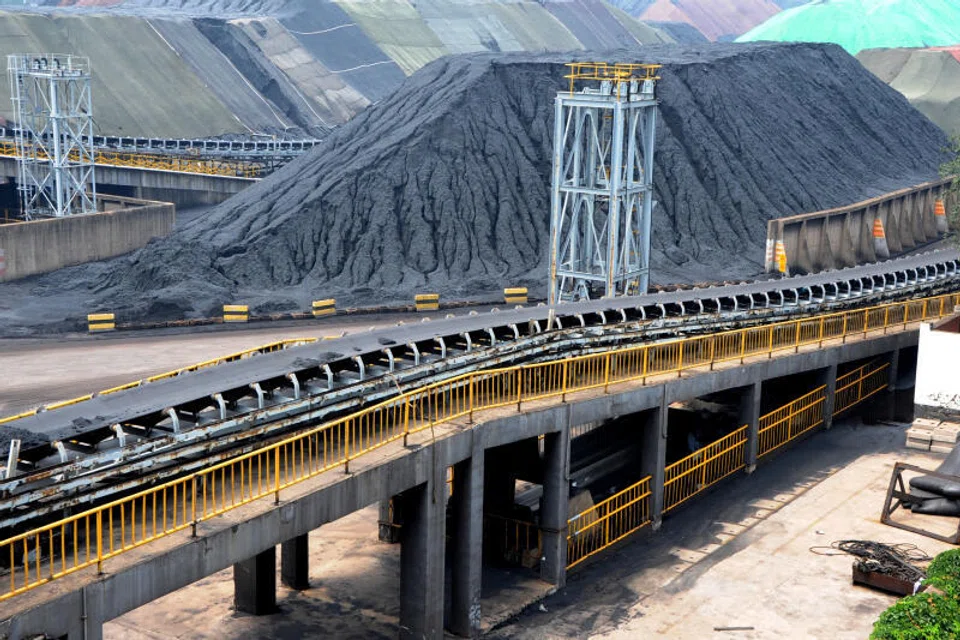
SURGING generation from wind and solar are squeezing fossil fuels out of China’s electricity system, with thermal power generation now down on the year after plunging in October.
Generation from coal and natural gas plants has fallen for four straight months, leaving output 0.1 per cent lower in the year through October, according to data released on Monday (Nov 16) by the National Bureau of Statistics.
The slide comes after thermal generation fell for the first time in a decade in 2025 and strengthens the case that China’s power sector emissions may already have peaked.
The data release comes in the middle of UN-backed climate negotiations in Turkey.
The rapid growth in China’s clean power fleet has been one of the few bright spots for global climate efforts in recent years, after US President Donald Trump pulled the US out of the UN talks and many corporations curtailed their green ambitions.
Beijing has instead looked to renewable-powered electrification as a new source of growth.

After two decades of breakneck expansion, solar panels surpassed coal-fired plants for the first time in July to become China’s largest source of power capacity.
The gap is poised to widen as China targets 3,600 gigawatts of combined wind and solar capacity by 2035, nearly doubling the current level.
Output from large-scale solar farms jumped 31 per cent in October from the previous year, while wind turbines produced 34 per cent more electricity than the same month in 2025, rebounding after gentler breezes suppressed generation earlier in 2026.
SEE ALSO


The drop in thermal power has led to coal accounting for less than half of power generation in the first nine months of 2026, down from nearly 70 per cent a decade ago, according to the National Energy Administration.
To be sure, a late cold snap could drive a rebound in thermal power output in the final two months of 2026, leading to an annual increase.
Falling coal consumption is helping to offset a sharp decline in production of the fuel after a mine accident in May triggered strict safety inspections in top mining region Shanxi.
Coal production fell in October from September levels even after government officials called for a ramp-up in output to ensure demand during the winter season.
Meanwhile, China’s push into artificial intelligence and wider electrification could shift the composition of electricity demand even as overall consumption continues to grow.
That transition is pushing coal-fired power toward a more flexible role supporting an electricity system increasingly dominated by renewables. BLOOMBERG
Decoding Asia newsletter: your guide to navigating Asia in a new global order. Sign up here to get Decoding Asia newsletter. Delivered to your inbox. Free.
Share with us your feedback on BT's products and services
TRENDING NOW

Ex-Nvidia CEO Jensen Huang carried a secret for more than a year. It led to his downfall

South-east Asia has lost Nvidia’s best salesman

Demand, tech capabilities position Apac and AI as Skyscanner’s next growth frontiers: CEO Bryan Batista

Jensen Huang discusses comeback as Nvidia CEO with allies: report

