Commodities investors seek a return to fundamentals in 2019
Current pessimism weighing on metals expected to ease next year, say analysts
New York
MORE fundamentals, less drama. That's what investors are looking for in commodities in 2019 after the complex, and ofttimes toxic, political interplay between the US, China, Russia, and the Saudis helped to drive down prices for everything from crude oil to soybeans and industrial metals.
A US-China trade war that whipsawed global markets is showing signs of subsiding at a time when underlying fundamentals for some commodities are promising, according to analysts at Goldman Sachs. And a decision by Opec and its allies, including Russia, to limit output could boost oil prices.
The wild card in this unsettled world: President Donald Trump, the self-described "Tariff Man". Much depends on if and when his trade war with China ends. An agreement in March, when the current truce is set to end, could change things quickly, said Darwei Kung, a money manager at DWS Investment Management Americas Inc's US$2.9 billion Enhanced Commodity Strategy Fund.
"The fundamental part of the commodity market is very strong," Mr Kung said in an interview. With demand showing consistent growth, he added, "we should see a recovery across the board".
It would be a happy turnaround for natural-resource providers after a year in which the Bloomberg Commodity Index, which tracks 22 raw materials including gold, copper, crude oil, natural gas and corn, is headed for its first annual decline since 2015, down 7 per cent for the year to date.

"A lot of the negative news has been priced in," Hui Shan, a strategist at Goldman Sachs, said in an interview. "We expect the current pessimism weighing on metals - whether it is the trade war, the dollar strength, or the worries about sharp growth slowdown in China - to ease next year."
Here's a quick-hit, commodity-by-commodity breakdown as the new year looms.
The answer may depend at least partially on whether China decides to pump up its economy with stimulus measures early next year, said Natasha Kaneva, head of metals strategy in the global commodities group at JPMorgan Chase Bank NA. China's top leaders are expected to meet this week to decide next year's economic policies. In the meantime, low inventories could help support prices for copper and zinc, according to Bart Melek, head commodity strategist at TD Securities in Toronto.
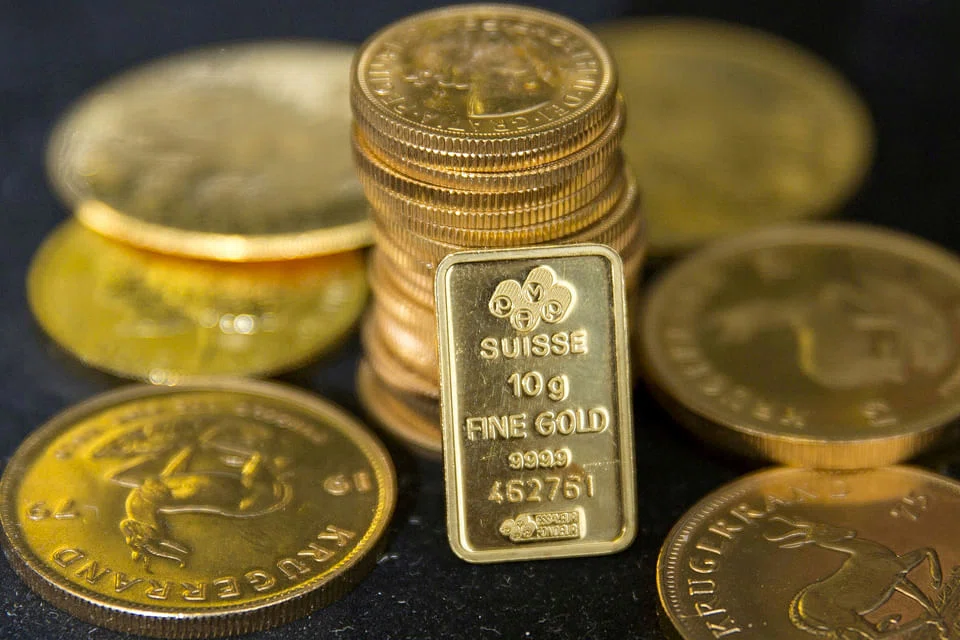
That could weaken the dollar, increasing the value of other countries' currencies as well as the demand for commodities, including gold. "If US growth slows down next year, as expected, gold would benefit from higher demand for defensive assets," Goldman Sachs analysts wrote in a November note, adding that there may be additional support from central bank buying. The precious metal may hit a 2019 high of US$1,350 an ounce from US$1,240 on Friday, said Robin Bhar, head of metals research at Societe Generale, in a Dec 11 email.
That's because seasonal stockpiles sit at their lowest levels in more than a decade as winter approaches and demand for the heating fuel peaks. Though gas production from US shale basins jumped to a record in 2018, the US is exporting unprecedented volumes to Mexico and overseas even as domestic demand climbs. That effort should grow in the year ahead as three more liquefied natural gas export terminals are expected to join three already in operation.
Citigroup is more bearish, expecting the market to weaken. "The more Opec+ tries to support prices by withholding oil from the market, the more they give the US shale sector an out from rationing supply growth themselves," Citigroup analysts wrote. Key tests may come in April when Opec has scheduled a meeting earlier than expected, and the US has said it will reconsider waivers to its Iran sanctions.
Now China is buying American once again, and US prices are on the mend. While reaction in the soy futures market has been muted so far as traders hold out for bigger purchases, US cash prices have climbed.
Farmers from Iowa to North Dakota are hoping the temporary trade truce changes into a more peaceful turn soon with rising stockpiles serving as a reminder of how much they depend on China. The prospect of a record harvest in Brazil makes the stakes even higher. Unlike other commodity markets, prospects for crop prices are weakened by ample supplies. Still, growers are cautiously optimistic.
"This year was a near perfect storm for lower prices," Mike McGlone, strategist at Bloomberg Intelligence, said by phone on Dec 12. "It's likely these conditions will be alleviated in the coming year, which is bullish for commodities." BLOOMBERG
Share with us your feedback on BT's products and services