

Gold advances as traders watch US inflation for rate hike clues
The modest gains on Wednesday take the metal above the 100-day moving average
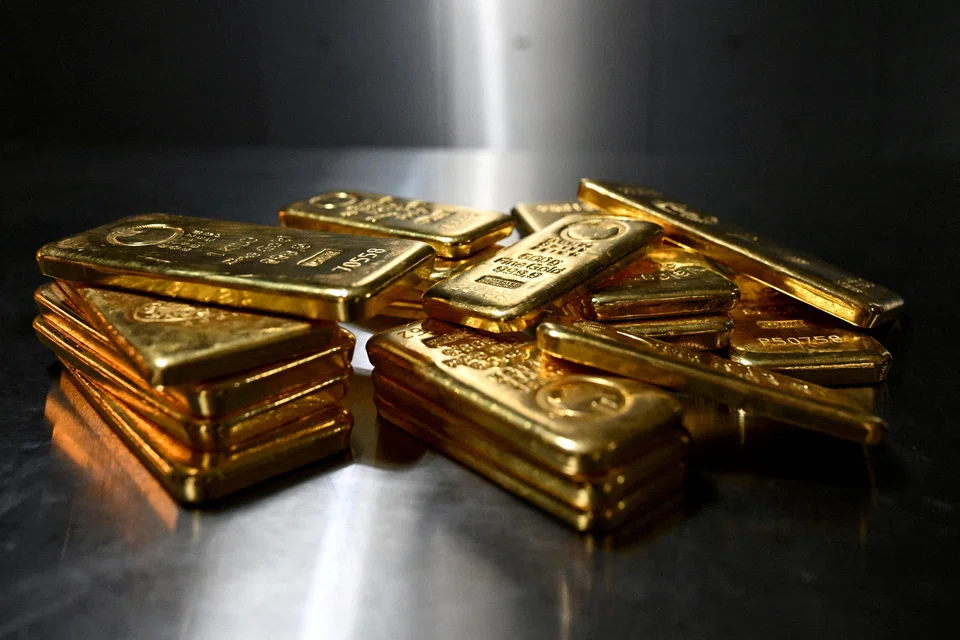
GOLD edged higher, as traders weighed prospects for a deal to reopen the Strait of Hormuz while awaiting US inflation data that could provide fresh clues on the US Federal Reserve’s interest rate path.
Bullion rose as much as 0.6 per cent to near US$4,400 an ounce, a day after pulling back from a two-month high.
Pakistan’s defence minister said the US and Iran are “close to some sort of arrangement” to reopen Hormuz, even after both sides appeared to toughen their stances on the waterway that is crucial to global energy flows.
A rebound in oil prices as the conflict in the Middle East remains deadlocked has clouded the outlook on the Fed’s appetite for a rate hike, with traders holding back from large bets ahead of the inflation report due later on Wednesday (Aug 12).
Interest rate swaps show traders see the odds of a quarter point increase in September as virtually a coin toss.
The closely watched consumer price index is seen rising 0.1 per cent in July following a 0.4 per cent decline in June, according to the median projection in a Bloomberg survey of economists.
In the wake of Friday’s weak jobs report, a moderation in price growth may help alleviate some of the inflation anxiety at the Fed.
However, momentum for a more aggressive monetary policy – typically a negative for gold, which does not pay interest – will build if higher energy prices exert more inflationary pressure.
Benchmark Brent crude climbed for a sixth day on Wednesday.



“The macro backdrop has turned more supportive, but remains fragile,” Ole Hansen, head of commodity strategy at Saxo Bank AS, said in a note.
“A softer US dollar and reduced expectations for additional Fed tightening have helped precious metals, but renewed inflation pressure, another oil price surge or stronger US data could quickly revive rate hike expectations,” he said.
Gold has rallied above the US$4,000-an-ounce support threshold in recent weeks, with renewed investor appetite for the precious metal backed by an increase in central bank purchases, notably from China.
The modest gains on Wednesday once more took the metal above the 100-day moving average, a landmark that was struck earlier this week.
“Gold has defended the downside but has yet to confirm a renewed bull-market advance,” Hansen said.
“Support around US$4,200 is increasingly important, while the major upside test is once again focusing on the 200-day moving average, currently sitting just below US$4,500.”
Spot gold climbed 0.6 per cent to US$4,395.80 an ounce as of 10.06 am in Singapore. Silver rose 0.6 per cent to US$65.0680 an ounce.
Platinum and palladium also advanced. The Bloomberg Dollar Spot Index, a gauge of the US currency, was flat after ending the previous session down 0.1 per cent. BLOOMBERG
Decoding Asia newsletter: your guide to navigating Asia in a new global order. Sign up here to get Decoding Asia newsletter. Delivered to your inbox. Free.
Share with us your feedback on BT's products and services

