Indonesia to lift palm oil export ban from Monday, president says
INDONESIA will lift its palm oil export ban from Monday (May 23), following improvements in the domestic cooking oil supply situation, President Joko Widodo said on Thursday.
The world's top palm oil exporter has since Apr 28 halted shipments of crude palm oil (CPO) and some derivative products to try to tame soaring prices of domestic cooking oil.
The decision comes despite bulk cooking oil having not yet receded to the targeted 14,000 rupiah per litre price, as the government considers the welfare of 17 million workers in the palm oil industry, the president said in a video statement.
Jokowi, as the president is known, said the supply of bulk cooking oil has now reached a level greater than what the domestic market needed.
"Average price of (bulk) cooking oil before the export ban in April was 19,800 rupiah per litre and after the ban the average price dropped to around 17,200 to 17,600 rupiah per litre," he said.
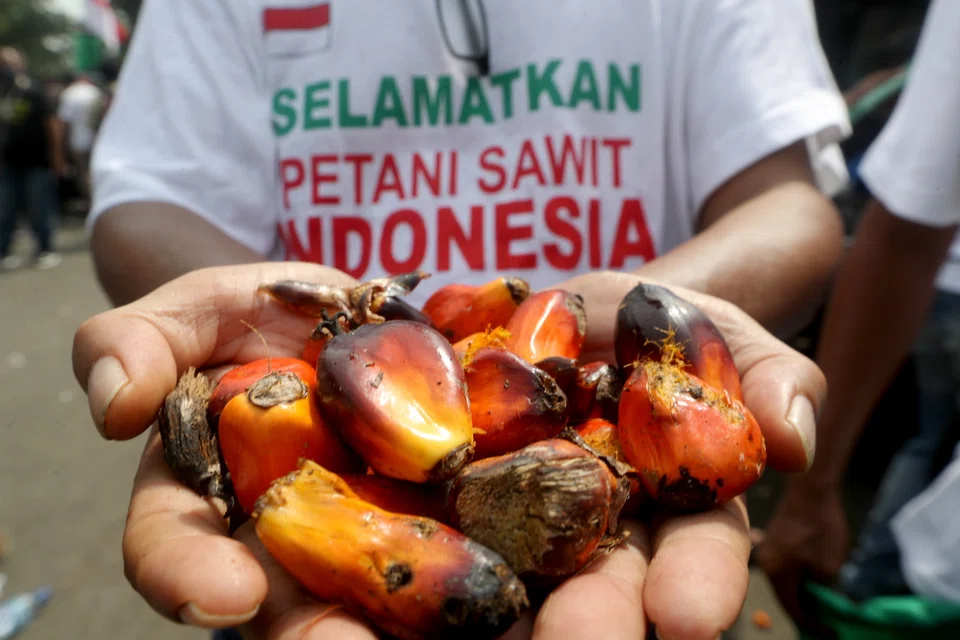
Indonesia came up with the ban on exports of the widely used vegetable oil as a means of controlling domestic prices, but pressures have been mounting for it to be eased as farmers protested that there were no demand for their palm fruits.
The ban has rattled global vegetable oil markets that were already struggling after the war in Ukraine removed a big chunk of sunflower oil supply.
Palm oil makes up more than a third of the world's vegetable oil market, with Indonesia accounting for about 60 per cent of palm oil supply. REUTERS
Decoding Asia newsletter: your guide to navigating Asia in a new global order. Sign up here to get Decoding Asia newsletter. Delivered to your inbox. Free.
Share with us your feedback on BT's products and services