

Oil and gas slump after report US and Iran near deal to end war
Crude has climbed by about 40 per cent since the conflict started
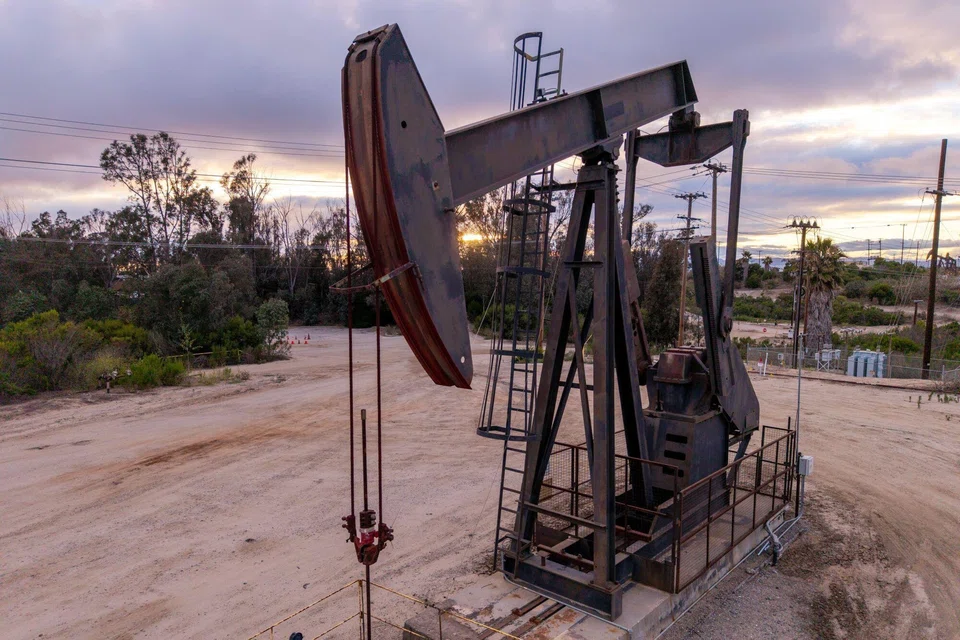
OIL and gas slumped for a second day after Axios reported that the US believes it’s close to an agreement with Iran to end the near 10-week war.
Benchmark Brent fell as much as 8.3 per cent to US$100.72 a barrel in London, while West Texas Intermediate lost up to 9.5 per cent. European natural gas plunged as much as 9.2 per cent.
Axios said Washington and Teheran are getting close to a one-page memorandum of understanding to end the war. The memo, which would include both sides lifting restrictions on the Strait of Hormuz, hasn’t yet been agreed and the US sees Iran responding within 48 hours.
President Donald Trump said in a Truth Social post on Tuesday that the US would pause an effort to escort ships through the Strait of Hormuz to see if a deal can be reached with Iran. “Great Progress” has been made on a final agreement to end the war, he added.
Crude has climbed by about 40 per cent since the conflict started at the end of February, cutting off hundreds of millions of barrels of Persian Gulf oil from global markets.
Flows through the critical chokepoint are now constrained by a double blockade, with Teheran obstructing shipping while the US is stopping vessels from accessing Iranian ports.
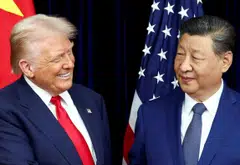
China’s top diplomat called for the swift reopening of Hormuz in the first meeting with his Iranian counterpart this year, signalling Beijing’s efforts to de-escalate a global crisis just days before President Xi Jinping is set to meet with Trump.
Pakistan Prime Minister Shehbaz Sharif, the mediator in Iran-US talks, said in a post on X that he is “hopeful that the current momentum will lead to a lasting agreement.”
Earlier, Secretary of State Marco Rubio told reporters at the White House that “Operation Epic Fury is concluded,” 66 days after the US and Israel began bombing Iran. “We achieved the objectives of that operation,” he said.


On Tuesday, Washington played down the prospect of a return to active war, with Defense Secretary Pete Hegseth confirming the truce that began just under a month ago is still in place.
Meanwhile, General Dan Caine, the chairman of the Joint Chiefs of Staff, said attacks by Iran on vessels in the Persian Gulf and energy infrastructure in the United Arab Emirates didn’t constitute a breach of a ceasefire.
The shutdown around Hormuz has left more than 1,550 commercial vessels, carrying some 22,000 sailors, trapped in the Persian Gulf, Caine said.
Still, any breakthrough in peace talks will take much longer to filter through to energy markets.
“Even if we see some deescalation headlines, the supply recovery is inherently delayed,” said Dilin Wu, a research strategist covering cross-asset markets at Pepperstone Group.
“This is not a switch you can just flip: You still see limited oil shipment through the strait and it still needs time for stranded tankers to be rerouted, for the insurance market to reprice risk and for production to ramp back up.”
The effective closure of Hormuz has choked off a fifth of the world’s liquefied natural gas. While most of that fuel would normally go to Asia, the disruption threatens to intensify competition for a limited global pool of seaborne supply as Europe refills gas inventories before next winter.
In the US, industry data showed crude inventories fell 8.1 million barrels last week, which would be the biggest draw since mid-February if confirmed by official data due later Wednesday. BLOOMBERG
Decoding Asia newsletter: your guide to navigating Asia in a new global order. Sign up here to get Decoding Asia newsletter. Delivered to your inbox. Free.
Share with us your feedback on BT's products and services
TRENDING NOW

DBS, OCBC, UOB rout lops billions off STI as inflation, rate concerns spook investors

Grab CEO’s wife Chloe Tong on life with Anthony Tan and finding her purpose

OCBC sheds S$8 billion in value as shares close nearly 6% down; analysts cautious on banks

Deal between tycoon friends sparks scrutiny of Philippine power sector

