

Oil climbs as fresh tanker strike highlights risks around Hormuz
Global benchmark Brent has fully erased the war premium that had built up in recent months
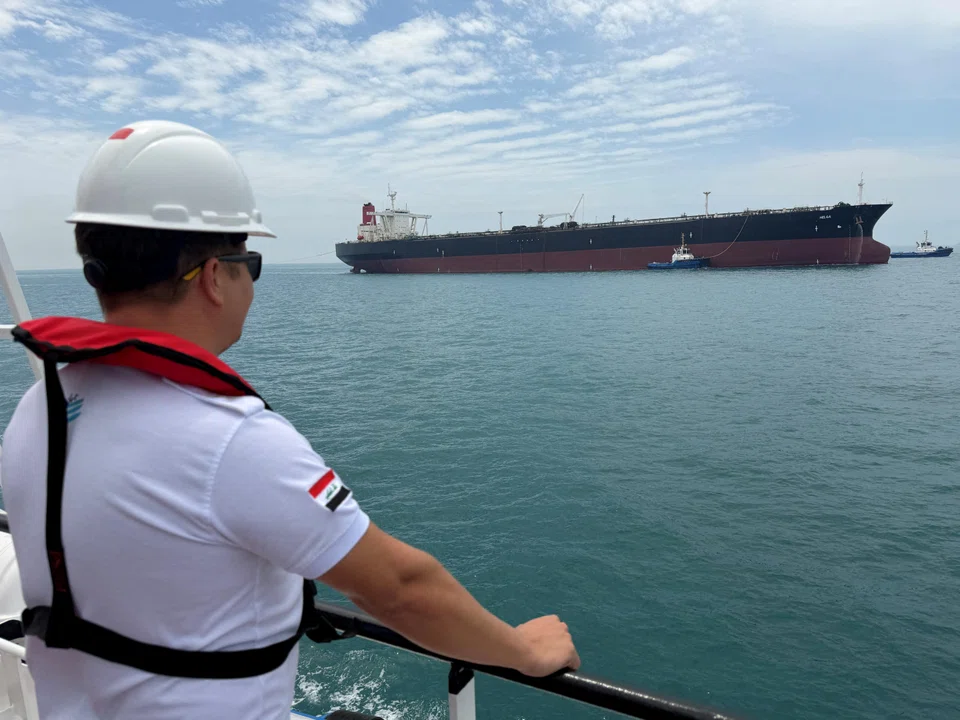
[TOKYO/NEW YORK] Oil gained following attacks on vessels in the Strait of Hormuz, highlighting continued risks to traffic in the waterway.
Brent rose towards US$73 a barrel, while West Texas Intermediate was above US$69. A tanker travelling south reported being hit about eight nautical miles east of Limah, Oman, causing a fire, UK Maritime Trade Operations said. The vessel was Al Rekayyat, a natural gas carrier, according to sources familiar with the matter.
Separately, Axios reported that Iran had fired at least two missiles at commercial ships transiting through the strait, citing a US official. Two vessels were hit and suffered damage, but no casualties were reported, it said.
The strait, which links Persian Gulf producers to global markets, has partially reopened following its near-total closure triggered by the US-Iran war, with a convoy of at least eight Japan-linked ships among recent transits. Still, while traffic is recovering, movements remain below pre-conflict levels.
Oil sank 30 per cent in the second quarter as Washington and Teheran agreed to an interim peace deal, easing concerns over supply disruptions from the Middle East. Global benchmark Brent has fully erased the war premium that had built up in recent months, with some leading banks including Goldman Sachs and Morgan Stanley now warning there’s a risk a glut will return.
“The latest vessel attacks in the Persian Gulf highlight that we are still far away from normalisation,” said Warren Patterson, head of commodities strategy for ING Groep in Singapore. “A contained response from the US may offer some short-term support to oil, but given the bearish sentiment and weakness in the physical market, any bounce will likely be short-lived.”
On Monday (Jul 6), Saudi Aramco said that it will lower Arab Light to Asia for next month by US$11 a barrel to US$1.50 below a benchmark. The last two times it sold the grade at a discount were during price wars in 2020 and 2015.
The move by Riyadh follows a decision at the weekend by Opec+ members including Saudi Arabia to raise output quotas for next month, adding to the prospect of more supply. While those extra barrels remain theoretical, the decision signals a desire to raise production as conditions normalise.
The attacks “reminds investors that the Middle East de-escalation trade is still fragile”, said Charu Chanana, chief investment strategist at Saxo Markets. “The market may add back a little bit of the Hormuz risk premium, but does not look like we are pricing in a full disruption yet.”

Even so, the broader backdrop remains less supportive for oil prices, Chanana added. Opec+ is continuing to raise output, gulf supplies are recovering, and the Brent-Dubai market structure has shifted into contango, she said, referring to a bearish pricing pattern that signals a looser near-term physical market.
Further insight into market conditions will come later Tuesday when the US Energy Information Administration issues its Short-Term Energy Outlook.
Last month, the agency raised its 2027 forecast for US crude production by 220,000 barrels a day to 13.83 million after prices had rallied amid the war. BLOOMBERG
Decoding Asia newsletter: your guide to navigating Asia in a new global order. Sign up here to get Decoding Asia newsletter. Delivered to your inbox. Free.
Share with us your feedback on BT's products and services
TRENDING NOW

Once staunchly pro-China, Malaysian Chinese businesses are now distancing themselves from Beijing

Looking beyond looming CEO succession, should UOB potentially pursue a transformative merger?

Could stablecoins be the future of money?

Grab CEO’s wife Chloe Tong on life with Anthony Tan and finding her purpose

