

Oil dips after Israel-Lebanon ceasefire even as clashes persist
The strait remains the market’s central focus
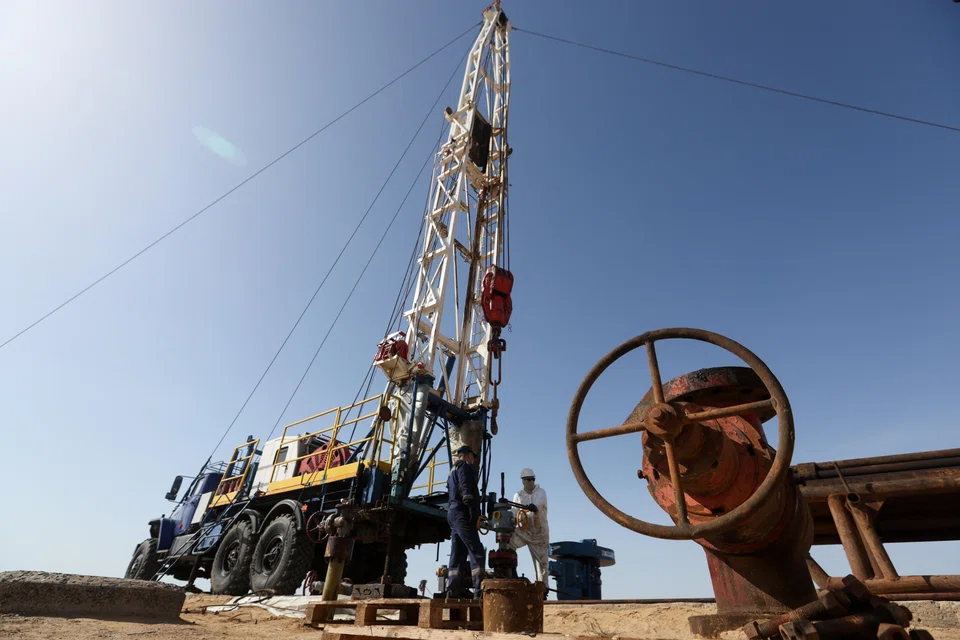
[NEW YORK] Oil declined on hopes that the US and Iran are inching closer to a peace deal after a conditional ceasefire between Israel and Lebanon, even as the truce was marred by ongoing clashes.
West Texas Intermediate futures fell more than 3 per cent to settle above US$93 a barrel, snapping three days of gains. The ceasefire between Israel and Lebanon announced on Wednesday (Jun 3) could meet one of Teheran’s key bargaining conditions, easing the way to a pact between the US and Iran.
Washington and Teheran have sketched out a framework to extend their truce by two months and reopen the Strait of Hormuz. But negotiations are stalling and sporadic fighting has resumed.
Iran said that there had been no recent progress in talks with the US, and the Iran-backed Hizbollah militia rejected the US-brokered truce in Lebanon. Meanwhile, Hormuz, a critical chokepoint for nearly a quarter of the world’s seaborne oil, remains effectively closed. Those hurdles did not keep prices from slipping, however.
“I think the market is generally hooked on the idea that we are getting very close to a deal,” said Gregory Brew, geopolitical analyst at the Eurasia Group.
Futures accelerated their declines on Thursday morning after Trump posted on social media that talks were in the final stage. Trump said last week that he would shortly make a “final determination” on a truce.
“Traders are almost completely on the sidelines as evidenced by open interest and volumes dropping to multi-year lows,” said Joe DeLaura, global energy strategist at Rabobank.
Oil prices gained earlier this week on signs that global supply buffers are shrinking. US figures on Wednesday showed crude inventories at Cushing, Oklahoma – the delivery hub for West Texas Intermediate crude – fell for a sixth straight week, nearing minimum operating levels.
Even if an Israel-Lebanon ceasefire caps some near-term price gains, risks remain elevated while the strait stays cut off. Brent could climb as high as US$130 a barrel in the fourth quarter as inventories tighten, said Robert Rennie, head of commodity research at Westpac Banking.
“The market is asleep at the wheel, even as we drive rapidly towards aggressive tightening in crude and product markets,” Rennie said.
President Trump on Wednesday said that the strait would reopen “immediately” if Iran signs a memorandum of understanding to halt hostilities, adding that some areas in the waterway would need to be cleared of mines. He downplayed the threat those pose to commercial shipping.
The strait remains the market’s central focus. Roughly a fifth of global crude supply typically passed through the chokepoint prior to the war, and its near-closure has pushed energy prices higher, raising concerns about a spike in inflation and slowdown in economic growth. BLOOMBERG
Decoding Asia newsletter: your guide to navigating Asia in a new global order. Sign up here to get Decoding Asia newsletter. Delivered to your inbox. Free.
Share with us your feedback on BT's products and services
TRENDING NOW

DBS, OCBC, UOB rout lops billions off STI as inflation, rate concerns spook investors

Grab CEO’s wife Chloe Tong on life with Anthony Tan and finding her purpose

OCBC sheds S$8 billion in value as shares close nearly 6% down; analysts cautious on banks

Deal between tycoon friends sparks scrutiny of Philippine power sector

