



Oil drops as flows in Hormuz persist and Opec+ flags more supply
Wall Street banks have forecast that prices have scope to slump further this half
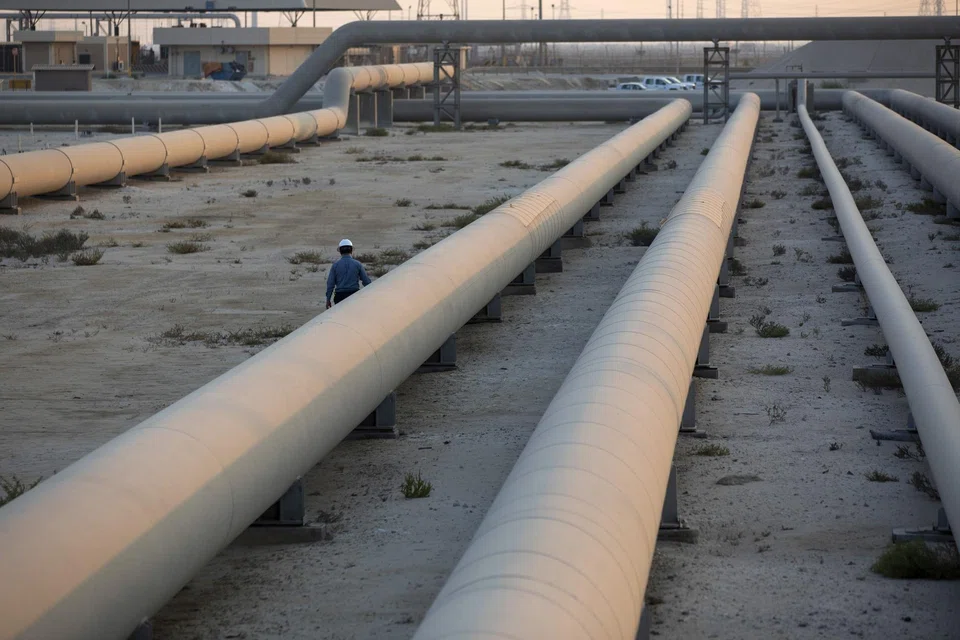
[SINGAPORE] Oil fell as flows through the Strait of Hormuz persisted and Opec+ signalled higher supplies, fanning concerns about a glut.
Brent dropped below US$72 a barrel, while West Texas Intermediate was near US$68. Oil and gas shipping along a US-protected corridor in the waterway showed signs of recovering on Sunday (Jul 5), a day after several vessels had performed unexplained U-turns and detours in the vital energy corridor.
Separately, Opec+ members backed another modest rise in quotas for next month, with seven nations led by Saudi Arabia and Russia agreeing to add 188,000 barrels a day in a further roll-back of curbs made a few years ago. At present, those extra barrels are theoretical, but the group’s decision signals a desire to add output as conditions in the region continue to normalise.
Brent crude collapsed by 30 per cent in the second quarter as Washington and Teheran agreed to an interim peace deal, clearing the way for a brisk – even if yet incomplete – resumption of traffic via Hormuz.
Against that backdrop, Wall Street banks have forecast that prices have scope to slump further this half, with Citigroup flagging the possibility of a return to US$60 by year-end.
Opec “countries that have been impacted by the war are in a build-back mode when it comes to production and exports”, RBC Capital Markets analysts including Helima Croft said. “However, we think there is minimal appetite for a supply-driven price washout.”
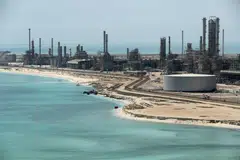
Major Persian Gulf producers have been ramping up output at a rapid clip. Among them, Saudi Arabia’s exports have already surged close to their pre-war levels as the kingdom gets its tankers through Hormuz. The United Arab Emirates, which quit Opec during the conflict, also restored flows.
Traders will be on the lookout this week for the release of official selling prices from Saudi Arabia, the UAE and other producers as they attempt to bring more product back to market.
For July, Riyadh cut the premium of its main crude grade to Asia to US$9.50 a barrel, down from US$15.50 for June.
In signs of growing near-term market looseness, timespreads for benchmarks Brent and Dubai have flipped into a bearish contango pattern, with nearby contracts at a discount to longer-dated ones. Many grades on the physical market are also cheaper than underlying benchmarks.
At the weekend, Iran began a mass funeral for late Supreme Leader Ayatollah Ali Khamenei in a ceremony in Teheran. Khamenei was killed in a US and Israeli attack on the first day of the US-Israeli war in late February. BLOOMBERG
Decoding Asia newsletter: your guide to navigating Asia in a new global order. Sign up here to get Decoding Asia newsletter. Delivered to your inbox. Free.
Share with us your feedback on BT's products and services
TRENDING NOW

Philippine power giant First Gen rebuffs foreign offers, plans up to US$2.6 billion in expansion

Cliff Tan has 7 million followers and a 4-month waitlist. Why won’t he expand his business?

Could stablecoins be the future of money?

From finance aspirant to Asean CEO: TUV SUD’s Jonas Strahberger on finding people who believe in you

