

Oil falls over 1% on reports of potential US-Iran ceasefire deal
Traffic through the maritime chokepoint remains a small fraction of the pre-war level
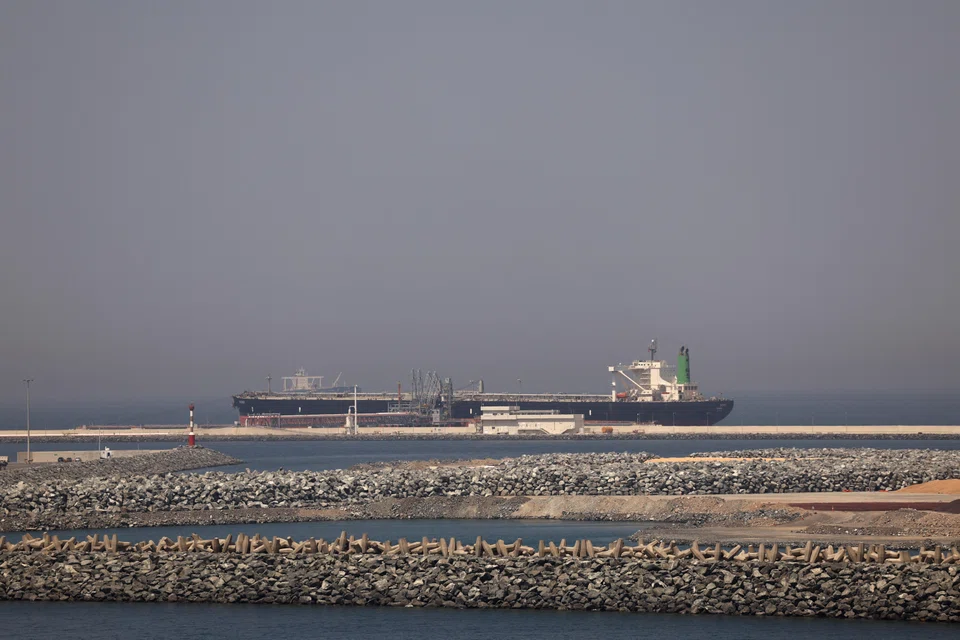
[SINGAPORE] Oil futures fell more than 1 per cent on Friday (May 29) and were on track for their steepest weekly decline since early April, following reports that the US and Iran had agreed to extend a ceasefire, though it had yet to be finalised.
Brent crude futures for July fell 1.1 per cent or US$1.04 to US$92.67 a barrel at 0330 GMT. US oil futures fell US$1.26, or 1.4 per cent, to US$87.64 a barrel. Brent plunged 10.5 per cent this week - the steepest plunge since the week that ended on Apr 6, while WTI fell 9.2 per cent - the biggest weekly loss since the week that ended on Apr 13.
The US and Iran reached an agreement on Thursday to extend their ceasefire and lift restrictions on shipping through the strait, sources told Reuters, though US President Donald Trump has yet to approve it and Iranian state media said it had not been finalised.
“Consensus remains the conflict is over, and a deal is coming. As long as this narrative holds, crude oil has room to extend its decline toward trendline support in the low US$80s,” IG analyst Tony Sycamore said.
Prices have been volatile in recent sessions, swinging by as much as US$6 for both benchmarks on conflicting signals over a possible end to the three-month Iran war and the potential reopening of the Strait of Hormuz, a key transit route for roughly a fifth of the world’s oil and liquefied natural gas supplies.
Traffic through the maritime chokepoint remains a small fraction of the pre-war level.
Analysts at ING said a reopening of the strait would offer some immediate relief to the oil market, but a recovery is still uncertain.
“Upstream oil production has fallen significantly since the war, with producers shutting in production in order to manage storage constraints,” ING said in a note. “The recovery in upstream production will be gradual rather than immediate.”
“Refineries in the region need to ramp up output. This will take time, given that some of this infrastructure was targeted in attacks earlier in the conflict.”

US Vice-President JD Vance told reporters that Washington was “not there yet” with Iran on an agreement but that they were close, adding that the US was in a position where it could substantially set back Teheran’s nuclear programme.
Vance said there were a couple of sticking points in talks with Teheran concerning its enriched uranium stockpile and the question of enrichment.
“I can’t guarantee that we’re going to get there, but right now I feel pretty good about it,” he said. REUTERS
Decoding Asia newsletter: your guide to navigating Asia in a new global order. Sign up here to get Decoding Asia newsletter. Delivered to your inbox. Free.
Share with us your feedback on BT's products and services
TRENDING NOW

LTA proposes combining car COE categories, adding rebate-surcharge system

StarHub to acquire MyRepublic’s mobile business amid ongoing telco consolidation

DBS, OCBC, UOB rout lops billions off STI as inflation, rate concerns spook investors

Grab CEO’s wife Chloe Tong on life with Anthony Tan and finding her purpose

