

Oil fluctuates with US-Iran nuclear talks to resume this week
A potential war would put shipments at risk in the Strait of Hormuz
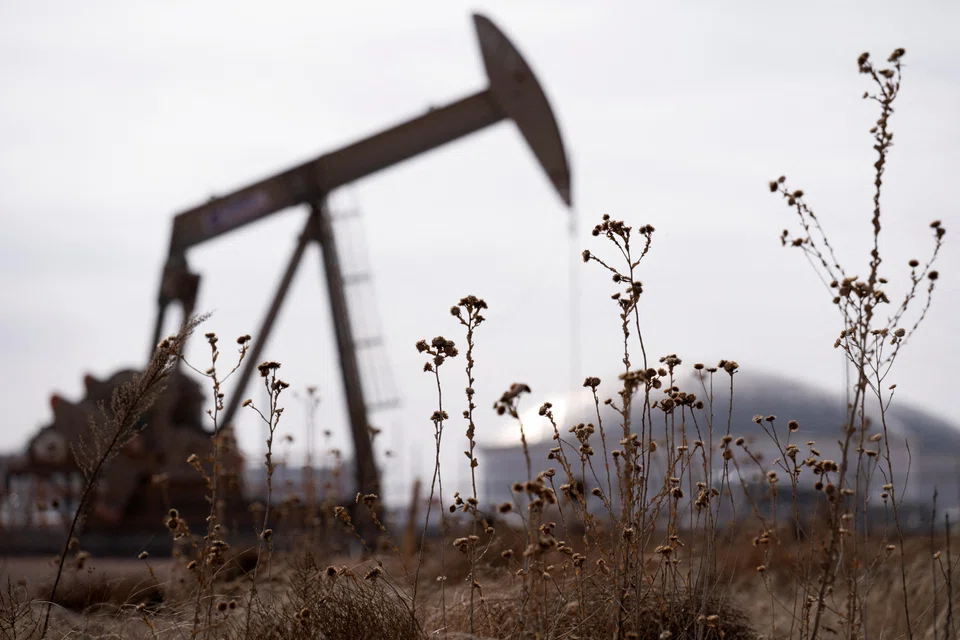
OIL fluctuated near its strongest close since July, with US-Iran talks set to resume this week against a backdrop of massed American forces in the Middle East.
West Texas Intermediate was little changed to settle near US$66 a barrel, after jumping almost 6 per cent last week as US President Donald Trump said he was considering a military strike on Iran.
The US Embassy in Lebanon evacuated “dozens of its staff members” as precaution “amid anticipated regional developments,” local channel LBCI reports, citing unnamed sources.
The New York Times wrote that security officials are monitoring signs that Iran could conduct retaliatory terrorist attacks against American targets abroad.
The commodity was also weighed down by a rout in the equities market.
The bullish developments come even as the next round of talks between the US and Iran in Geneva remains slated for Thursday.
Iranian Foreign Minister Abbas Araghchi told CBS on Sunday he saw a “good chance” of a diplomatic solution to the standoff over his country’s nuclear programme, while reiterating Tehran won’t be pressured by the US military buildup. The enrichment of uranium remains a sticking point for both sides.
Concerns about a Middle East conflict, coupled with several supply disruptions, have driven crude higher despite broad expectations for a global supply glut.
A potential war would put shipments at risk in the Strait of Hormuz – the choke point for exports from the world’s top oil-producing region. Options traders have been charging big premiums to protect against a spike for weeks.


Saudi Arabia, Iraq and Kuwait all ship oil through Hormuz, with the majority of their cargoes heading to Asia. Iran pumps more than 3 million barrels a day of crude, and most flows to China.
Longstanding bear Goldman Sachs Group boosted its oil price forecasts, citing a lower stockpiles build in developed countries. The bank said it still sees declines from current levels, with Brent ending the year at US$60, but that a combination of sanctions and hits to supply are keeping prices higher than previously thought.
Morgan Stanley also said on Monday it expects Brent to drift back toward US$60 over time.
“Oil is rallying on risk, not tightness,” the bank’s analysts including Martijn Rats and Charlotte Firkins wrote in a note, referring to the recent push above US$70.
“Taken together, the combination of higher flat prices, freight and risk-reversal skew alongside softer prompt spreads and weaker physical differentials reads as a classic signature of a market pricing geopolitical optionality and tail-risk hedging demand, rather than responding to immediate scarcity.”
In the US, traders are following how the Supreme Court’s nixing of Trump’s signature tariff policy and the administration’s plan to replace the prior tariffs with a new, across-the-board 15 per cent levy on US imports.
Investors also tracked the fallout from a sweeping winter storm that’s hobbled transport networks in New York City and sent the prompt-spread for heating oil - the difference between its first two contracts - surging.
The risk of a disruption has also pushed benchmark freight markets north of US$150,000 a day for the first time since 2020, according to data from the Baltic Exchange in London. REUTERS
Decoding Asia newsletter: your guide to navigating Asia in a new global order. Sign up here to get Decoding Asia newsletter. Delivered to your inbox. Free.
Share with us your feedback on BT's products and services
TRENDING NOW

DBS, OCBC, UOB rout lops billions off STI as inflation, rate concerns spook investors

Grab CEO’s wife Chloe Tong on life with Anthony Tan and finding her purpose

OCBC sheds S$8 billion in value as shares close nearly 6% down; analysts cautious on banks

Deal between tycoon friends sparks scrutiny of Philippine power sector

