

Oil holds decline on signs of increased Middle East shipments
Brent trades little changed near US$100 a barrel as West Texas Intermediate steadies above US$89
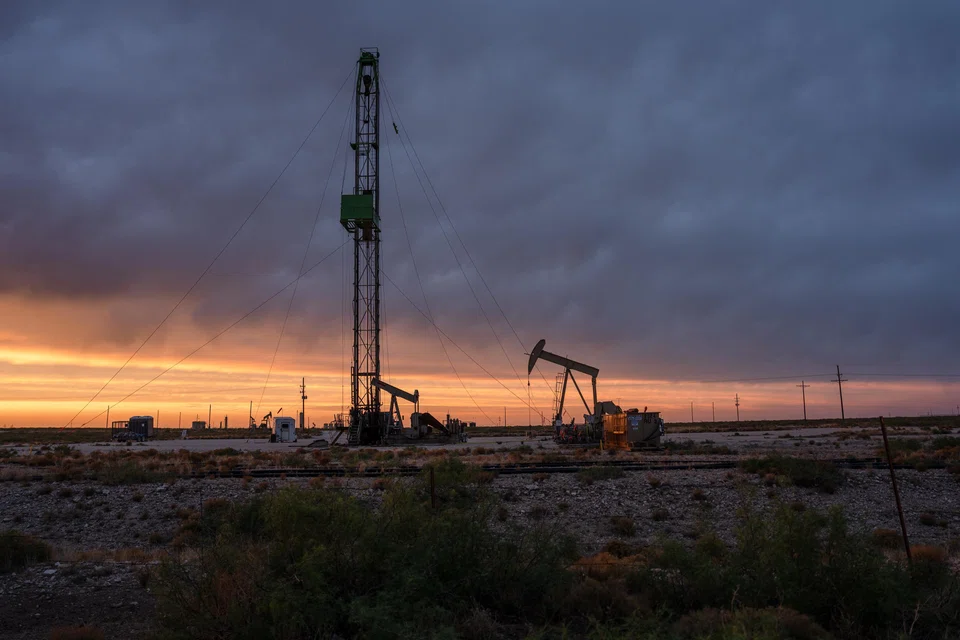
[TOKYO] Oil steadied after losing almost 2 per cent on Monday (Oct 5), as rising Persian Gulf exports and a price cut by Saudi Arabia pointed to a loosening market.
Global benchmark Brent traded little changed near US$100 a barrel, while West Texas Intermediate (WTI) steadied above US$89.
Persian Gulf producers are moving larger volumes through the Strait of Hormuz, with more tankers taking the risk of navigating the contested waterway despite still-elevated risks.
Kuwait said it is pumping oil at about 75 per cent of the level seen before the Iran war, while Iraq is seeking to hire additional vessels to send its cargoes through Hormuz.
The moves come as Saudi Aramco cut the prices of its flagship Arab Light grade for Asian buyers to a six-year low to push for market share.
Brent crude remains about 65 per cent higher this year after the US and Israel attacked Iran in February, disrupting supplies and fuelling inflation.
While oil flows from the Middle East have rebounded towards pre-conflict levels, product shipments remain constrained, in part due to Ukrainian strikes on Russia.
WTI’s prompt spread – the difference between its two nearest contracts – suggests that near-term conditions are becoming less tight.
The gap was US$1.28 a barrel in backwardation on Tuesday, down from US$4.69 two weeks ago.

Still, risks remain.
In Yemen, Saudi-backed forces seized the Red Sea city of Mocha from Iranian-backed Houthis as they push towards the Bab el-Mandeb chokepoint, a key route for Saudi exports.
In recent months, the Houthi escalation against Riyadh had damaged energy infrastructure and tankers.
Later on Tuesday, the US Energy Information Administration is due to release its Short-Term Energy Outlook, including expectations for fuels over the Northern Hemisphere winter.
The perspective will provide insights into diesel and heating-oil conditions at a time of acute market stress and record prices.
On fuels, US President Donald Trump eased restrictions on tax-exempt dyed diesel in a bid to lower costs.
The long-expected move – which came ahead of midterm elections in November – allows wider use of the product.
“You have to wonder if the Iranians will try to take advantage of the period leading up to the midterm elections,” Robert Yawger, director of the energy-futures division at Mizuho Securities USA, wrote in a note.
“The situation is fraught with danger, and high energy prices are the price to be paid.” BLOOMBERG
Decoding Asia newsletter: your guide to navigating Asia in a new global order. Sign up here to get Decoding Asia newsletter. Delivered to your inbox. Free.
Share with us your feedback on BT's products and services
TRENDING NOW
Chairman’s role in spotlight with raft of proposed new rules for Singapore boards
Director of PR firm sacked for secretly recording internal meeting loses wrongful dismissal claim
Indonesia stocks suffer worst plunge in nearly 30 years as MSCI proposes standalone status
If Europe goes to war, the fallout will be felt in East Asia

