

Oil posts biggest weekly loss since 2020 ahead of Iran-US talks
Crude markets have been extremely turbulent since the war began in late February
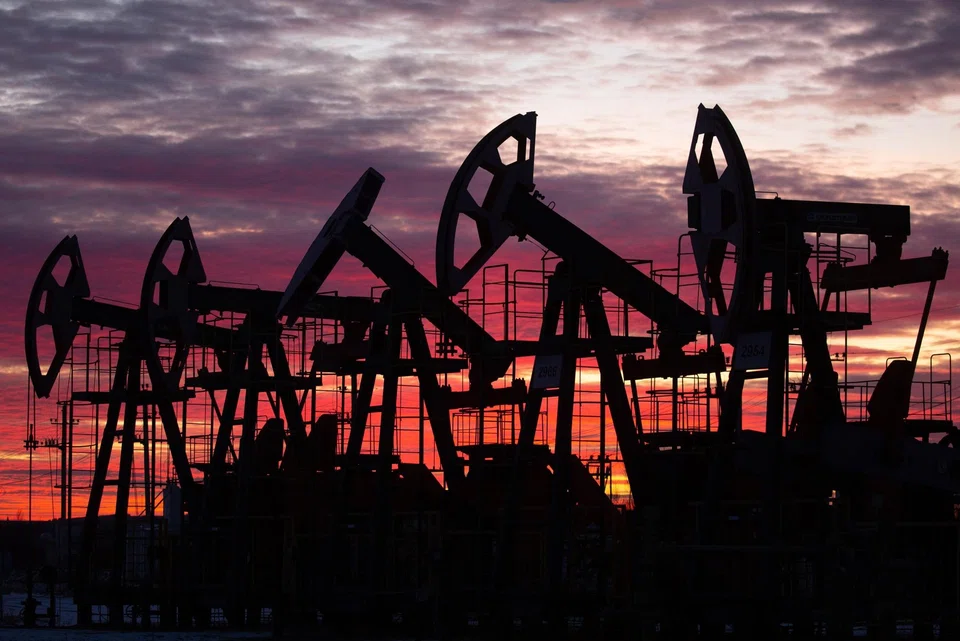
[SINGAPORE] Oil edged lower in relatively light trading before highly-anticipated talks between Iran and the US, negotiations that will dictate the path ahead for their fragile truce.
West Texas Intermediate fell 1.3 per cent to settle below US$97 a barrel, with futures down about 13.4 per cent this week, the biggest retreat in six years. Brent oil ended the day lower at around US$95.
Crude markets have been extremely turbulent since the war began in late February and prices remain more than 30 per cent above pre-conflict levels. Attention is now turning to how sustainable the ceasefire announced this week will be, and whether a lasting peace can emerge that will restart energy flows through the Strait of Hormuz. Transit through the key waterway is still largely limited to Teheran-linked vessels.
“The sell-off is unwarranted and it’s going to likely reverse,” Bob McNally, president of Rapidan Energy Group, said. “Now that we are in the nightmare scenario, folks want to believe that it’s going to end soon, and they accept pleasing words and verbal intervention.”
The oil market is also looking for whether the US will extend a sanctions waiver allowing the purchase of Russian crude already loaded on tankers. Several countries in Asia, where fuel shortages have emerged in recent weeks, are pushing the US Treasury Department to renew the measure, according to sources familiar with the matter. The current waiver expires just after midnight Washington time.
US Vice-President JD Vance is expected to lead discussions with Iranian officials in Islamabad starting Saturday.
Iranian attacks this week have continued to hit energy infrastructure in the region and further crimp supply. Saudi Arabia said late Thursday that strikes had reduced the flow of oil through an East-West pipeline the kingdom has been using to export via the Red Sea.
Countries heavily reliant on Middle Eastern crude have begun tapping inventories. Japan will release about 20 days of oil from its stockpiles in May, Prime Minister Sanae Takaichi said. Chinese state refiners were given the green light to tap into commercial reserves, while India’s largest private refiner has started to cap fuel purchases at pumps to manage stocks.
While the two-week ceasefire was broadly holding across the Middle East, the continued closure of the Strait of Hormuz and fighting between Israel and Hezbollah in Lebanon threatened to complicate negotiations.
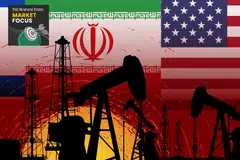
Trump posted on social media on Friday that Teheran’s only leverage is “short term extortion of the world by using International Waterways” – a reference to Hormuz, and declared that the “Iranians don’t seem to realise they have no cards”.
For Iran, a ceasefire in Lebanon is one measure that “must be fulfilled before negotiations begin”, Iran’s Parliament Speaker Mohammad-Bagher Ghalibaf said.
Trump told The New York Post on Friday that US warships are being reloaded with “the best ammunition” to launch fresh attacks if the talks falter.
Elsewhere, Ukraine’s top negotiator with Russia said that he sees progress towards a potential peace deal. Brent’s gains briefly eased following the comments. BLOOMBERG
Decoding Asia newsletter: your guide to navigating Asia in a new global order. Sign up here to get Decoding Asia newsletter. Delivered to your inbox. Free.
Share with us your feedback on BT's products and services
TRENDING NOW

Far East Organization’s The Serra Residences sells less than a quarter of units released at average S$3,460 psf
MAS, SGX must address our IPO problem

A bumpy road ahead for some of Singapore’s fresh graduates in their job search

Once staunchly pro-China, Malaysian Chinese businesses are now distancing themselves from Beijing

