

Oil extends declines as investors await outcome of US-Iran talks
Negotiations are still underway
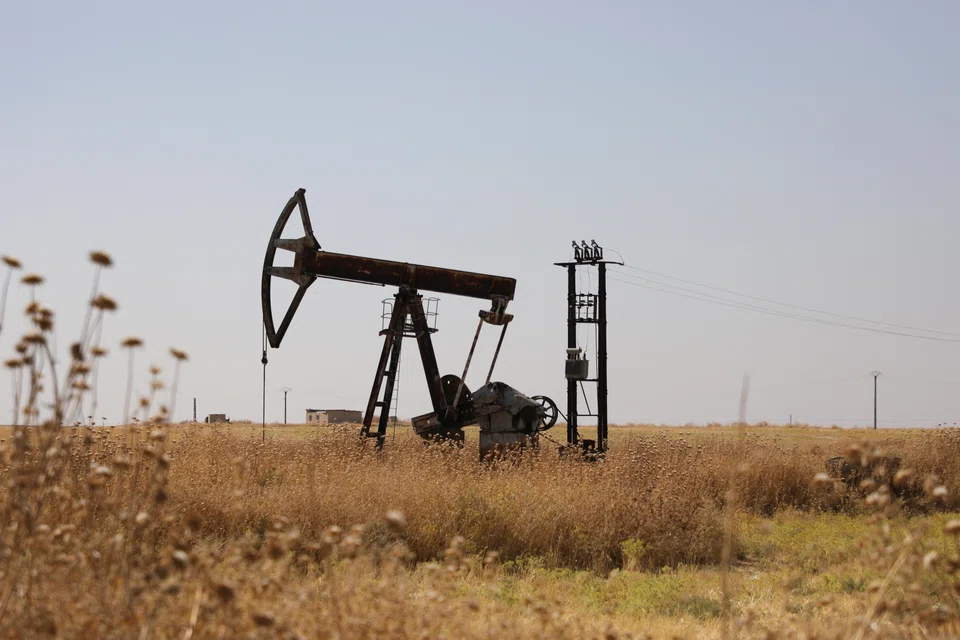
[SINGAPORE] Oil extended declines on Wednesday (Aug 5) after steep falls in the previous two trading sessions, as investors waited to see if efforts to end the Iran war and restore traffic through the blockaded Strait of Hormuz were making progress.
Brent crude futures dropped 92 cents, or about 1.2 per cent, to US$78.44 a barrel by 0330 GMT. They have tumbled more than 12 per cent for the week thus far.
US West Texas Intermediate futures lost US$1.07, or 1.4 per cent, to stand at US$74.70 a barrel and are down more than 11 per cent this week.
Qatar said on Tuesday mediators were making progress in efforts to end the war, driving oil prices lower, although Teheran has denied US President Donald Trump’s assertion that talks are underway. Brent closed more than 5 per cent lower on Tuesday below US$80 a barrel for the first time since Jul 13.
“While the immediate geopolitical premium has unwound, the broader supply picture warrants caution,” said Priyanka Sachdeva, head of market insights at Phillip Nova.
“If diplomatic efforts fail and physical supply is ultimately affected, the current pullback could prove short-lived, with tighter inventories amplifying the impact of any future supply shock,” Sachdeva added.
Prior to the beginning of the war, some 20 per cent of the world’s oil and liquefied natural gas transited through the strait, and in March alone prices rose 50 per cent.
“The main sticking point appears to be whether Iran will continue to insist on a degree of control over the waterway, and whether the US will stand its ground and refuse that outcome,” analysts from IG said in a note.
Trump and Qatar’s Emir Sheikh Tamim bin Hamad Al Thani discussed efforts to narrow differences between Washington and Teheran and improve the prospects for a lasting settlement during a phone call on Tuesday, Qatar’s Emiri office said.

US crude and petrol inventories rose while distillate stocks fell last week, market sources said on Tuesday, citing data from the American Petroleum Institute.
Crude stocks rose by about 2.7 million barrels in the week ended Jul 31, the sources said on condition of anonymity.
Official numbers from the US Energy Information Administration are due at 10.30 am ET (1430 GMT) on Wednesday. REUTERS
Decoding Asia newsletter: your guide to navigating Asia in a new global order. Sign up here to get Decoding Asia newsletter. Delivered to your inbox. Free.
Share with us your feedback on BT's products and services
TRENDING NOW

Government to bring forward raising of retirement age, give employers more financial support to create flexi-load jobs

Former minister Maliki Osman, Revolut chairman join Asia Gulf Holdings advisory board

Is Manila Asia’s new dining hot spot?

Simba at risk of losing operating licence over spectrum misuse

