

Oil falls on increased Gulf supply and hopes for US-Iran talks
Both oil benchmarks fell for the day
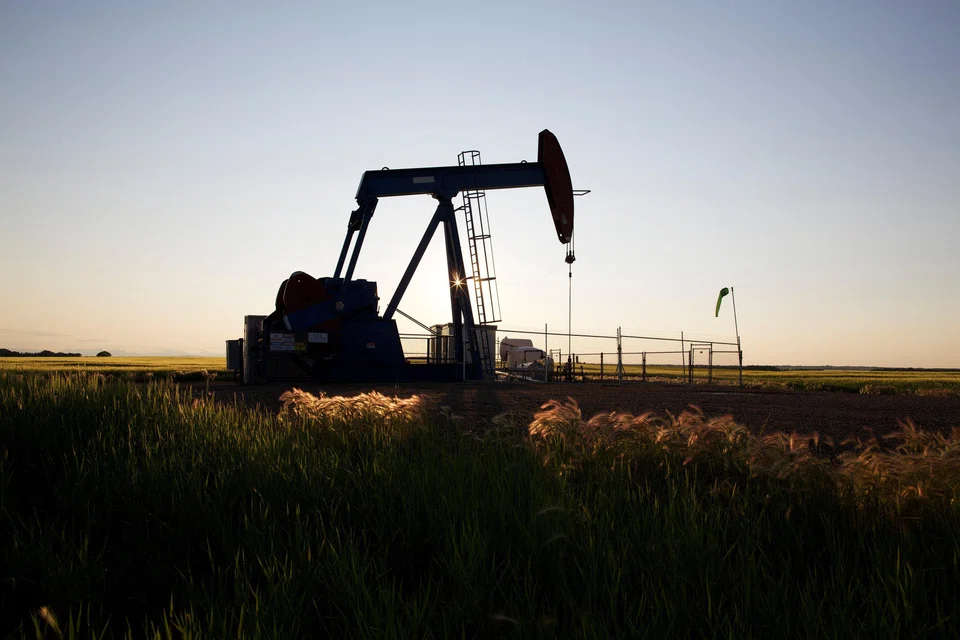
[PERTH] Oil prices drifted lower on Wednesday (Sep 23) as Saudi Arabia began restoring crude supply on a critical pipeline to the Red Sea and on hopes for a diplomatic solution to the US-Iran war through talks at the UN in New York.
Brent crude futures fell 7 cents, or 0.07 per cent, to US$99.18 a barrel as of 0119 GMT while West Texas Intermediate futures fell 35 cents, or 0.39 per cent, to US$90.17 per barrel.
While US President Donald Trump warned on Tuesday that he could “annihilate” Iran, he also said his envoys Steve Witkoff and Jared Kushner had held productive talks with mediators of Iran to end the war.
“I think there’s a lot of momentum for them to make a deal,” Trump said.
Optimism around improved supply and a push to end the nearly seven-month conflict drove benchmark Brent down to close below US$100 a barrel on Tuesday for the first time since Sep 8.
“The market is currently feeling more constructive about the global oil supply picture than it was a few weeks ago,” said Tim Waterer, chief analyst at KCM Trade.
“The meeting of US and Iranian delegations in New York has given traders a glimmer of hope ... Despite the continued tough rhetoric, including threats of ‘annihilation,’ the market is choosing to price in the possibility of talks.”
On Tuesday, Saudi Arabia restarted operations on its East-West Pipeline to the Red Sea, three sources briefed on the matter said, with signs of an increase in Middle Eastern oil flows.
Drone attacks, which Saudi Arabia has blamed on Iraqi militia, forced the kingdom to shut the pipeline on Sep 11, halting crude loadings at the kingdom’s Yanbu port.
Since the US-Israeli war on Iran disrupted oil flows from Saudi Arabia and its Gulf neighbours through the Strait of Hormuz, Riyadh has been using the pipeline to reroute around 4 million barrels per day — around 4 per cent of global supply — to Yanbu.
Iraq, too, is increasing oil exports, its oil minister, Basim Mohammed, said on Tuesday. The country is exporting more than 3 million bpd, he said, and expects to boost exports via Turkey to more than 600,000 bpd.
Provisional data from shiptracking firms Vortexa and Kpler pegged Iraqi crude exports in August at 2.3 million and 2.17 million bpd, respectively, up from July’s level but below February’s pre-war level of 3.7 million and 3.362 million bpd.
Adding to downward pressure on oil prices, industry data showed US crude inventories rose by 1.8 million barrels in the week to Sep 18, while analysts polled by Reuters had expected a decline.
Official weekly inventory figures from the US Energy Information Administration are due at 10.30 am ET (1430 GMT). REUTERS
Decoding Asia newsletter: your guide to navigating Asia in a new global order. Sign up here to get Decoding Asia newsletter. Delivered to your inbox. Free.
Share with us your feedback on BT's products and services
TRENDING NOW

Prima to move out of historic Keppel Road flour mill building in 2028

Temasek-related Azalea, SeaTown, Seviora Capital to merge in 2027

Family offices see more tailored products, leverage ‘collective firepower’ for direct deal access

Singapore room rates soar, but hotels seeing mixed demand from F1 race and events

