

Oil rises on concern over escalating Middle East tensions
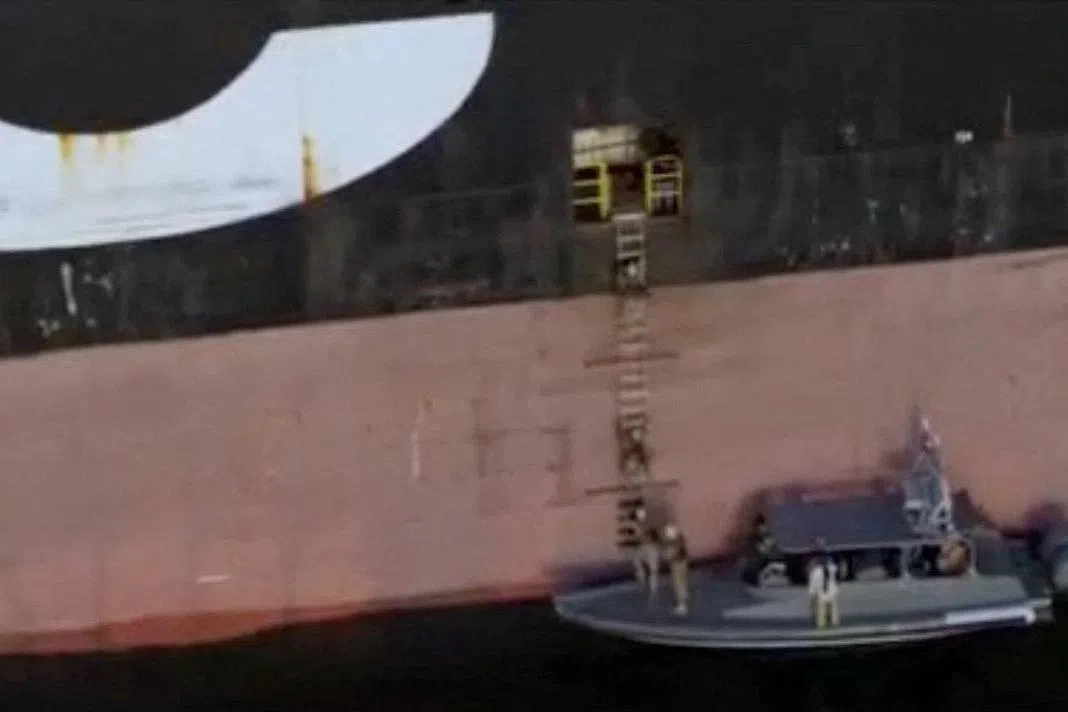
Iran on Apr 23 posted video of commandos in a speedboat storming a huge cargo ship
 Add BT as a preferred source
[LONDON] Oil rose on Friday (Apr 24) on concerns of a renewed military escalation in the Middle East after Iran released footage of commandos boarding a cargo ship in the Strait of Hormuz, and a lack of progress in reopening the key waterway.
Navigation through the strait, which before the war carried about a fifth of global oil output, remains effectively blocked. Iran’s capture of two cargo ships highlighted Washington’s difficulties in trying to control the passage.
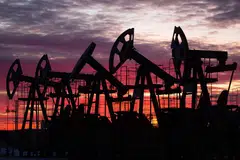
Brent crude futures were up US$1.93, or 1.8 per cent, to US$107 a barrel at 0805 GMT, while US West Texas Intermediate (WTI) futures were up US$0.76, or 0.8 per cent, at US$96.61.
For the week, Brent is up 18 per cent and WTI 15 per cent, the second-largest weekly gains since the war began.
Both contracts settled more than 3 per cent higher on Thursday after reports that air defences were engaging targets over Teheran and of a power struggle between Iran’s hardliners and moderates.
“There is no de-escalation in sight,” said Tamas Varga of oil broker PVM.
US President Donald Trump said Iran may have loaded up its weaponry “a little bit” during a two-week ceasefire, but added that the US military could eliminate it in a single day. On Wednesday, he said he would indefinitely extend the ceasefire to allow for further peace talks.
The ceasefire is increasingly looking like a preparatory phase for more war, Haitong Futures said in a report. If peace talks fail to make progress by the end of April and fighting resumes, oil prices could climb to new highs for the year, it added.
“There’s set to be fresh financial pain ahead as key shipments from the region remain blocked,” said Susannah Streeter, chief investment strategist at UK investment service Wealth Club. “That is set to keep costs elevated for a vast array of commodities.”
As investors and governments around the world look for a lasting peace, Trump said he would not set a “timetable” for ending the conflict and that he wanted to make “a great deal.”
“Don’t rush me,” he said when asked how long he was willing to wait for a long-term deal. REUTERS
Decoding Asia newsletter: your guide to navigating Asia in a new global order. Sign up here to get Decoding Asia newsletter. Delivered to your inbox. Free.
Share with us your feedback on BT's products and services
TRENDING NOW
DBS completes US$1 billion significant risk transfer deal, in first for Singapore bank
Malaysian tycoon Vincent Tan’s sell-downs point to pruning rather than an exit plan
Singapore private housing is ‘decoupling’ from HDB market as buyer pools diverge: NUS survey

Not in education, employment or training: Why more Hong Kong youths are opting out of work

