

Lebanon-Israel ceasefire extended by 3 weeks after White House Oval Office meeting
Israel said on Apr 23 that it killed two armed individuals in southern Lebanon
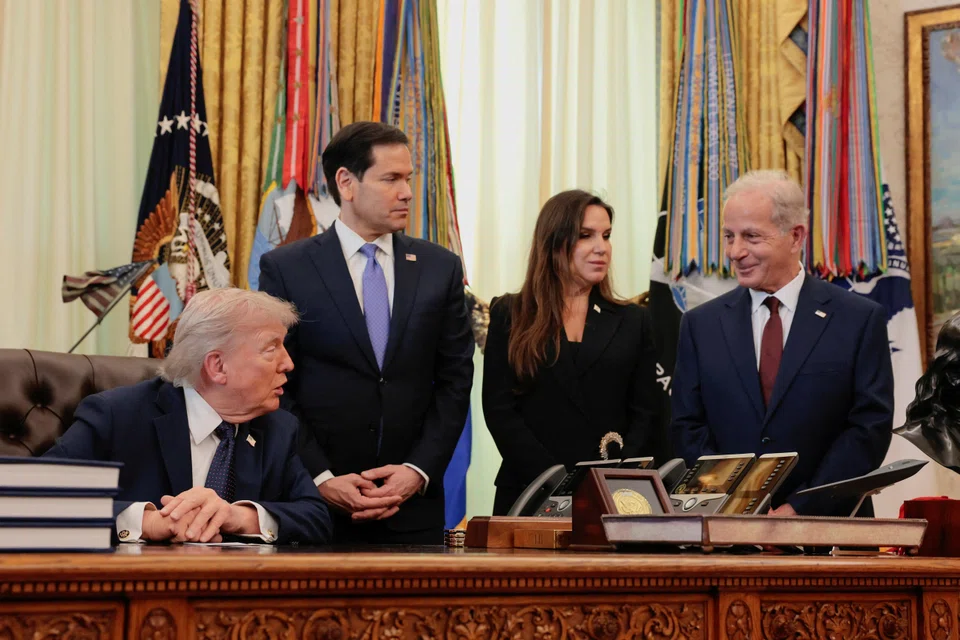
[WASHINGTON/BEIRUT/JERUSALEM] Lebanon and Israel extended their ceasefire for three weeks after a high-level meeting at the White House, US President Donald Trump said on Thursday (Apr 23).
Trump hosted Israel’s ambassador to Washington Yechiel Leiter and Lebanese ambassador to the US Nada Moawad in the Oval Office for a second round of US-facilitated talks, a day after Israeli strikes killed at least five people including a journalist.
“The Meeting went very well! The United States is going to work with Lebanon in order to help it protect itself from Hezbollah,” Trump wrote on Truth Social. Hizbollah, the Iran-aligned armed group that is fighting Israel, was not present at the talks. It says it has “the right to resist” occupying forces.
Trump added that he looked forward to hosting Israeli Prime Minister Benjamin Netanyahu and Lebanese President Joseph Aoun in the near future.
Trump also spoke to reporters in the Oval Office alongside the participants in the meeting, saying he hoped the leaders would meet during the three-week cessation of hostilities. He said there was “a great chance” the two countries would reach a peace agreement this year.
Vice-President JD Vance, Secretary of State Marco Rubio, US Ambassador to Israel Mike Huckabee and US Ambassador to Lebanon Michel Issa also attended the meeting.
The ceasefire, reached after talks between the two nations’ ambassadors to Washington last week, was set to expire on Sunday. It has yielded a significant reduction in violence, but attacks have continued in southern Lebanon, where Israeli troops have seized a self-declared buffer zone.
‘Make Lebanon great again’
Ambassador Moawad, who went into the meeting seeking an extension of the ceasefire, thanked Trump for hosting the talks. “I think with your help, with your support, we can make Lebanon great again,” she said.
A Lebanese official earlier said Beirut would push for an Israeli withdrawal, the return of Lebanese detained in Israel and a delineation of the land border in a next phase of negotiations.

Israel has sought to make common cause with Lebanon’s government over Hizbollah, which Beirut has been seeking to disarm peacefully for the past year.
Asked how the US would help Lebanon to fight Hizbollah, Trump did not provide details but said the US had “a great relationship with Lebanon.” Trump said Israel had to be able to defend itself against attacks from Hizbollah.
Trump also called for Lebanon to abolish laws against engagement with Israel. “It’s a crime to talk with Israel?“ he responded when asked about the statutes known as anti-normalisation laws, which he did not appear to be aware of. “Well, I’m pretty sure that that will be ended very quickly. I’ll make sure of that,” Trump said.
Deadliest day since ceasefire
The Israeli military said on Thursday that it killed two armed individuals in southern Lebanon after identifying them approaching soldiers and posing what it described as an immediate threat.
It was not immediately clear whether the incident was related to strikes reported earlier in nearby areas by Lebanon’s health ministry, which said an Israeli air strike had killed three people and artillery shelling wounded two others, including a child.
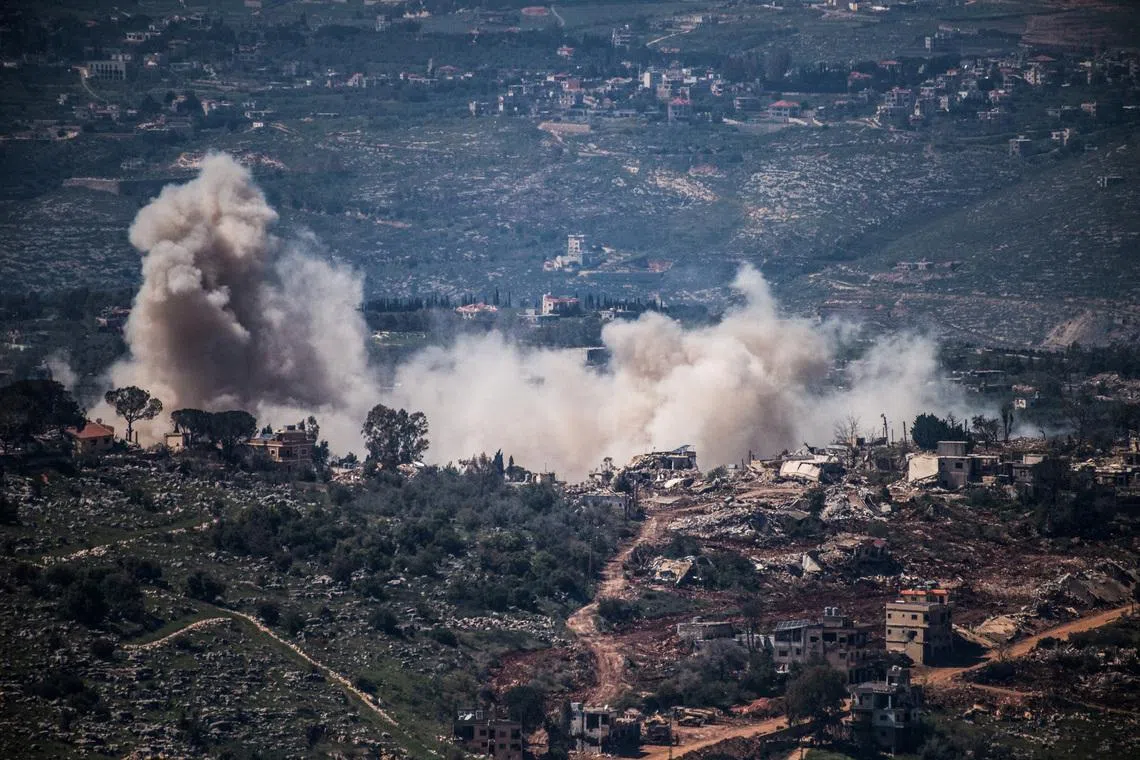
Wednesday was Lebanon’s deadliest day since the ceasefire took effect on Apr 16.
Those killed by Israeli strikes included Lebanese journalist Amal Khalil, according to a senior Lebanese military official and her employer, Al-Akhbar newspaper.
Israel’s military said on Wednesday it was reviewing an incident in which it had received reports that two journalists were wounded by strikes it said were aimed at vehicles departing a military structure used by Hizbollah. It said Israel does not target journalists.
Hizbollah lawmaker Hassan Fadlallah said the group wanted the ceasefire to continue but “on the basis of full compliance by the Israeli enemy”. At a televised press conference, he reiterated Hezbollah’s objections to the face-to-face talks and urged the government to cancel all forms of direct contact with Israel.
Hostilities between Hizbollah and Israel reignited on Mar 2, when the group opened fire in support of Iran in the regional war. The ceasefire in Lebanon emerged separately from Washington’s efforts to resolve its conflict with Teheran, though Iran had called for Lebanon to be included in any broader truce.
Hizbollah said it carried out four operations in south Lebanon on Wednesday in response to Israeli strikes.
Nearly 2,500 people have been killed in Lebanon since Israel went on the offensive following Hizbollah’s Mar 2 attack, according to Lebanese authorities.
Israel is occupying a belt of the south that extends 5 to 10 km into Lebanon, saying it aims to shield northern Israel from attacks by Hizbollah, which has fired hundreds of rockets during the war.
Israel’s military reiterated a warning to residents of south Lebanon not to cross into the area. REUTERS
Decoding Asia newsletter: your guide to navigating Asia in a new global order. Sign up here to get Decoding Asia newsletter. Delivered to your inbox. Free.
Share with us your feedback on BT's products and services
TRENDING NOW
Prima to move out of historic Keppel Road flour mill building in 2028

Grab CEO’s wife Chloe Tong on life with Anthony Tan and finding her purpose

OCBC sheds S$8 billion in value as shares close nearly 6% down; analysts cautious on banks

As Asia’s food delivery giants rejig the pie, who will win the market?

