

Oil rises as Hormuz remains shut after US-Iran peace talks stall
Axios reported Teheran offered the US a fresh proposal to open the strait
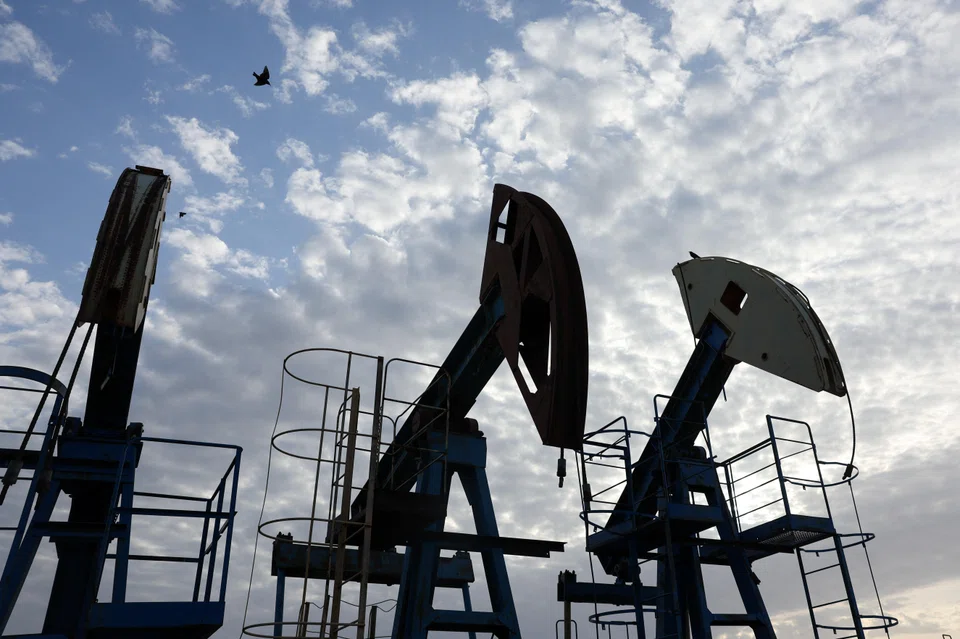
OIL rose after efforts to resume peace talks over the Iran war stalled, with the Strait of Hormuz remaining virtually impassable, extending disruptions in the Middle East that have roiled global markets.
Brent crude futures rose US$1.35, or 1.3 per cent, to US$106.68 a barrel by 0453 GMT, retreating from early session gains of over US$2 a barrel. US West Texas Intermediate was at US$95.35 a barrel, up US$0.95, or 1 per cent.
This comes after Axios reported Teheran offered the US a fresh proposal to open the strait. Over the weekend, President Donald Trump cancelled a planned trip by his top envoys to Pakistan, which is mediating talks, while Iran said it will not negotiate if it is being threatened.
Last week, Brent and WTI gained nearly 17 per cent and 13 per cent respectively, the biggest weekly gains since the start of the war.
A ceasefire has mostly held in place since early April, but a blockade of the Strait of Hormuz by both the US and Iran has cut daily transits through the key waterway to near zero. The supply shock has choked off supplies of crude, fuel, natural gas and fertilisers, raising concerns about an inflation crisis.
“The Strait is still very much under siege, with traffic halted,” said Mona Yacoubian, director of the Middle East Program at the US Center for Strategic and International Studies. “It seems like neither side wants to go back to outright conflict. We’re in this purgatory, where it’s just stalemated.”
Iran, through Pakistani mediators, offered the US the proposal for reaching a deal to reopen the strait and end the war, with nuclear talks postponed for a later stage, Axios reported, citing people it did not name including a US official. Trump is expected to hold a meeting on Monday (Apr 27) with his top national security and foreign policy team to discuss the stalemate in the negotiations, it said.
The US president on Saturday told his envoys Jared Kushner and Steve Witkoff to skip the trip to Pakistan, and later told reporters that Iran “offered a lot, but not enough.” Iranian President Masoud Pezeshkian said his nation will not enter “imposed negotiations under threats or blockade.”
Biggest supply shock in history
The Iran war, now in its ninth week, has driven up energy prices and led to shortages of key products such as liquefied petroleum gas in India, and prompted airlines to cut flights. The International Energy Agency says the conflict is causing the biggest supply shock in history.
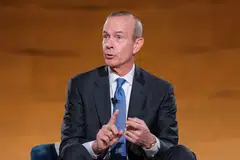
“Consolidation above US$100 is the area that we’re heading” toward, said Robert Yawger, director of energy futures at Mizuho Securities. “As every day ticks forward, there’s less and less chance that we’ll see a deal anytime soon.”
The longer Hormuz is closed, the more consumption is going to have to recalibrate lower to align with supply that has dropped at least 10 per cent, according to traders. A loss of 1 billion barrels is already all but guaranteed – more than double the emergency inventories that governments released after the conflict, with demand destruction likely to spread.
US forces intercepted a sanctioned vessel in the Arabian Sea on Saturday as part of the blockade, according to US Central Command. The US deployed a Navy helicopter to intercept the vessel, which subsequently complied with military directions to turn back to Iran under escort. A total of 38 ships have been redirected since the start of the blockade, Centcom said.
Most of Iran’s crude is exported to China, with the country’s private refiners – known as teapots – taking advantage of the cheaper barrels. On Friday, the US sanctioned Hengli Petrochemical (Dalian) Refinery over its links to Teheran, just weeks ahead of an expected summit between Trump and Chinese President Xi Jinping. Hengli has denied any trade with Iran.
“The market’s already priced in a decent amount of risk,” said Haris Khurshid, chief investment officer at Karobaar Capital in Chicago, referring to the Iran war. Brent crude will likely trade in a range of US$100 to US$115 a barrel, unless there’s “a broader regional escalation,” he added. BLOOMBERG, REUTERS
Decoding Asia newsletter: your guide to navigating Asia in a new global order. Sign up here to get Decoding Asia newsletter. Delivered to your inbox. Free.
Share with us your feedback on BT's products and services
TRENDING NOW

DBS, OCBC, UOB rout lops billions off STI as inflation, rate concerns spook investors

Grab CEO’s wife Chloe Tong on life with Anthony Tan and finding her purpose

OCBC sheds S$8 billion in value as shares close nearly 6% down; analysts cautious on banks

Deal between tycoon friends sparks scrutiny of Philippine power sector

