

Oil rises as Iran tempers hopes for swift Hormuz reopening
Both oil benchmarks had fallen more than 7 per cent last week
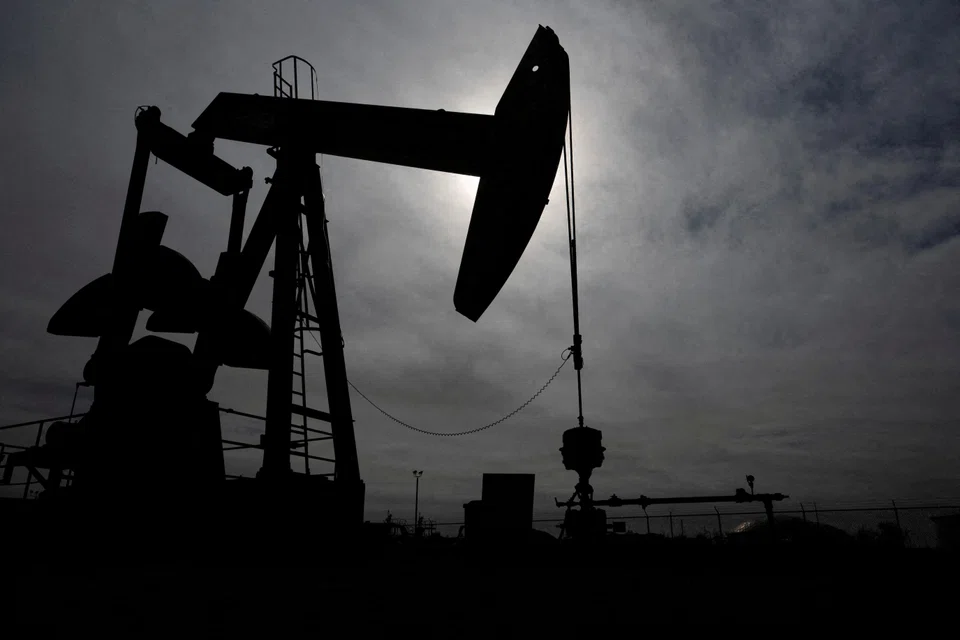
[NEW DELHI/PERTH] Oil prices rose on Monday (Aug 10) as uncertainty persisted over the reopening of the Strait of Hormuz, with Iran saying the United States must meet several conditions even as Teheran and Oman moved into the final stages of agreeing on new shipping lanes.
Brent crude futures rose 84 cents, or 1 per cent, to US$84.39 a barrel by 0424 GMT, while US West Texas Intermediate crude futures rose 60 cents, or 0.75 per cent to US$78.77 a barrel.
Both benchmarks had fallen more than 7 per cent last week on hopes that Iran and Oman were close to reaching a deal that would result in a reopening of the Strait of Hormuz, which carried a fifth of the world’s oil before the war.
While Iran said on Sunday that a deal with Oman was in its “final stages”, it reiterated that the waterway would only reopen once Washington met other conditions, including US compensation for widespread US attacks on Iran.
“Crude oil prices remain caught between opposing forces, as markets assess the possibility of a breakthrough over the Strait of Hormuz against Iran’s conditions for reopening the strategic waterway,” said Sugandha Sachdeva, founder of SS WealthStreet, a New Delhi-based research firm.
Iran and the US are not engaged in talks and Teheran will not start them as long as Washington breaches an interim deal signed in June, Iranian Foreign Minister Abbas Araqchi said on Sunday.
Meanwhile, in a further threat to supply, the Iran-aligned Houthis said they had hit Saudi Aramco’s Jazan refinery on Sunday.
The attack came two days after the kingdom signed a defence pact with Sunni Muslim allies Turkey and Pakistan in response to growing regional instability from the US-Israeli war on Shi’ite Iran.
Separately, the United Arab Emirates’ ADNOC said on Friday that 15 of its vessels had been attacked transiting the Strait of Hormuz since the beginning of the conflict.
“Any major progress towards restoring unrestricted shipping could exert downward pressure on oil prices, while a breakdown in negotiations or renewed supply disruptions could quickly revive the geopolitical risk premium,” Sachdeva said. REUTERS
Decoding Asia newsletter: your guide to navigating Asia in a new global order. Sign up here to get Decoding Asia newsletter. Delivered to your inbox. Free.
Share with us your feedback on BT's products and services
TRENDING NOW

DBS, OCBC, UOB rout lops billions off STI as inflation, rate concerns spook investors

Grab CEO’s wife Chloe Tong on life with Anthony Tan and finding her purpose

OCBC sheds S$8 billion in value as shares close nearly 6% down; analysts cautious on banks

Deal between tycoon friends sparks scrutiny of Philippine power sector

