Oil holds near two-week lows while diesel cracks hit record
A mooted US diesel export ban is driving margins higher
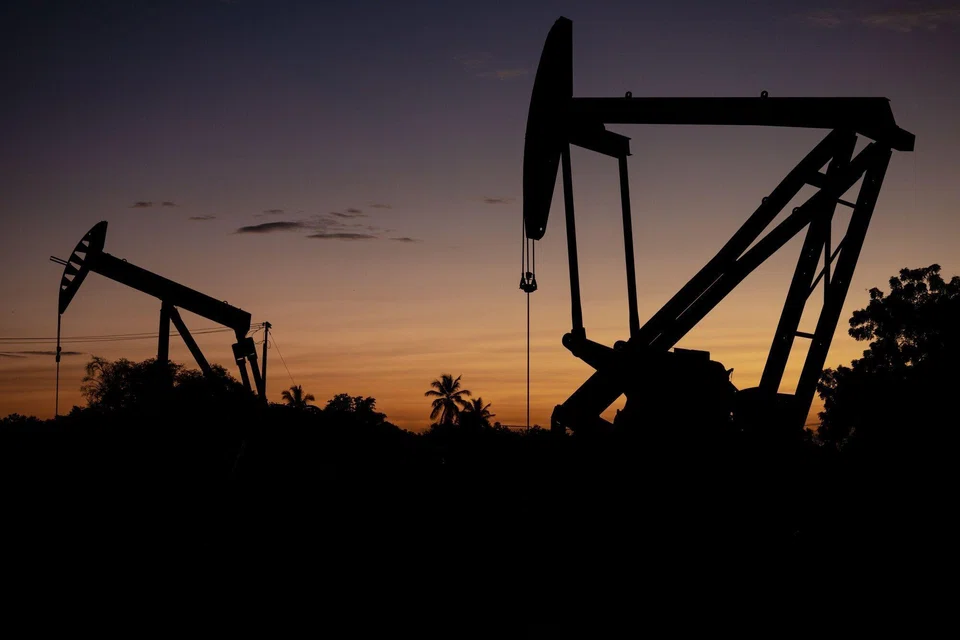
[LONDON] Oil prices held near their lowest in more than two weeks on Wednesday (Sep 23) as improving Gulf crude supplies weighed on the market, though diesel refining margins hit a record high on potential restrictions to US diesel exports.
Brent crude futures rose US$1.33 or 1.34 per cent to US$100.58 a barrel by 1303 GMT while West Texas Intermediate (WTI) futures gained US$0.65 or 0.72 per cent to US$91.17.
The Brent benchmark hit its lowest since Sep 8 in the previous session at US$97.36. WTI touched its lowest since Sep 1 earlier on Wednesday.
Meanwhile, European low-sulphur gasoil’s premium to Brent crude futures hit a record of about US$95 a barrel after US President Donald Trump said he backed the idea of a diesel export ban to lower prices that have hit record highs owing to a global supply shortage.
Europe has been highly dependent on diesel and jet fuel imports from the US since the US-Israeli war on Iran has disrupted Middle East supplies.
“Brent is being underpinned by surging gasoil prices amid renewed worries the US may introduce a diesel export ban,” said Ole Hansen, head of commodity strategy at Saxo Bank.
Analysts and market watchers, however, have warned that such a measure would do little to ease high energy prices and could worsen supply and economic disruptions around the globe.
Oil prices have come under pressure this week on rising Gulf supplies and hopes for diplomatic talks to halt hostilities in the Middle East.
Trump warned on Tuesday that he could “annihilate” Iran, but he also said his envoys had held productive talks with mediators of Iran to end the war.

“The only news that is worth focusing on from a lower price point is the reopening of the East-West Saudi pipeline,” Hansen added.
Saudi Arabia resumed operations on its East-West pipeline to the Red Sea on Tuesday, said three sources briefed on the matter.
Drone attacks, which Saudi Arabia has blamed on Iraqi militia, forced the kingdom to shut the pipeline on Sep 11, halting crude loadings at Yanbu port.
Saudi Arabia on Tuesday offered more barrels to Asian refiners for lifting from locations outside of the Strait of Hormuz.
Iraq, too, is increasing oil exports, its oil minister said on Tuesday. The country is exporting more than three million barrels per day, he said, and expects to boost exports via Turkey to more than 600,000 barrels per day.
Meanwhile, further supporting the improved supply outlook, a senior Iranian official told Reuters that the Strait of Hormuz could be reopened within seven days if the US eases military pressure and lifts its blockade on Iranian ports.
Adding to downward pressure on oil prices, industry data showed that US crude inventories rose by 1.8 million barrels in the week to Sep 18. Analysts polled by Reuters had expected a decline. REUTERS
Decoding Asia newsletter: your guide to navigating Asia in a new global order. Sign up here to get Decoding Asia newsletter. Delivered to your inbox. Free.
Share with us your feedback on BT's products and services