

Oil slips after Trump says US will assist ships stranded in Strait of Hormuz
Negotiations between the US and Iran continued over the weekend with both sides assessing responses from each other

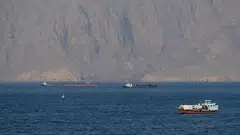
[SINGAPORE] Oil prices eased on Monday (May 4) after US President Donald Trump said the US would begin an effort to free up ships stranded in the Strait of Hormuz, but the lack of a US-Iran peace deal kept prices supported above US$100.
Brent crude futures fell US$0.06, or 0.1 per cent, to US$108.11 a barrel by 0400 GMT after settling down US$2.23 on Friday. US West Texas Intermediate was at US$101.50 a barrel, down US$0.44, or 0.4 per cent, following a US$3.13 loss on Friday.
“The broader market remains tightly supported by persistent supply disruptions and geopolitical uncertainty,” said Priyanka Sachdeva, analyst at Phillip Nova.
“Unless there is a clear and sustained resolution that restores normal flows through the Strait of Hormuz, oil prices are likely to remain elevated, with risks still tilted toward further upside.”
Trump said on Sunday that the US will guide ships safely out of the Strait of Hormuz, but oil prices stayed above US$100 a barrel, with no peace deal in sight and shipping through the strategic waterway still constrained.
Trump has made securing a nuclear deal with Teheran a priority, but Iran wants to defer nuclear talks until after the war and first lift rival blockades on Gulf shipping.


On Sunday, the Organization of the Petroleum Exporting Countries and their allies, or Opec+, said they will raise oil output targets by 188,000 barrels per day in June for seven members, the third consecutive monthly rise.
The increase is the same as that agreed for May minus the share of the United Arab Emirates, which left Opec on May 1. However, the higher volume will remain largely on paper as long as the Iran war continues to disrupt Gulf oil supplies through the Strait of Hormuz. REUTERS
Decoding Asia newsletter: your guide to navigating Asia in a new global order. Sign up here to get Decoding Asia newsletter. Delivered to your inbox. Free.
Share with us your feedback on BT's products and services
TRENDING NOW

DBS, OCBC, UOB rout lops billions off STI as inflation, rate concerns spook investors

Grab CEO’s wife Chloe Tong on life with Anthony Tan and finding her purpose

OCBC sheds S$8 billion in value as shares close nearly 6% down; analysts cautious on banks

Deal between tycoon friends sparks scrutiny of Philippine power sector

