

Opec+ agrees on symbolic quota hike as UAE touts oil investment
But the actual increase depends on the Strait of Hormuz reopening and shuttered production being restored
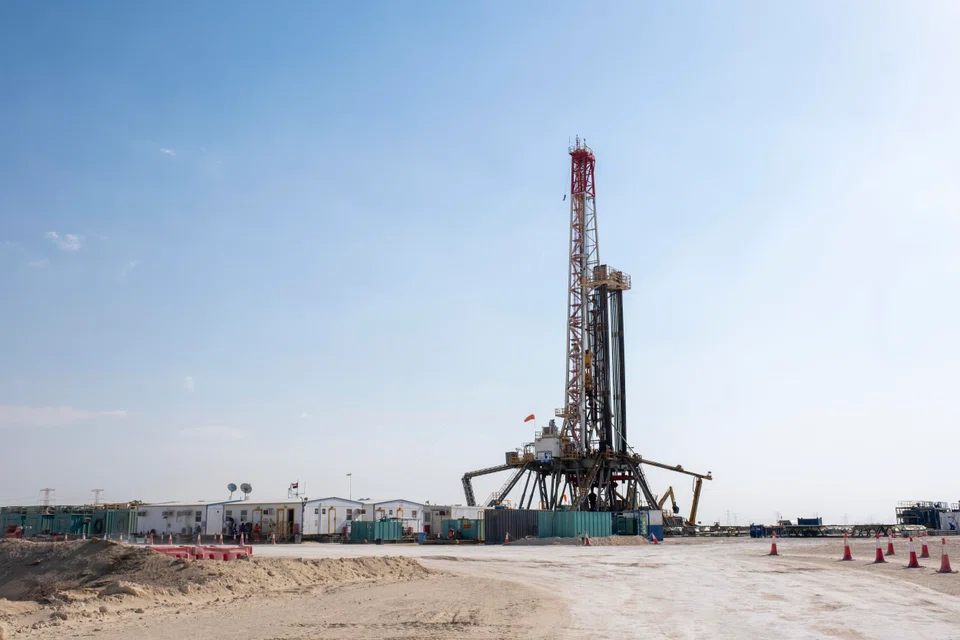
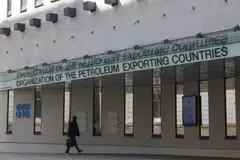
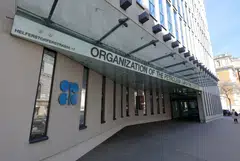
[LONDON] Major members of the Organization of the Petroleum Exporting Countries and their allies (Opec+) have agreed on a modest and symbolic increase in their June production quotas, in a business-as-usual message following the United Arab Emirates’ (UAE) surprise exit from the group.
Abu Dhabi, meanwhile, touted its own growth plans.
Seven countries led by Saudi Arabia and Russia will add 188,000 barrels a day next month under the agreement, which was finalised over a video conference on Sunday (May 3), Opec said in a statement.
Delegates had expected a small increase before the UAE exit, though the actual restoration of those barrels will depend on the Strait of Hormuz reopening and shuttered production being restored.
At the same time, the UAE reminded the world of its ambitions to boost production, a sticking point in its participation in Opec that goes back years.
The country’s flagship oil company, Adnoc, said that it plans to accelerate a growth plan involving 200 billion dirham (S$69.4 billion) in project awards spanning upstream and downstream operations. The expenditure is part of a bigger programme that was announced earlier.
The UAE’s departure – announced on Apr 28 and formalised on May 1 – blindsided other members of Opec+ and could further erode the coalition’s ability to influence oil prices, which had already been waning because of years of output hikes from rival suppliers including US shale.
Opec’s statement made no mention of the UAE.
As it adjusts to the surprise loss of its decades-long member, Opec+ is pressing on with restoring output halted several years ago, a process which had been in progress before the outbreak of war.
“Opec+ is playing it cool,” said Jorge Leon, head of geopolitical analysis at Rystad Energy who previously worked at the Opec Secretariat.
“By sticking to the same production path – just minus the UAE – it’s acting as if nothing has happened, deliberately downplaying internal fractures and projecting stability.”
A largely symbolic move
Like their scheduled hike for May, Opec’s move is largely symbolic because member nations in the Middle East will be unable to implement the increase unless the Strait of Hormuz – blocked by the US-Israeli conflict with Iran – is reopened and exports from the Persian Gulf resume.
The UAE’s departure was the culmination of years of tensions between Abu Dhabi and Opec’s de facto leader, Saudi Arabia, over both oil policy and competition for regional influence.
The UAE said last week that the Iran war created an opportunity for it to exit without significantly adding to market volatility.
While the departure has no immediate impact on near-term oil supply, it will mean that the UAE can ramp up supply as quickly as it chooses once the waterway reopens, unfettered by Opec quotas, potentially setting the stage for future price wars.
Opec+ will next meet on Jun 7. REUTERS
Decoding Asia newsletter: your guide to navigating Asia in a new global order. Sign up here to get Decoding Asia newsletter. Delivered to your inbox. Free.
Share with us your feedback on BT's products and services
TRENDING NOW

LTA proposes combining car COE categories, adding rebate-surcharge system

StarHub to acquire MyRepublic’s mobile business amid ongoing telco consolidation

DBS, OCBC, UOB rout lops billions off STI as inflation, rate concerns spook investors

Grab CEO’s wife Chloe Tong on life with Anthony Tan and finding her purpose

